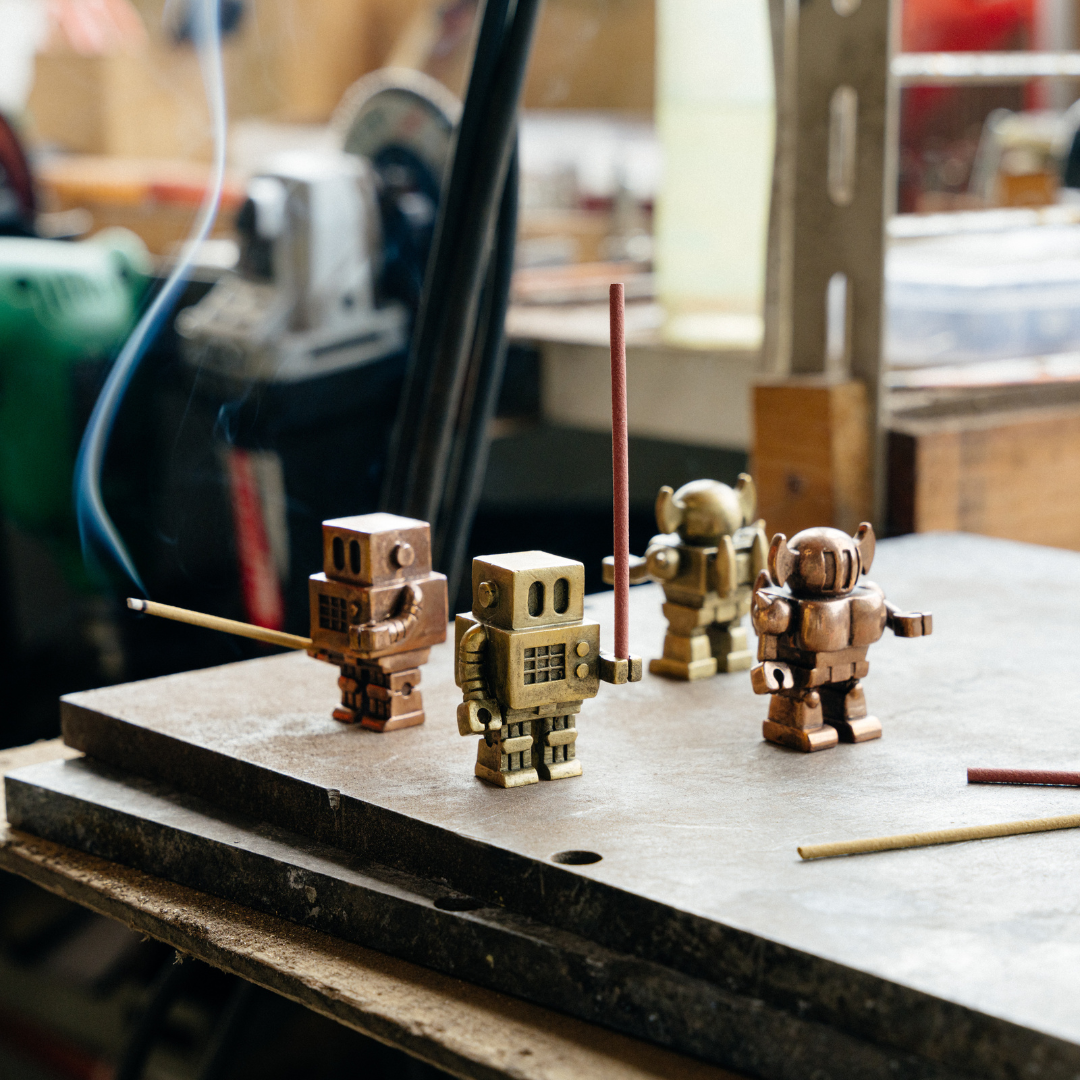
Takaoka Copperware
Toyama

Takaoka Copperware is a cast metal craft produced in Takaoka City, Toyama Prefecture, and was designated Japan's first "National Traditional Craft" in 1975. Its history dates back to the early Edo period, with its techniques passed down for over 400 years. Its most distinctive feature is the combination of advanced casting, metalworking, and coloring techniques.
In addition to precision casting using sand molds and wax molds (lost-wax), metalworking and inlay techniques derived from sword fittings are applied. Furthermore, a unique coloring process utilizing chemicals and natural materials brings out the inherent colors of the metal, creating a one-of-a-kind appearance.
Takaoka Copperware is also renowned for its decorative appeal, with metalworking and coloring being its most representative techniques. Metalworking involves artisans directly carving designs onto the surface of the copperware after casting, creating delicate patterns and three-dimensional designs.
Coloring, on the other hand, is also known as the "craft of appreciating rust," as chemicals and heat treatments are applied to the surface of copper and brass to bring out a wide range of hues, including verdigris, black, and golden brown.
Involving many specialized artisans in a division of labor from casting to finishing, Takaoka Copperware is produced in a wide range of forms, from decorative arts and everyday items to large outdoor bronze statues, and its technical expertise is highly acclaimed worldwide.
History and Techniques of Takaoka Copperware
Copper is considered the first metal used by humanity as a tool, with its history dating back to around 9000 BCE. In Japan, bronze bells and bronze mirrors have been made since the Yayoi period. Today, Takaoka City in Toyama Prefecture is Japan's largest copperware production area.
Takaoka Copperware originated in 1611 (Keicho 16). The lord of the Kaga domain, Maeda Toshinaga, invited seven metal casters to Takaoka to promote the town's industry. Initially, ironware such as pots and kettles was the main focus, but from the mid-Edo period onward, highly decorative bronze items such as Buddhist ritual implements, flower vessels, and tea utensils began to be produced in large quantities. During the Meiji era, it received high acclaim at the Paris Exposition Universelle and became known worldwide as an export.
Below are some of the production processes.【Casting】A mold is made based on a prototype (wooden or wax mold), and molten copper is poured in. After cooling, the mold is removed to reveal the cast piece. Methods such as sand casting and precision lost-wax casting are selected depending on the product.
【Metalworking and Inlay】This technique involves carving patterns into the surface of the copperware after casting using chisels and carving knives. Precision metalworking techniques once used for sword fittings are applied, creating delicate and deeply layered designs. Inlaying different metals is another distinctive feature.
【Coloring】This process involves applying chemicals or heat to the surface of copper or brass to bring out the metal's inherent colors. Hues unique to the material, such as verdigris, black, and golden brown, emerge and deepen with age. This is why it is also known as the "craft of appreciating rust."

Takaoka Daibutsu: Created by concentrating the manufacturing techniques of Takaoka Copperware, it stands as a symbol of the region's technical expertise.
> Related article: Uncovering the History, Techniques, and Appeal of Takaoka Copperware
Brands Offering Takaoka Copperware
Kisen, Kuon by KISEN / Takaoka City, Toyama Prefecture

We offer Kisen KISEN, a brand of refined vessels for everyday living, and Kuon by KISEN, a brand centered on healing and prayer, through collaborations with lacquer artists and the 400-year-old copperware manufacturer Yotsugawa Seisakusho in Kaneyamacho, Takaoka City, Toyama Prefecture.
Kisendo / Takaoka City, Toyama Prefecture

Kisendo is a brand operated by Yotsugawa Seisakusho, a long-established Takaoka Copperware manufacturer. The name "Kisen," the company's original trade name, embodies the desire to add joy and richness to everyday life. The brand develops products that blend tradition with modern aesthetics, including incense burners. It continues to offer fragrant moments that help calm the mind.
> Go to the Kisendo page
Shobido / Takaoka City, Toyama Prefecture

Building on years of experience and achievements, including pioneering the creation of catalogs and starting a local copperware wholesale business, this brand has long responded to customer needs. Together with affiliated sculptors, it continues to support Takaoka's traditional craftsmanship.
> Go to the Shobido page
Koizumi Manufacturing / Takaoka City, Toyama Prefecture

Founded in 1889, this manufacturer originally produced decorative arts cast in Europe that sparked the Japonisme movement. Today, it is gaining attention for developing acoustic craft products centered on the theme of "pleasant sound."
> Go to the Koizumi Manufacturing page
Momentum Factory Orii / Takaoka City, Toyama Prefecture

Since its founding in 1950, the company has inherited metal coloring techniques and given new expressions to a variety of metal materials. It developed traditional coloring techniques that could previously only be applied to cast pieces and succeeded in coloring thin copper sheets less than 1 mm thick. It continues to explore new possibilities, focusing on the colors drawn from copper and brass.
> Go to the Orii page
Nousaku / Takaoka City, Toyama Prefecture

Founded in Takaoka City, Toyama Prefecture, in 1916, this metal casting manufacturer combines traditional casting techniques with modern design to produce tableware, flower vessels, wind chimes, and more.
> Go to the Nousaku page
Nakamura Manufacturing / Takaoka City, Toyama Prefecture

This manufacturer specializes in precision lost-wax casting. Building on its expertise in fine metal casting, it pursues high-quality craftsmanship that bridges art and industry, producing complex, highly designed forms in small batches of diverse products. Its range extends from art pieces to consumer products.
> Go to the Nakamura Manufacturing page
Hannya Foundry / Takaoka City, Toyama Prefecture

This long-established metal foundry has long worked with copper and iron. Centered on tea utensils and iron kettles, its reliable craftsmanship—rooted in traditional techniques and a deep understanding of materials—continues to convey the presence of cast pieces that grow richer with use.
> Go to the Hannya Foundry page
Gingado / Takaoka City, Toyama Prefecture

Centered on Japanese modern style, this interior and lifestyle brand produces a range of items for everyday living, from practical goods to lucky charms and objects of prayer. By combining the sensibilities of designers with the skills of master artisans, it creates metal pieces with a warm and inviting presence.
> Go to the Gingado page
Visiting the Land Where Crafts Are Born
We visited foundries and coloring workshops in Takaoka. Discover the world of Takaoka craftsmanship, passed down by the people responsible for each stage, from casting and coloring to finishing.
Touring the Town of Takaoka Copperware →