
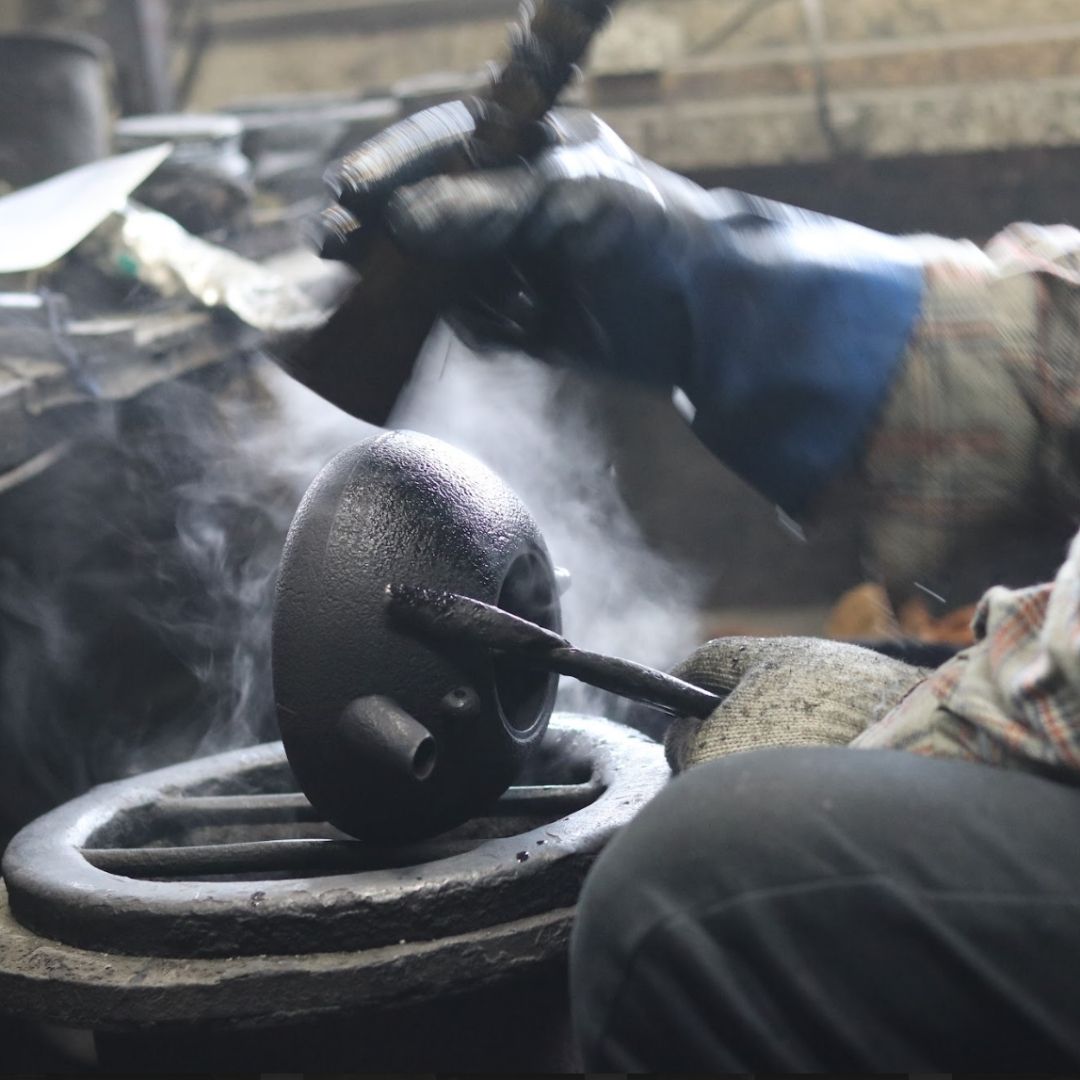
Nambu Ironware
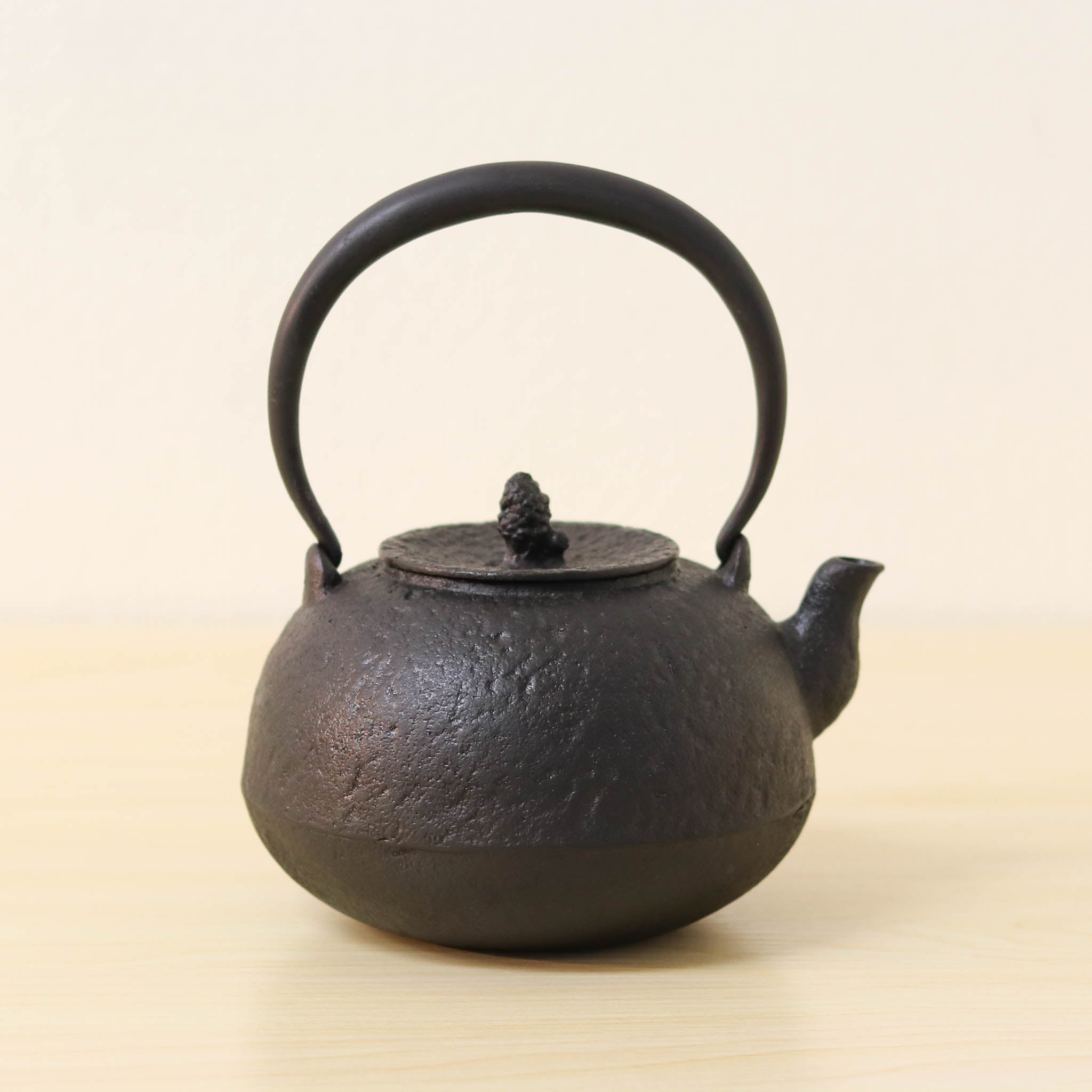
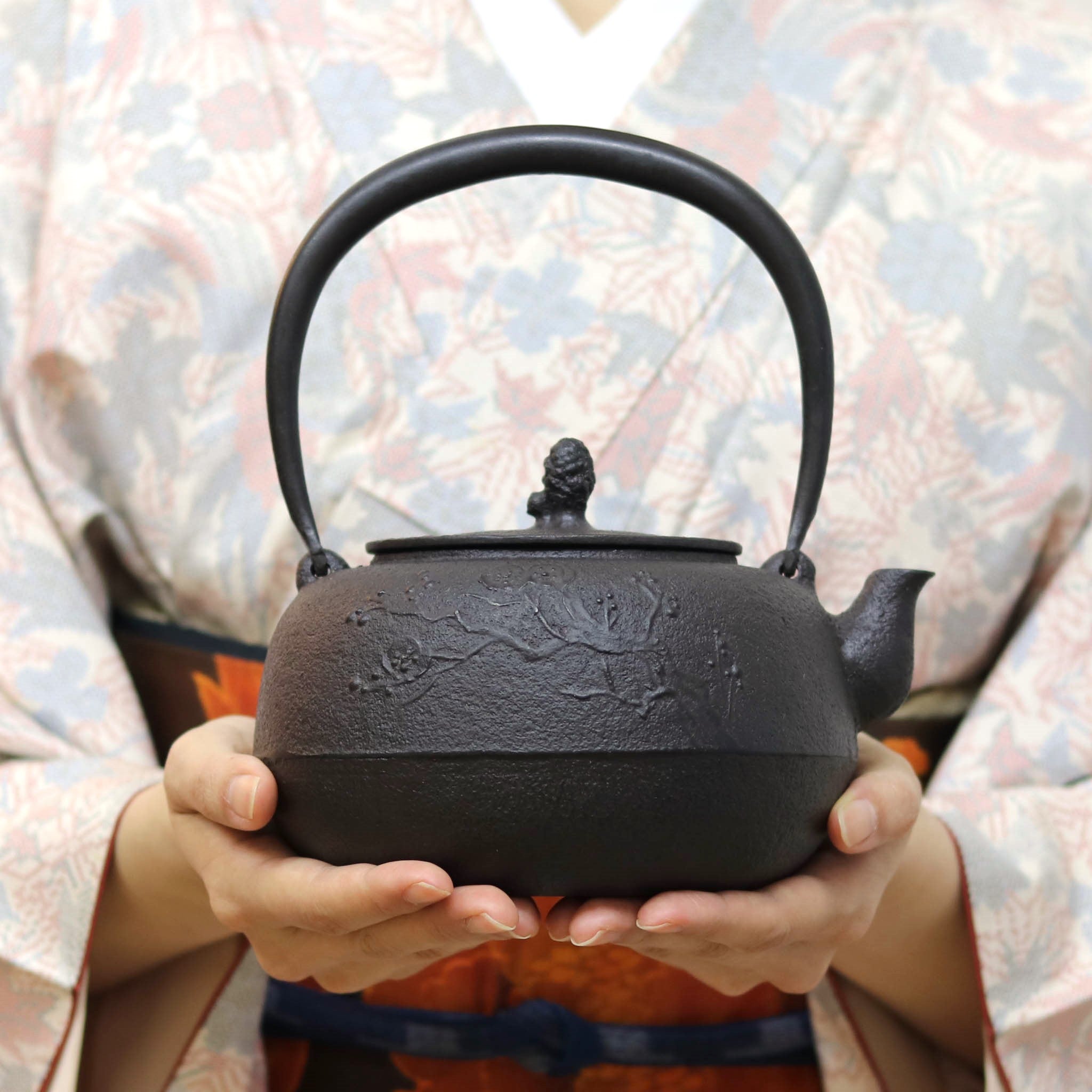
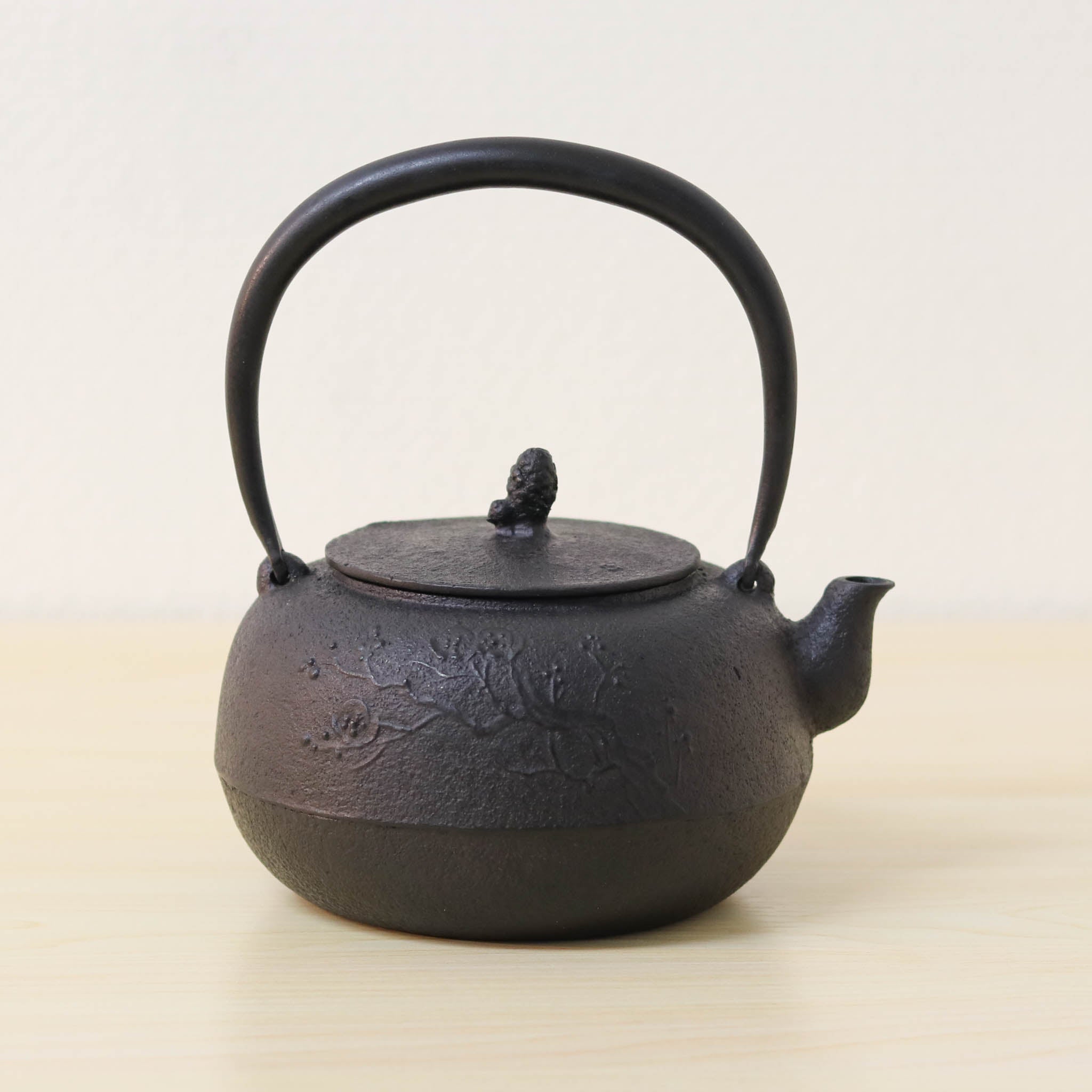
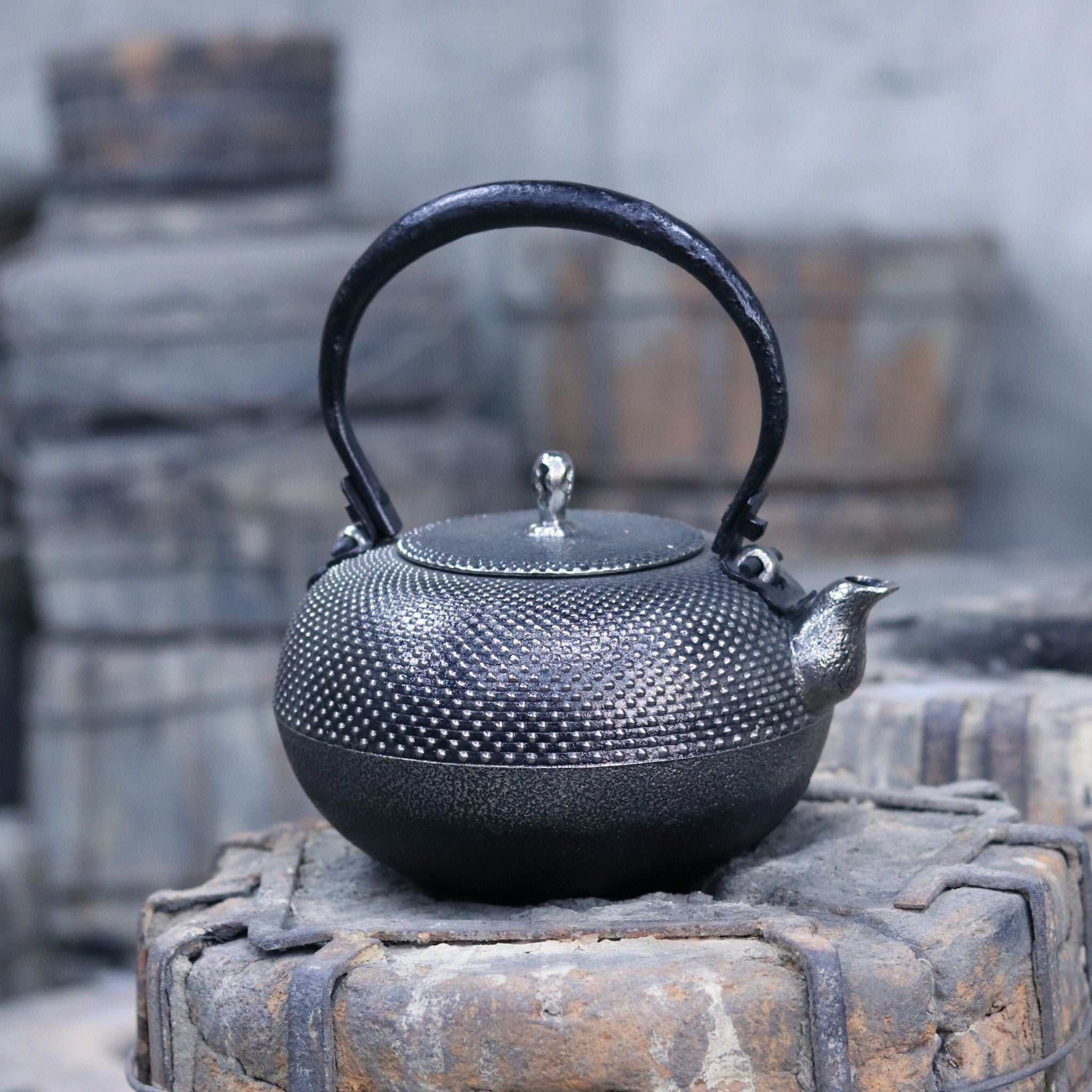
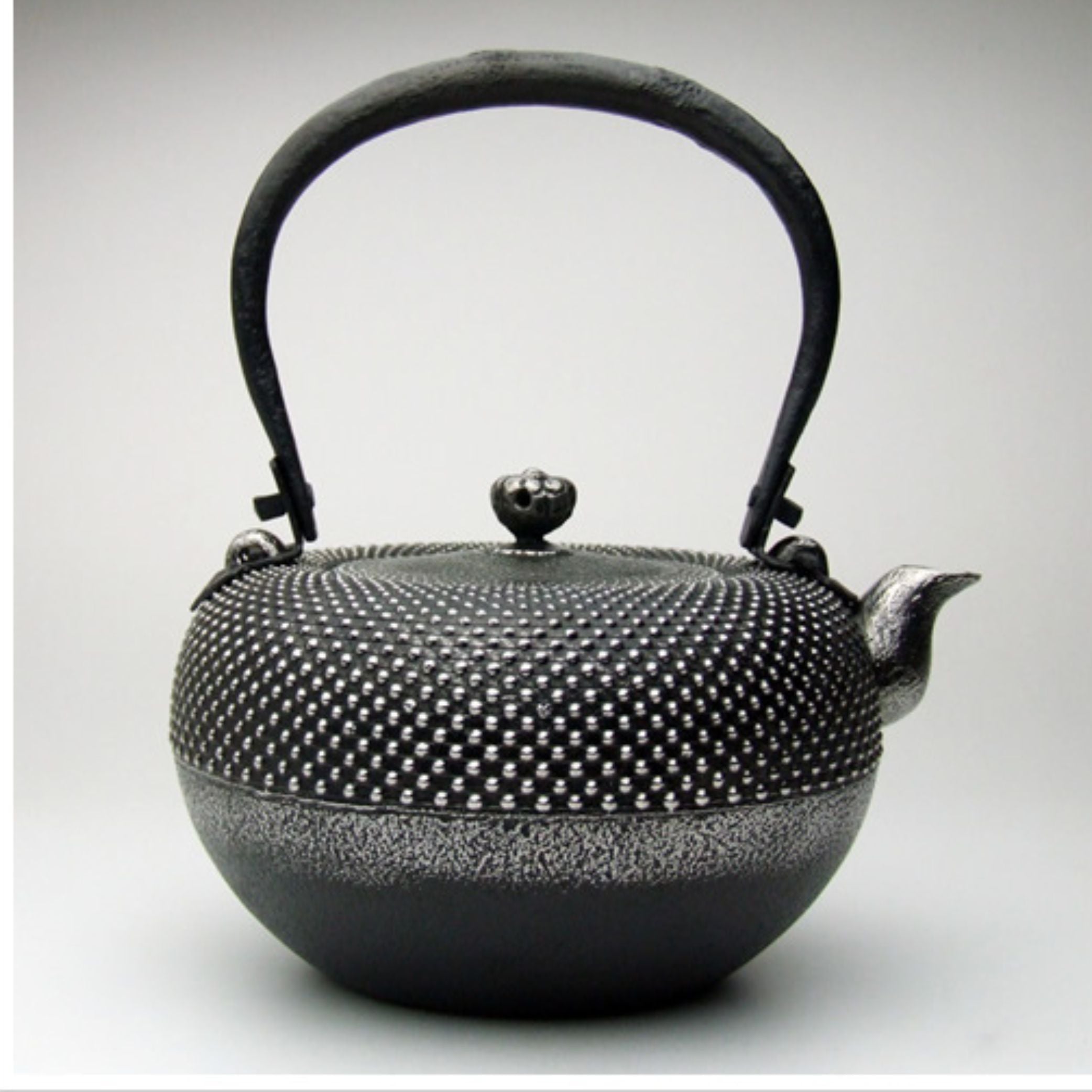
Nambu ironware has been loved and passed down by many for a variety of reasons, such as its long lifespan—lasting until your grandchildren’s generation—and its ability to replenish iron in the body. It is one of Japan’s leading traditional crafts.
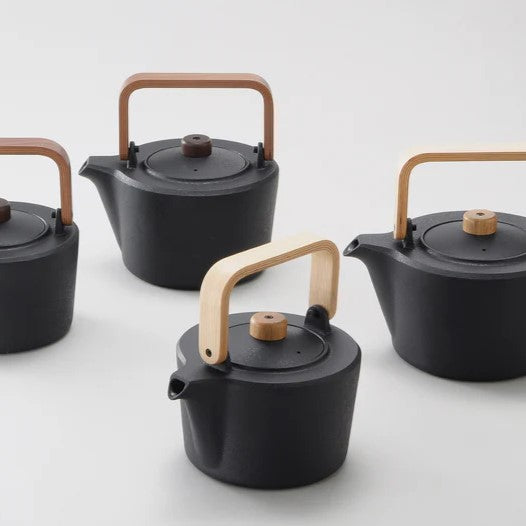
Yamagata Castings
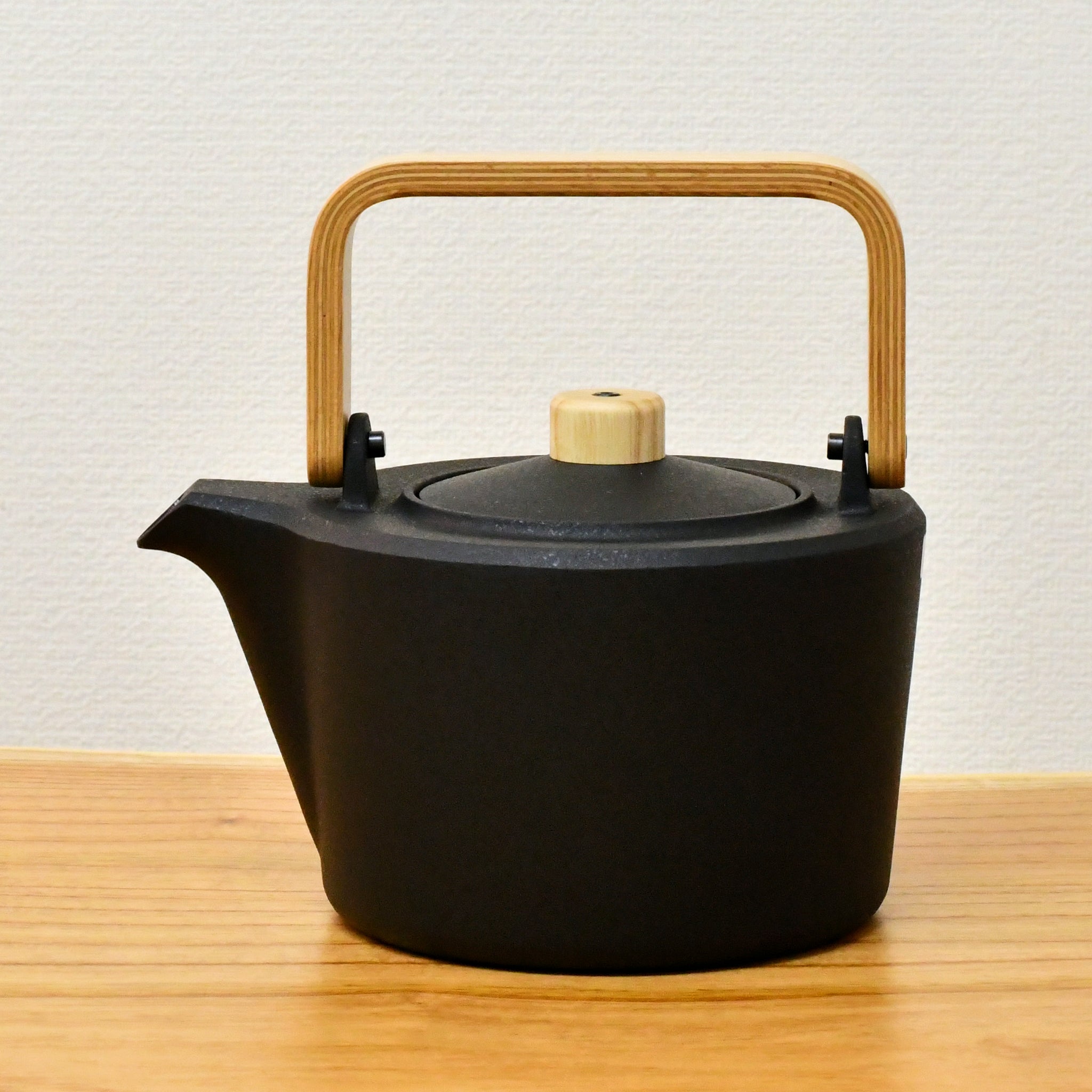
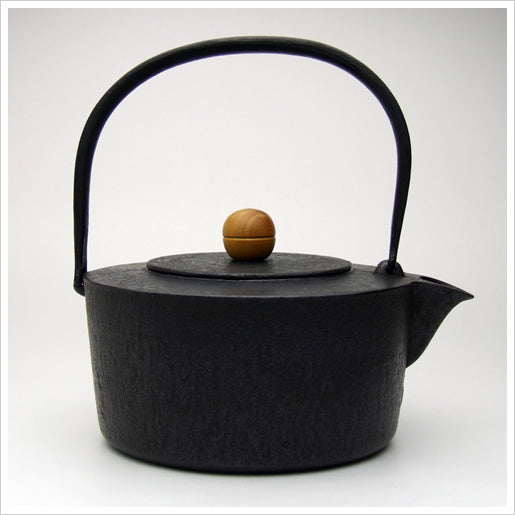
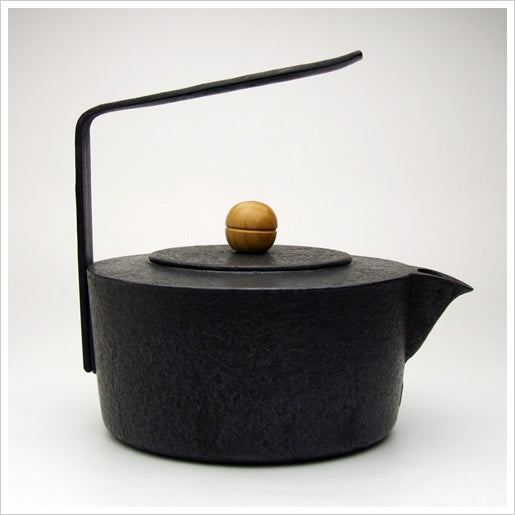
Alongside Nambu ironware, which is known worldwide as a traditional Japanese cast iron craft, Yamagata cast ironware is gaining popularity in Paris. Its defining characteristics are its exceptional functionality, designed for everyday use, and its simple, modern form—a look that can be described as the beauty of subtraction.

Takaoka Copperware
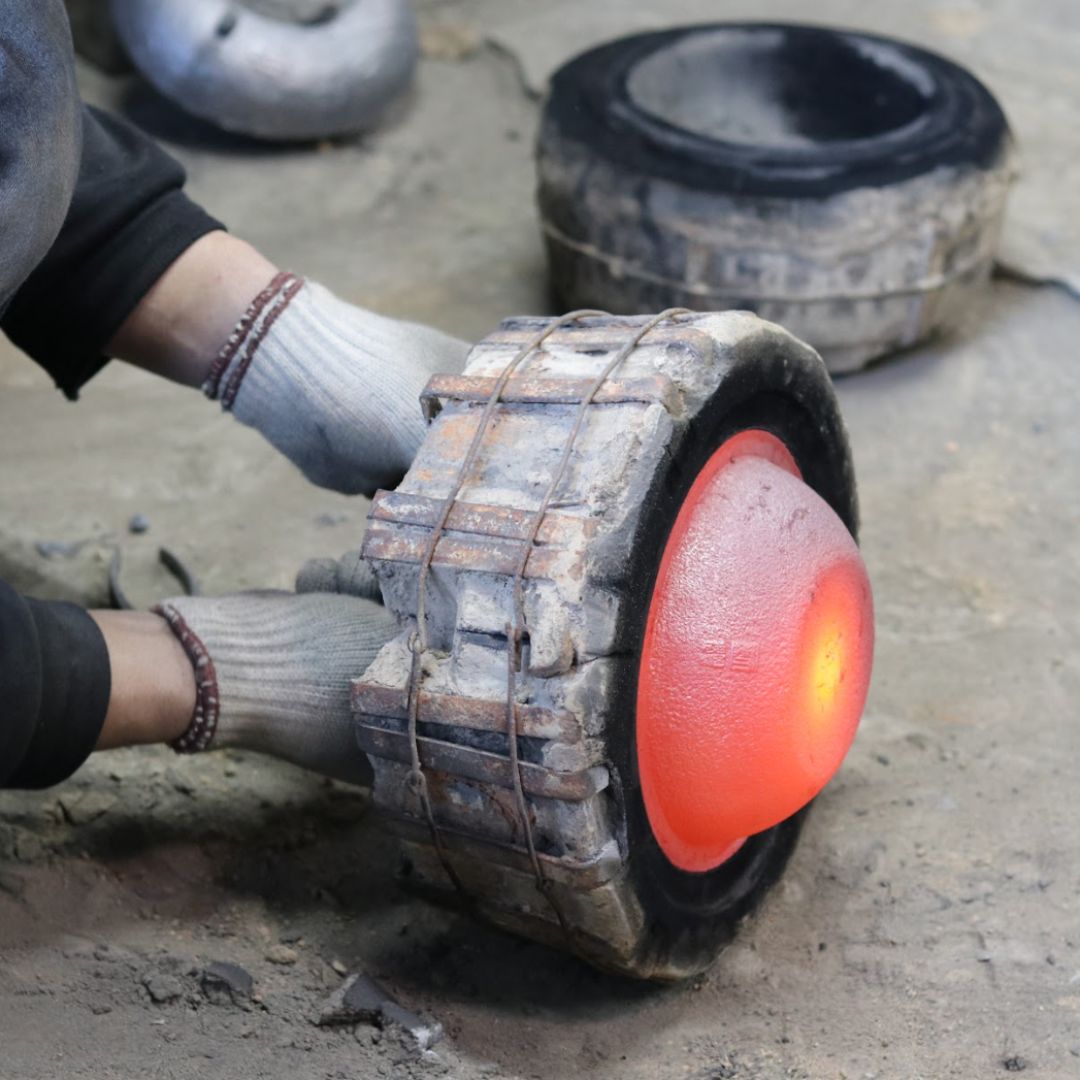
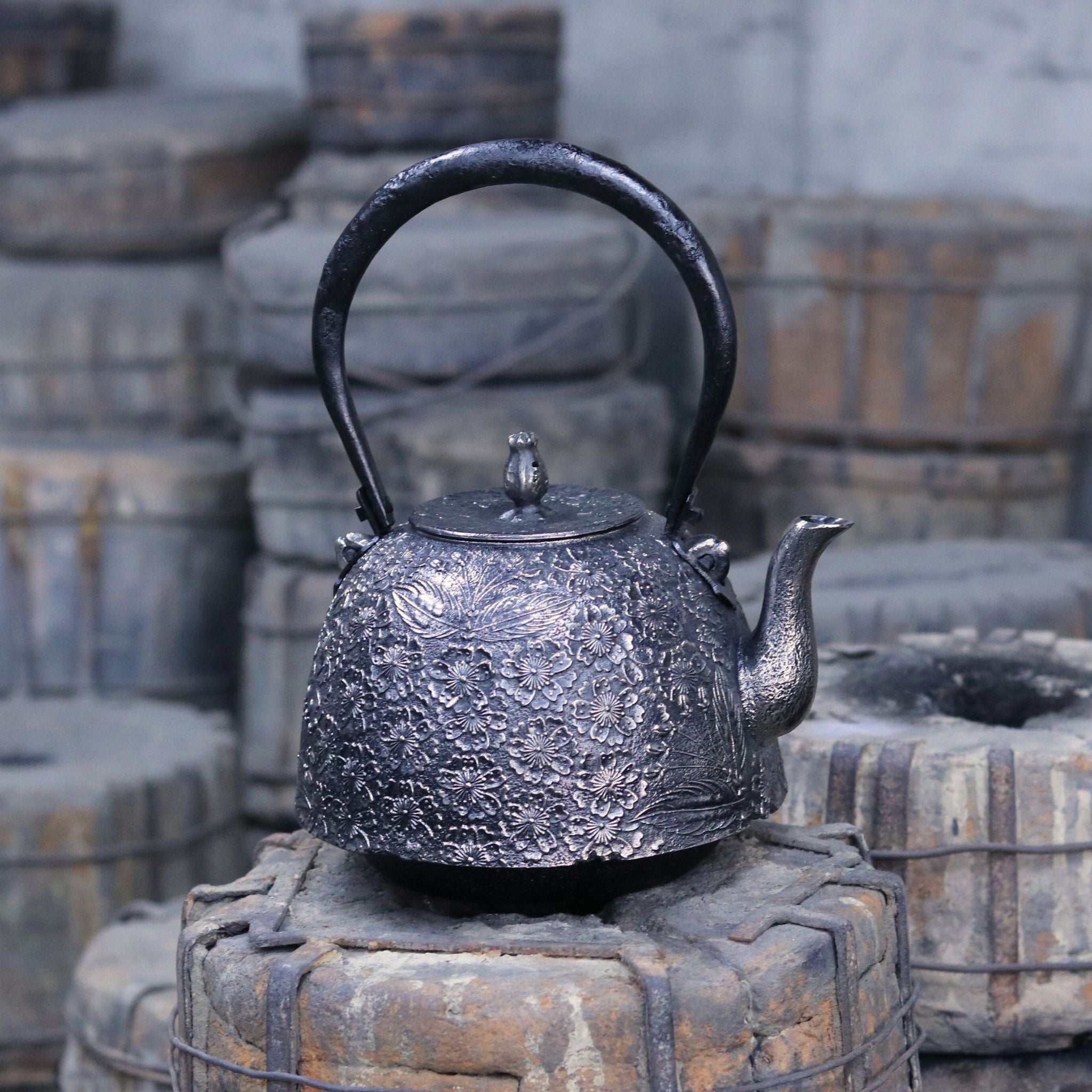
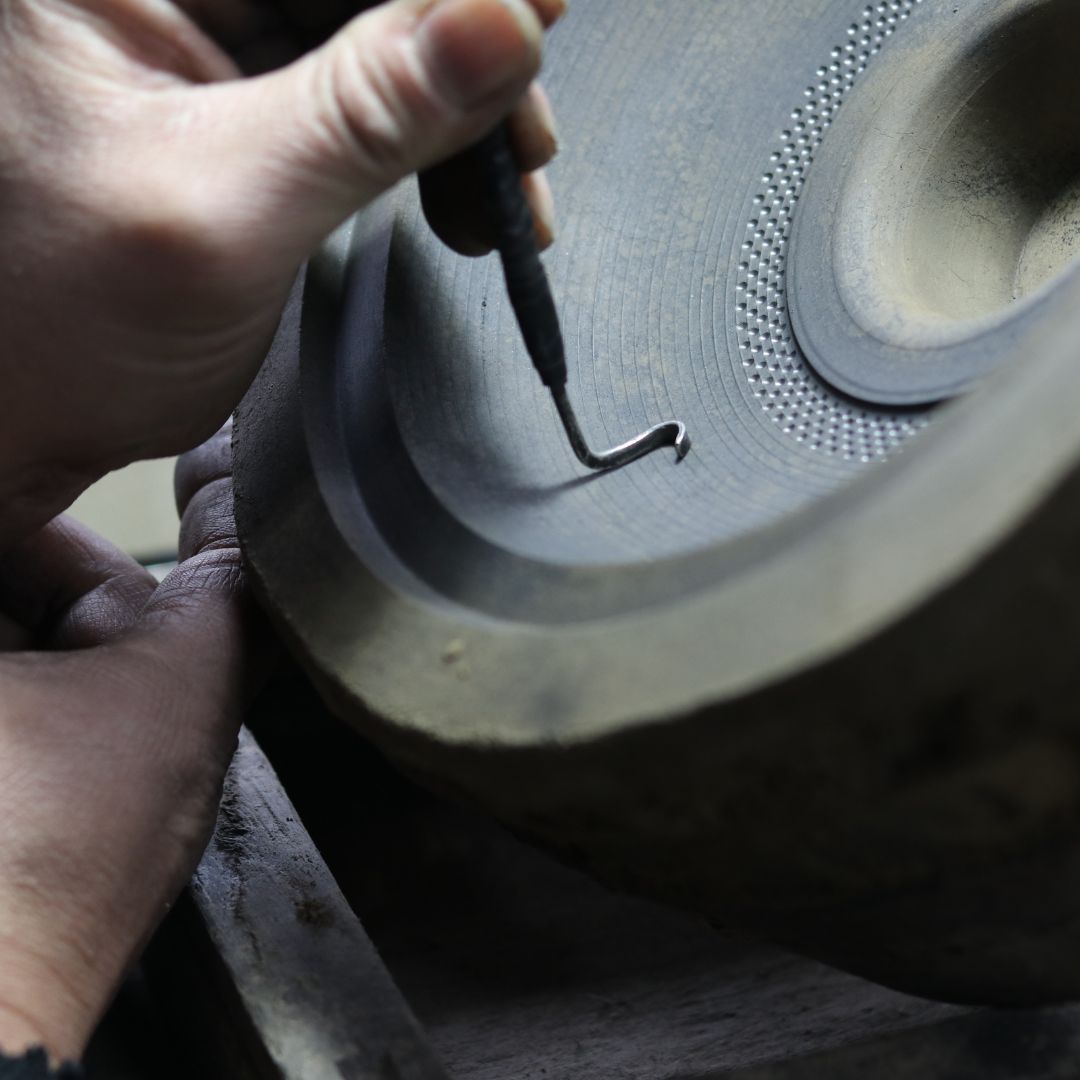
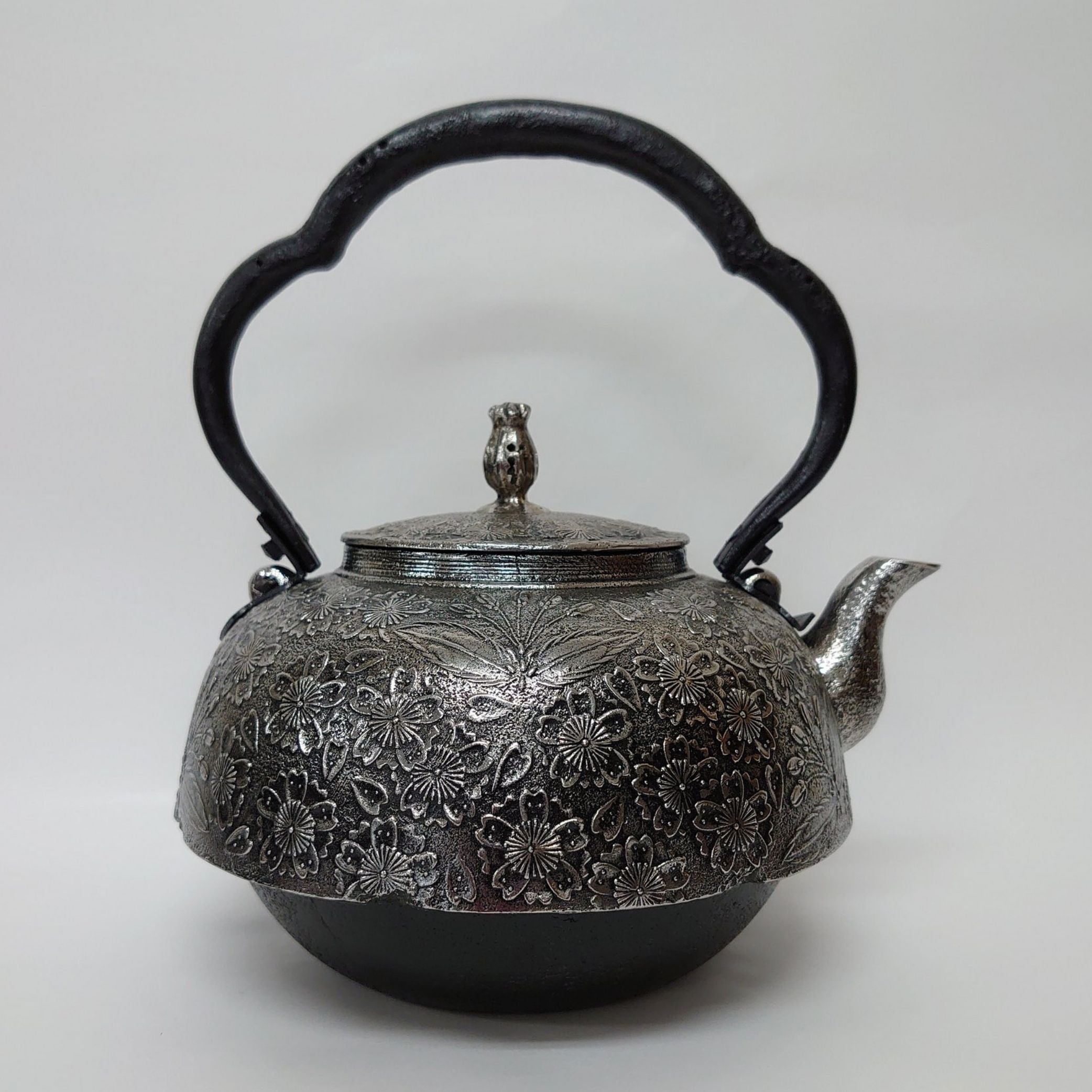
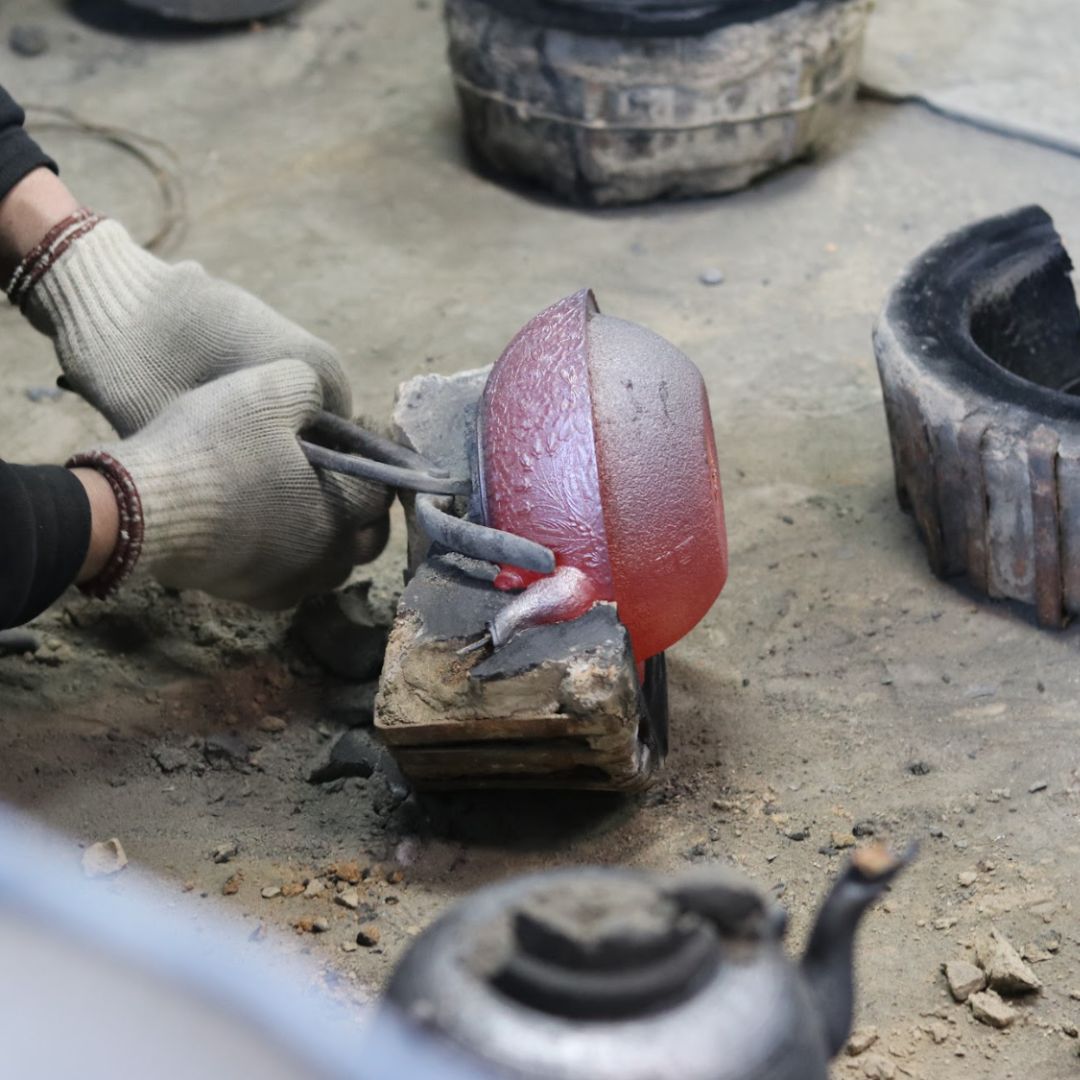
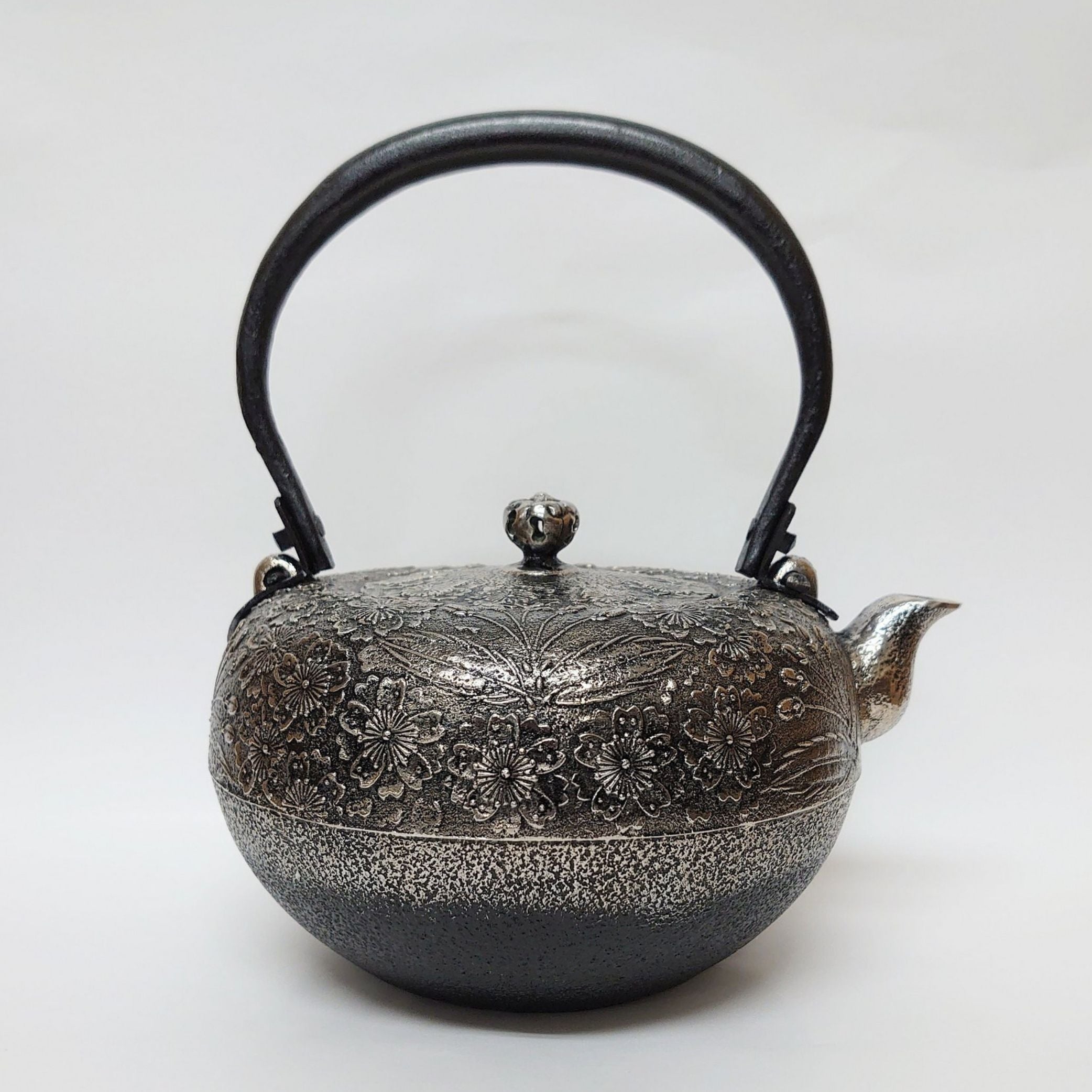
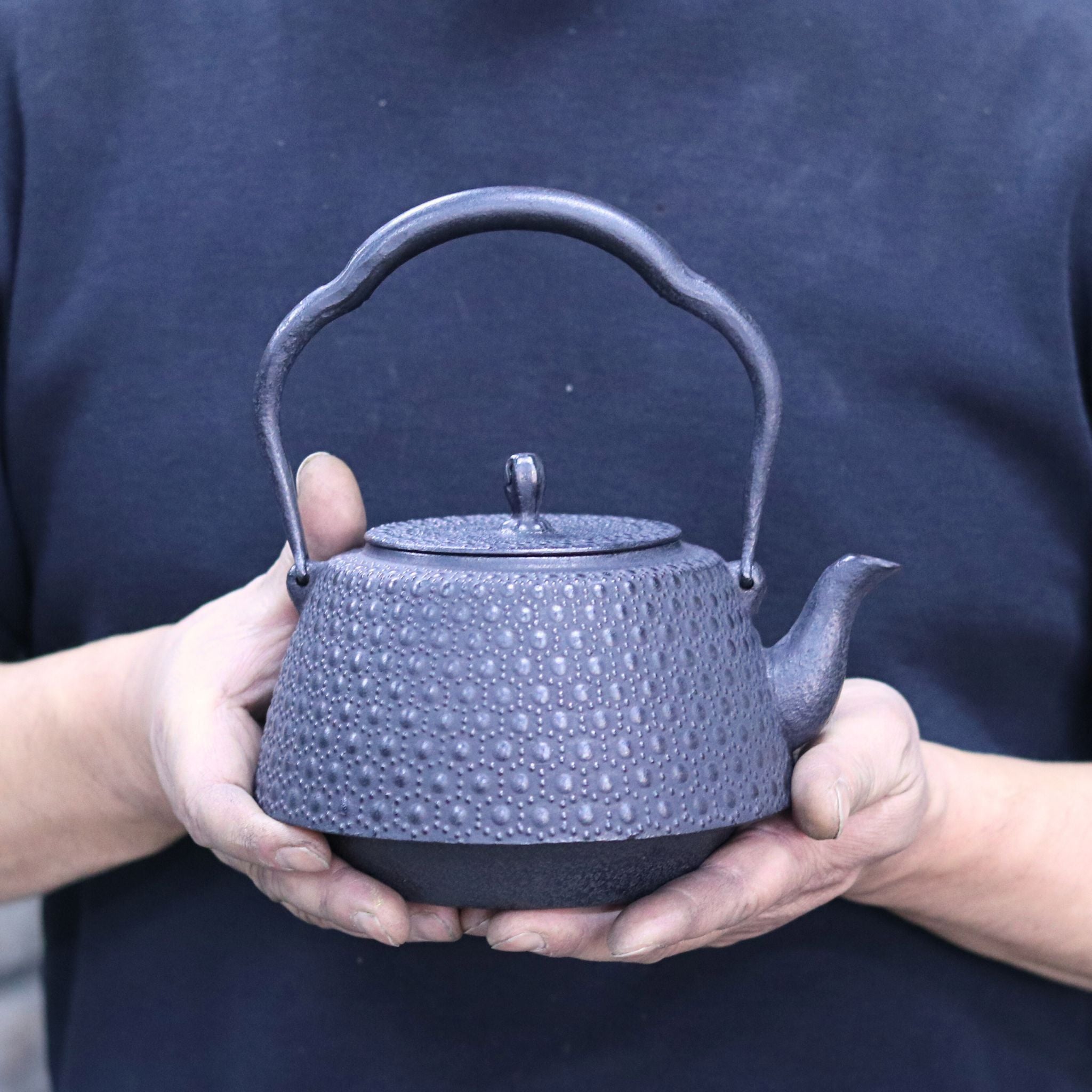
Crafted using "sōgata" casting, one of Japan's oldest casting techniques, this method ensures even heat distribution and exceptional durability, resulting in forms that withstand years of use. Because the patterns are carved directly into the mold, they create a distinctive, profound expression integrated with the vessel's form.
Recommended Brands for Nambu Ironware Tetsubin Teapots
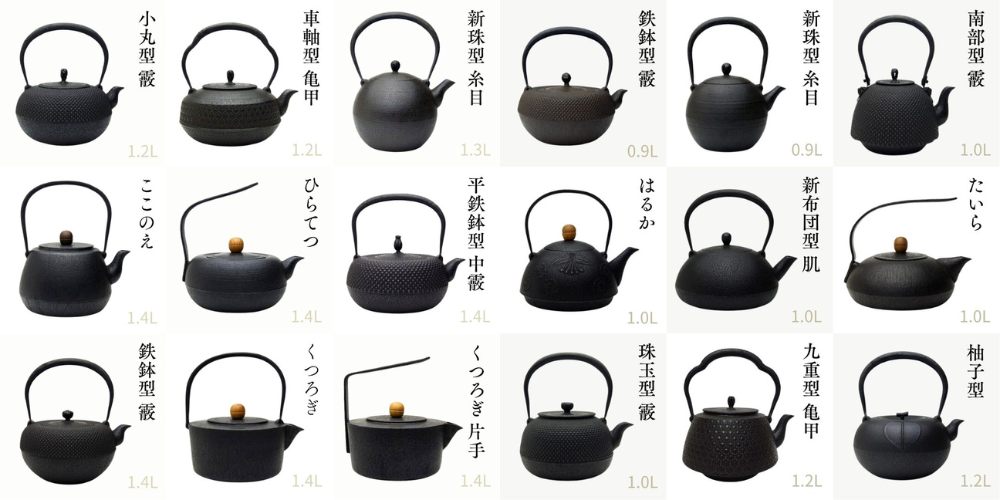
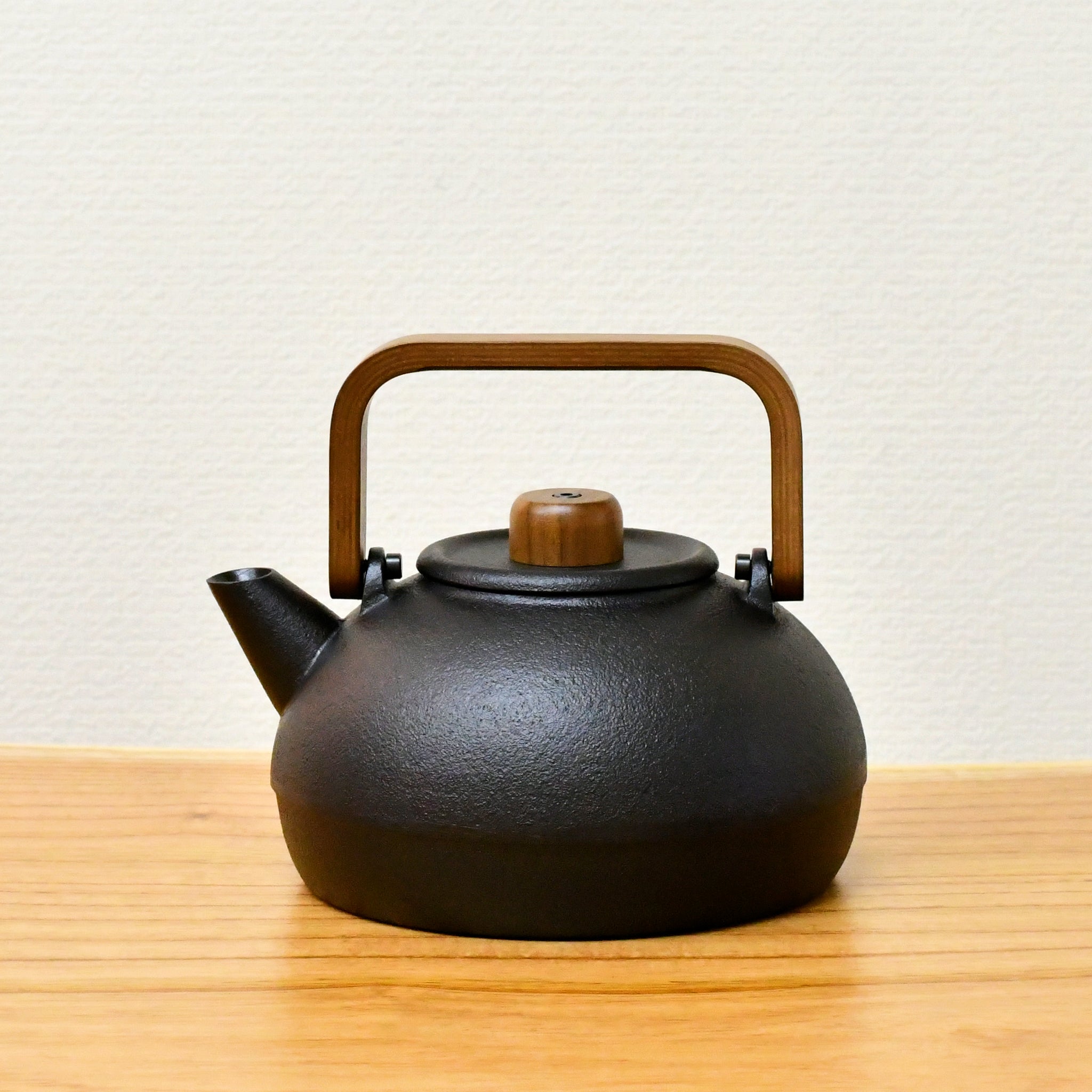
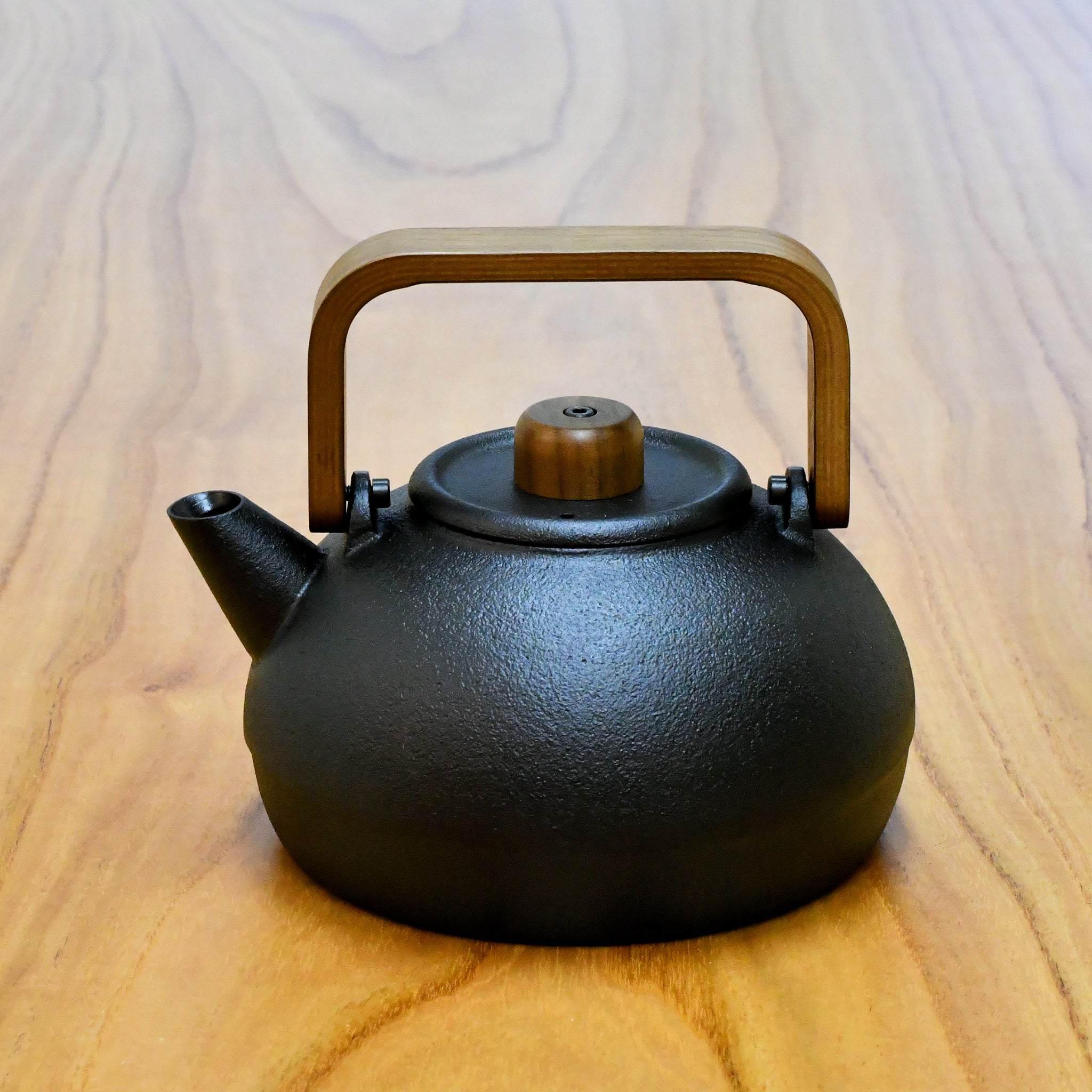
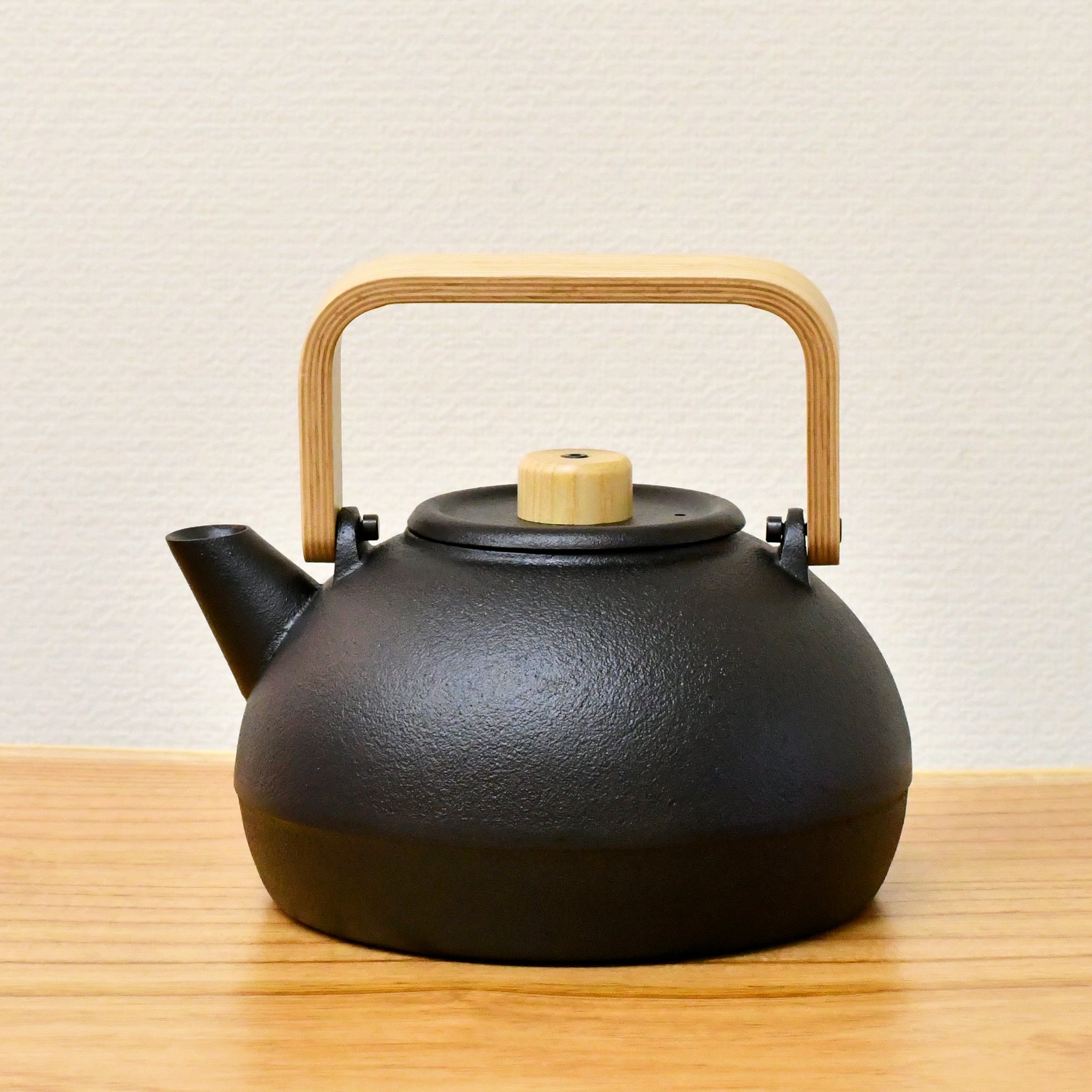
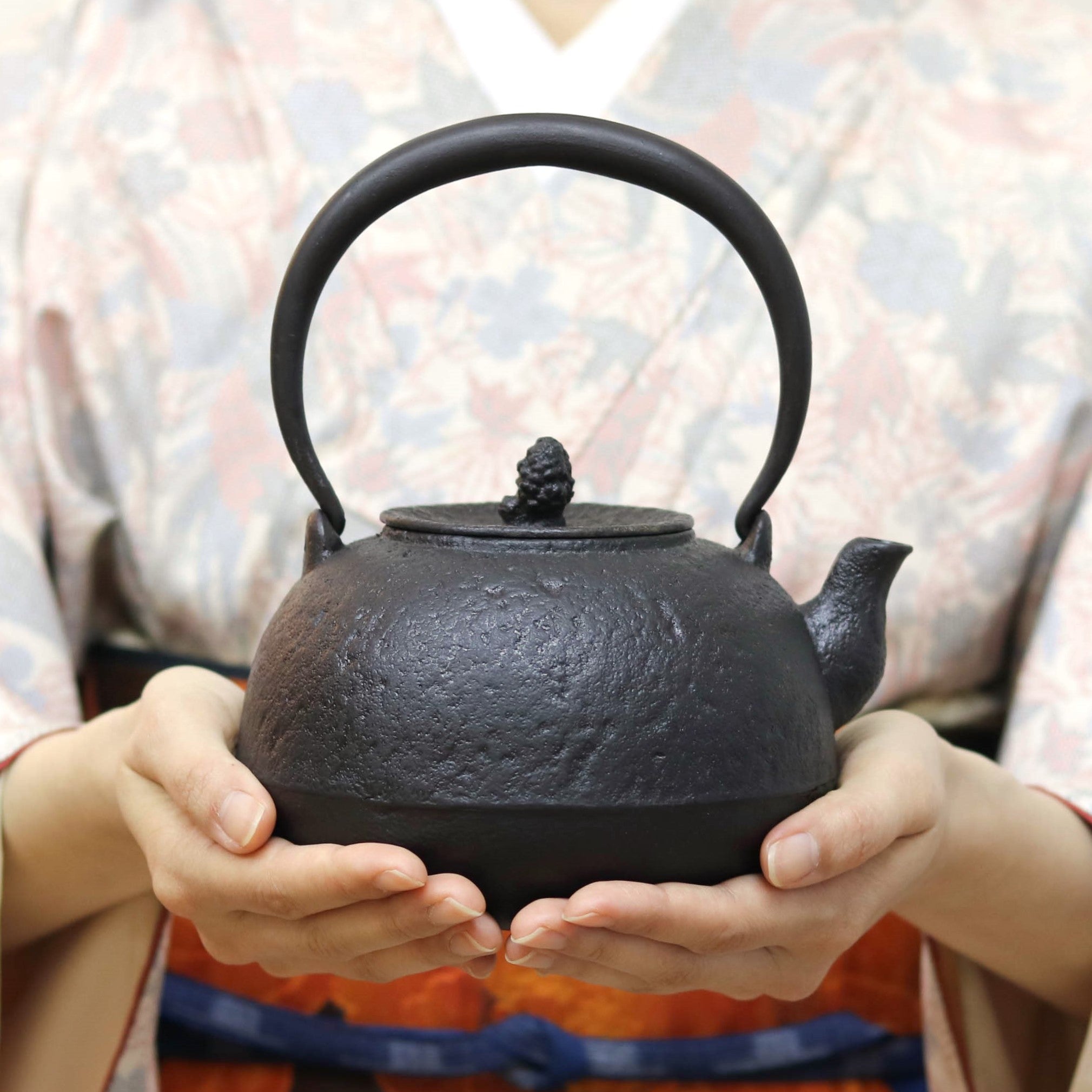
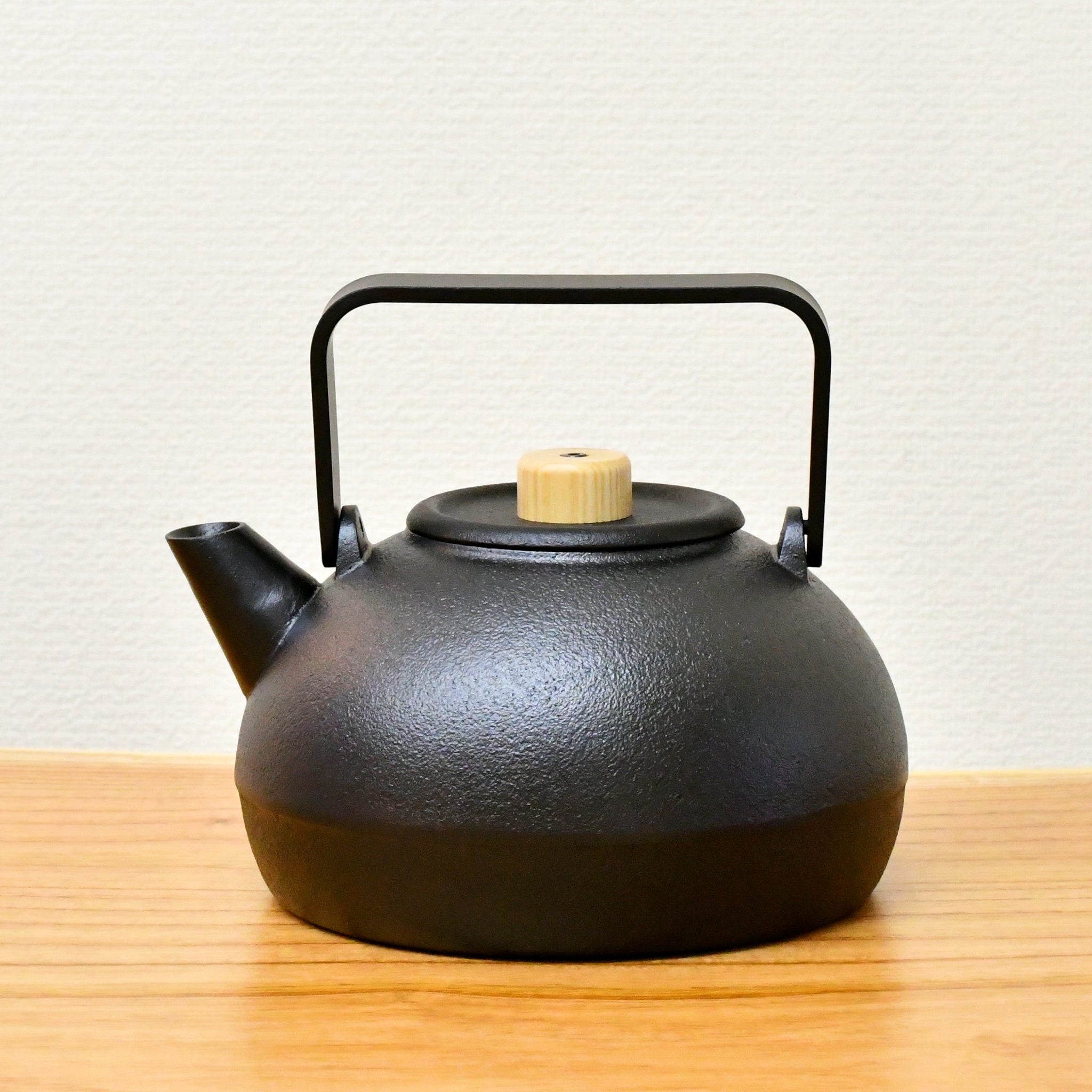
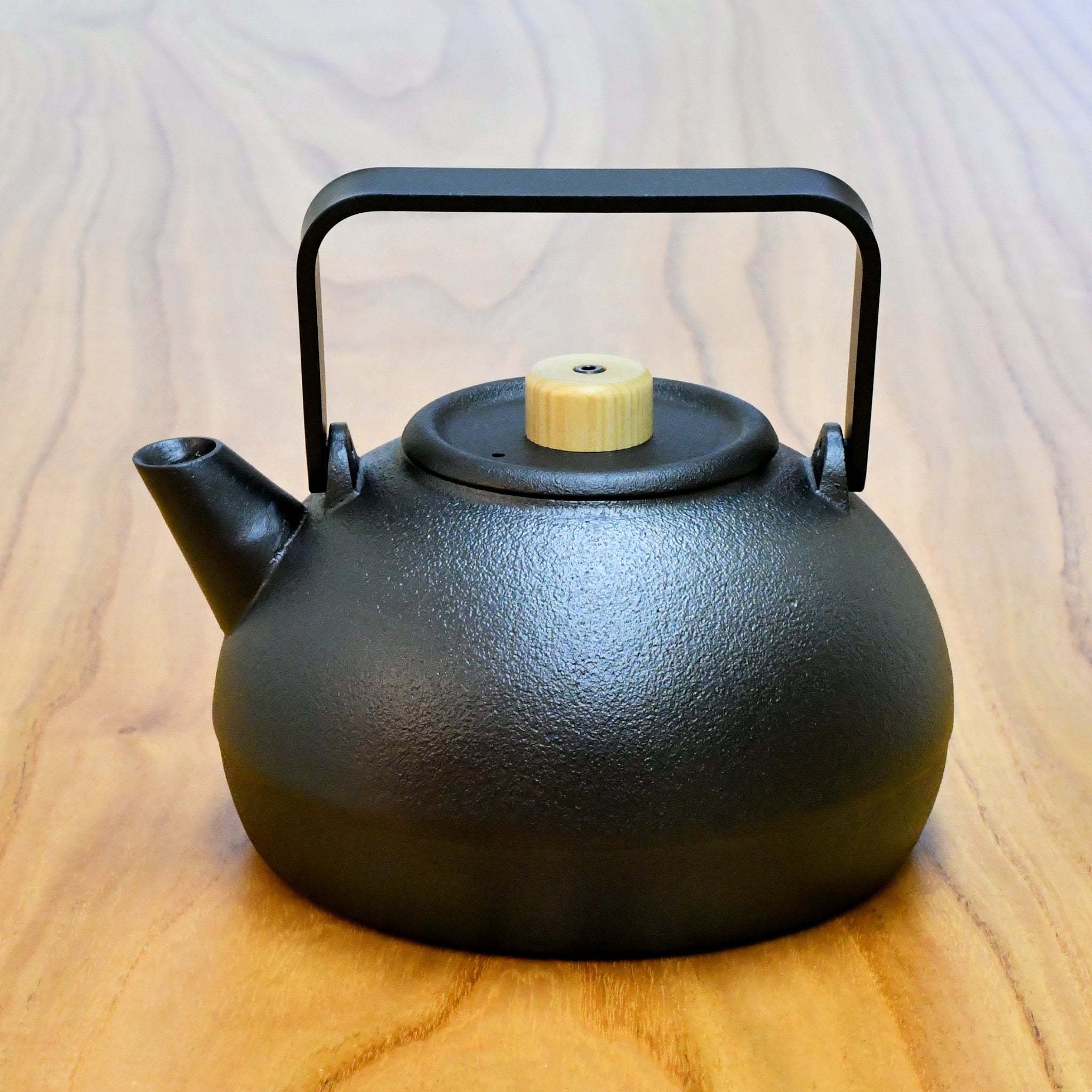
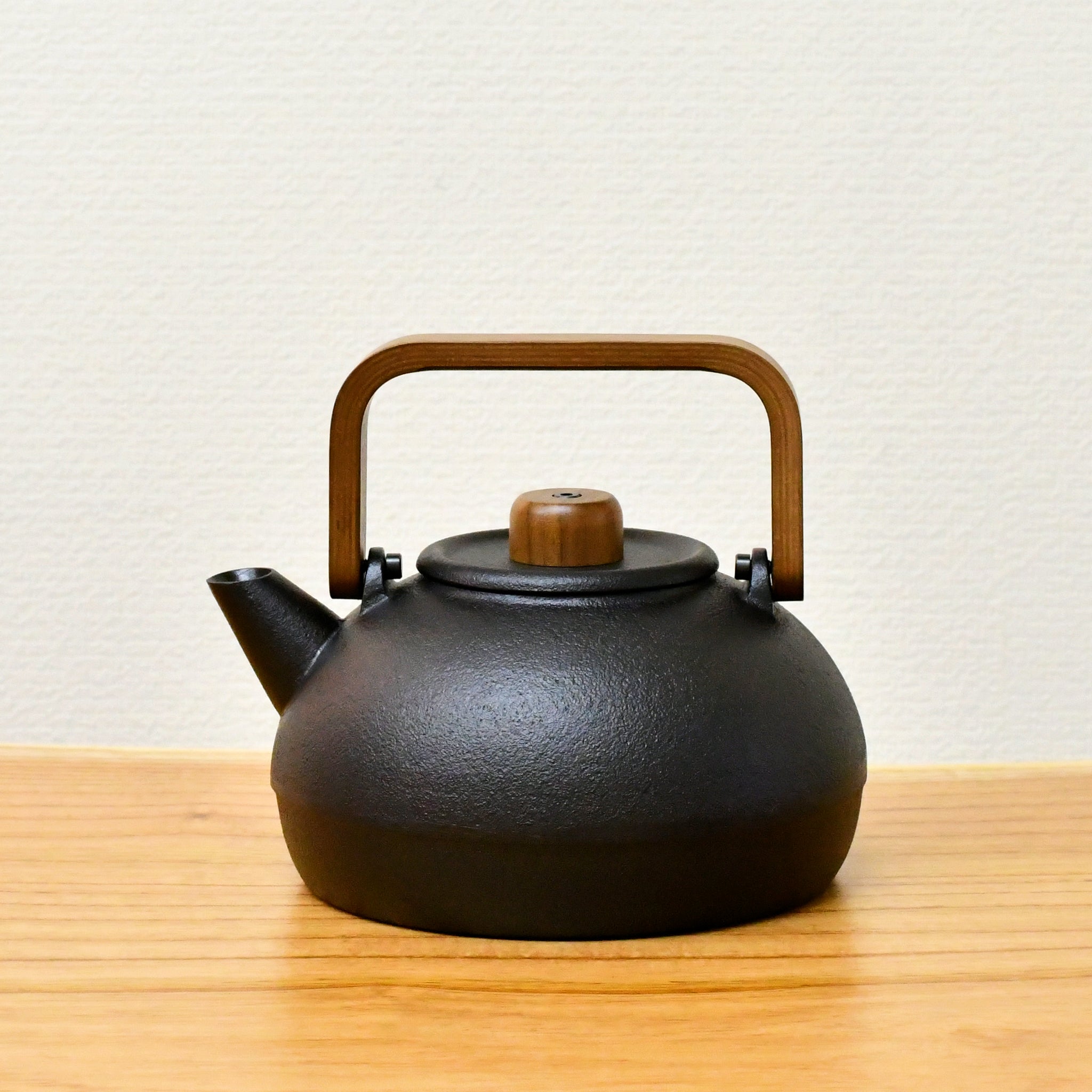
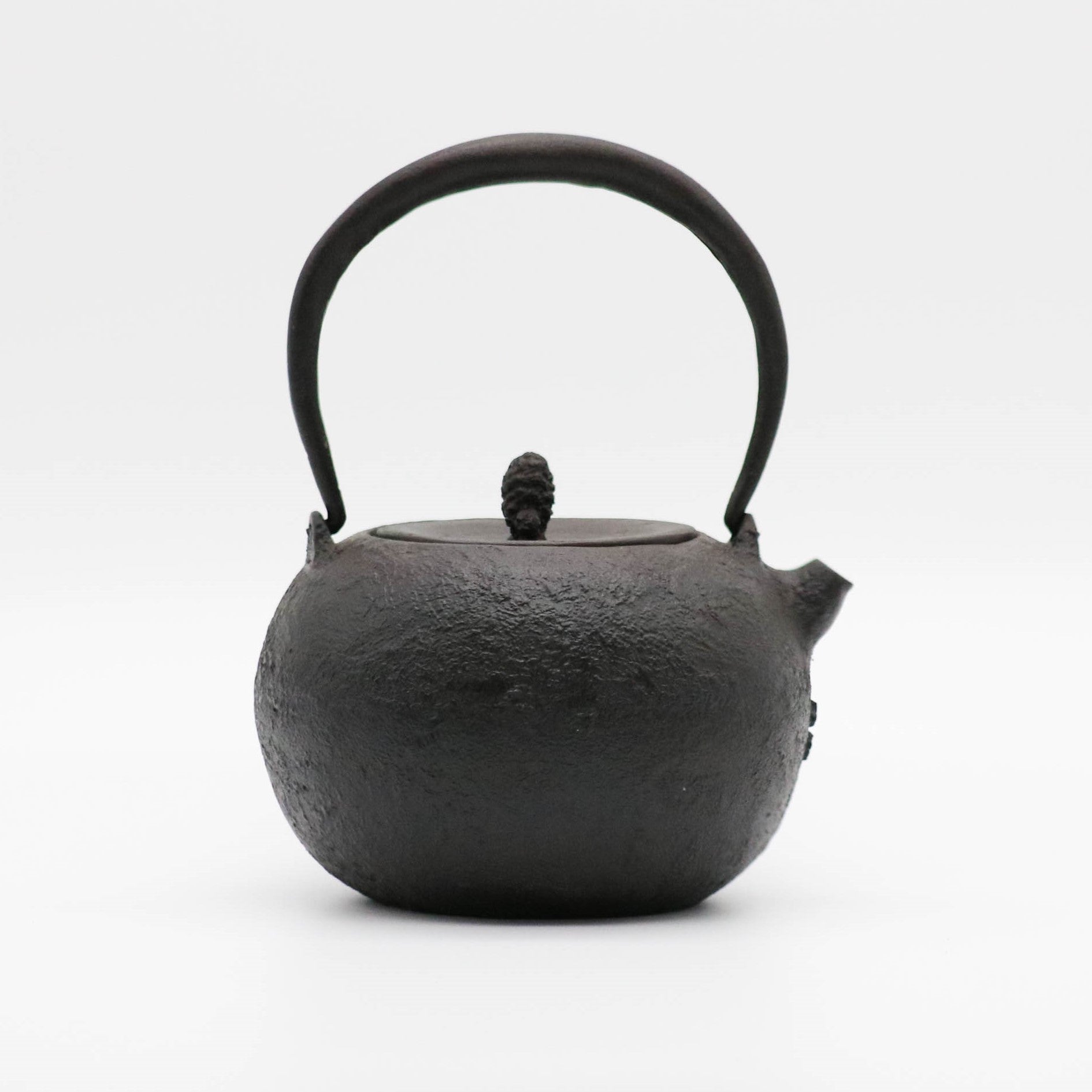
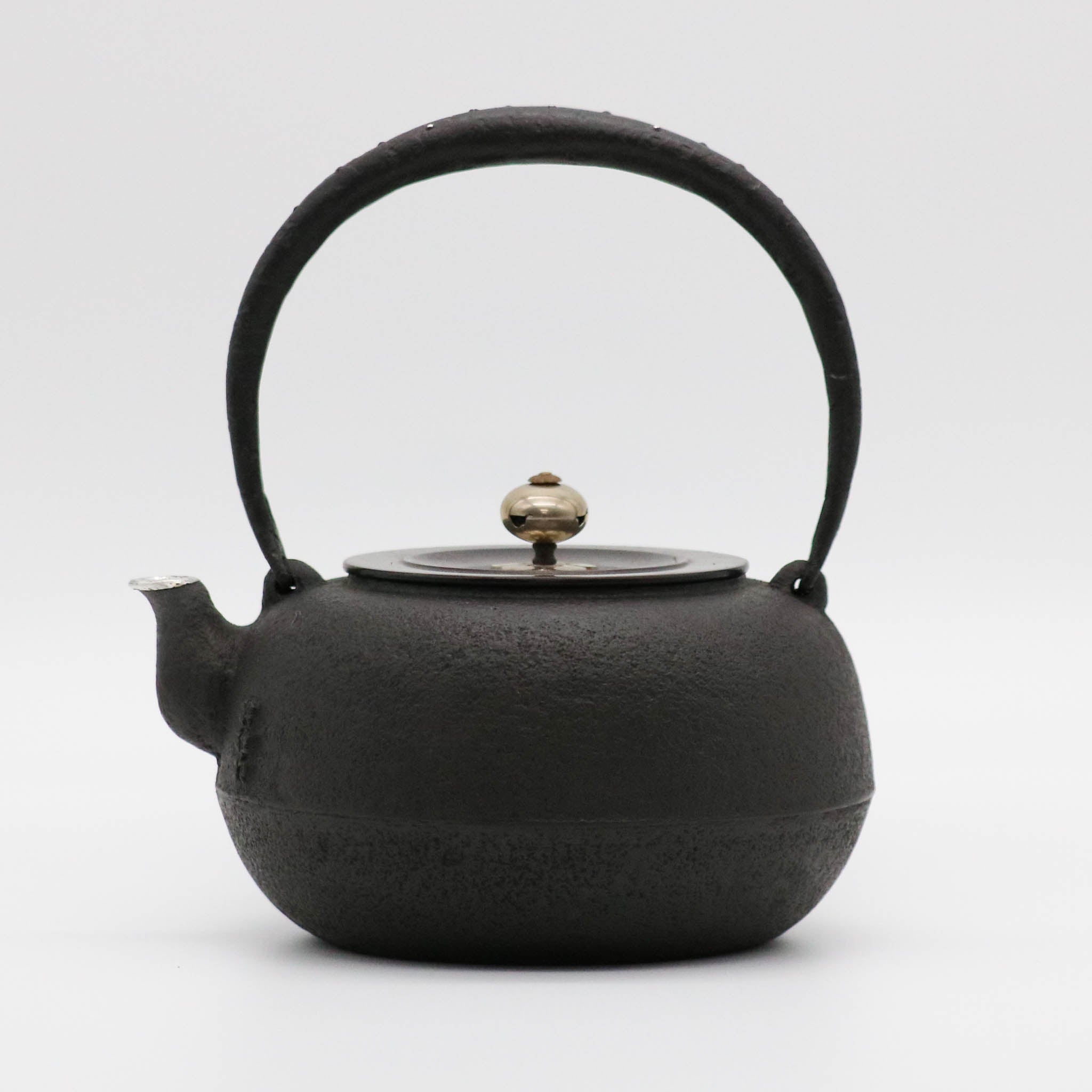
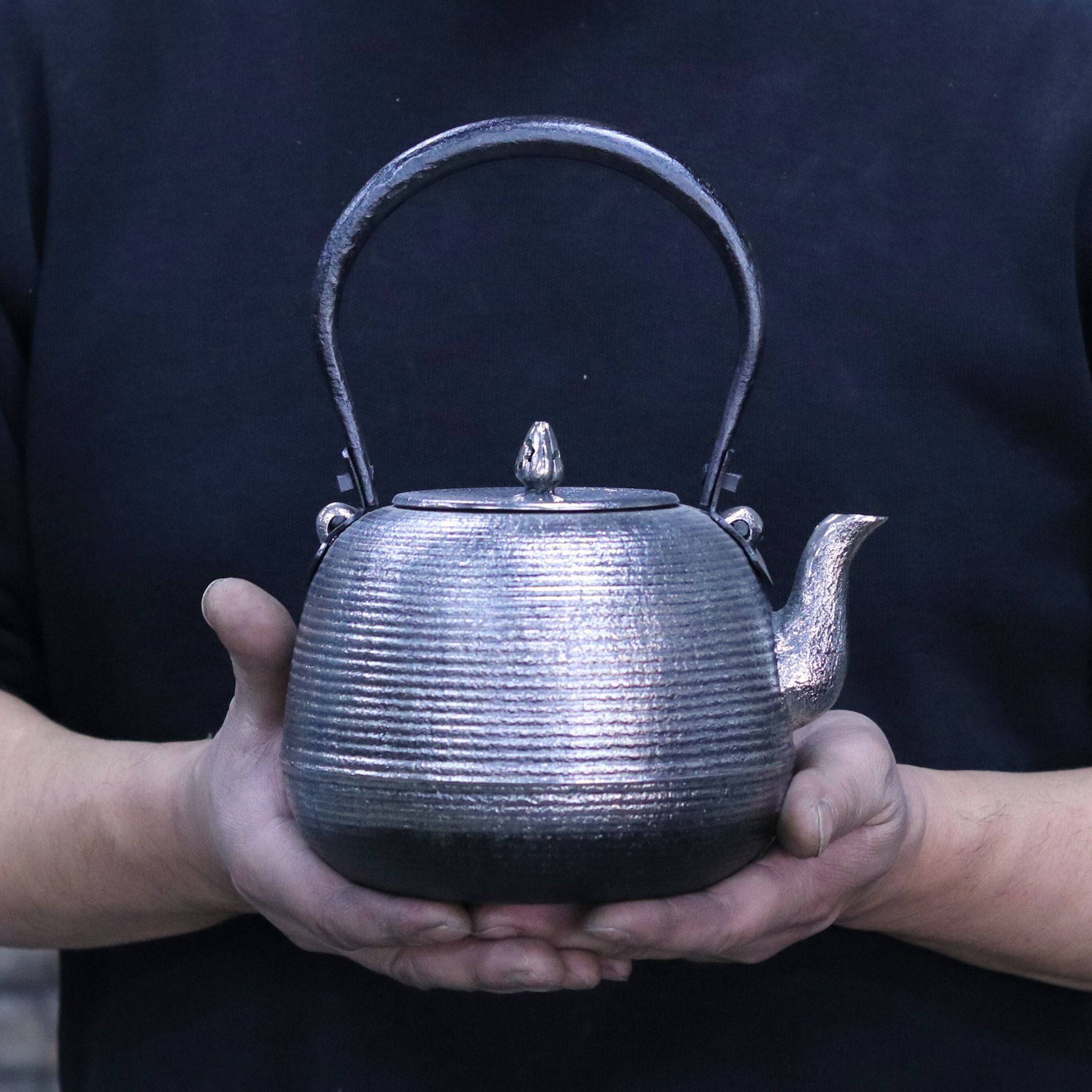
The Nambu iron kettles made by Kaoryama Kobo are characterized by their wide variety. In addition to common shapes such as the iron pot, Nambu, and hitomi styles, they offer a wide selection of kettle shapes rarely seen elsewhere, including the axle, yuzu, and new futon styles.
Recommended Brands of Yamagata Cast Iron Tetsubin Teapots
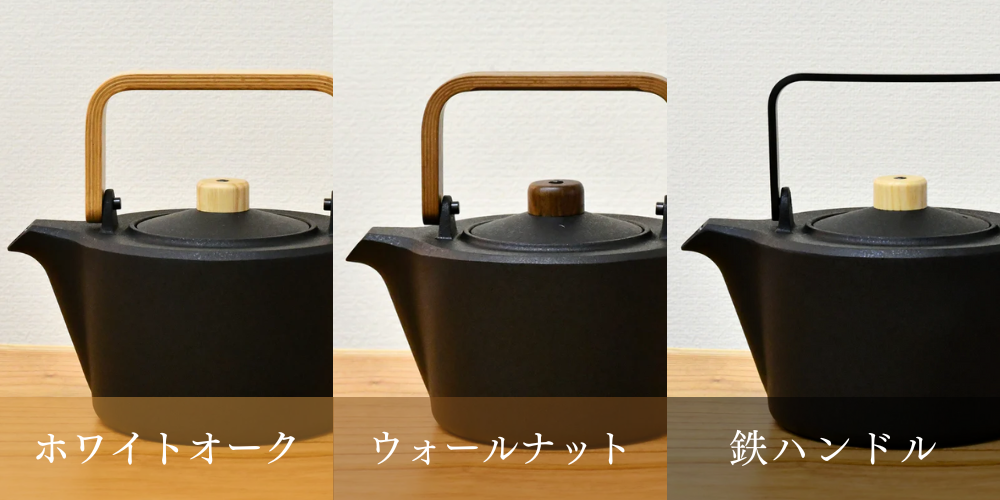
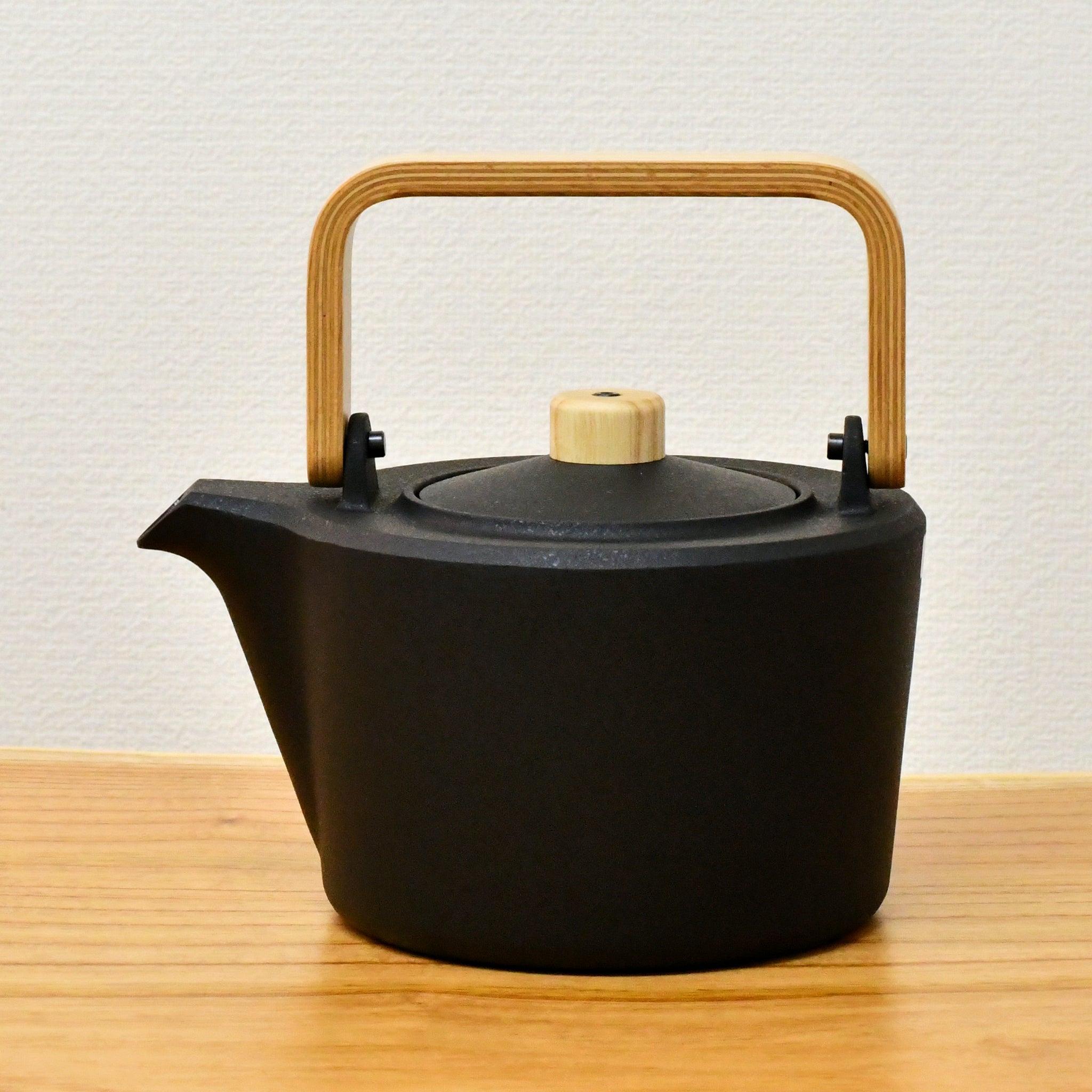
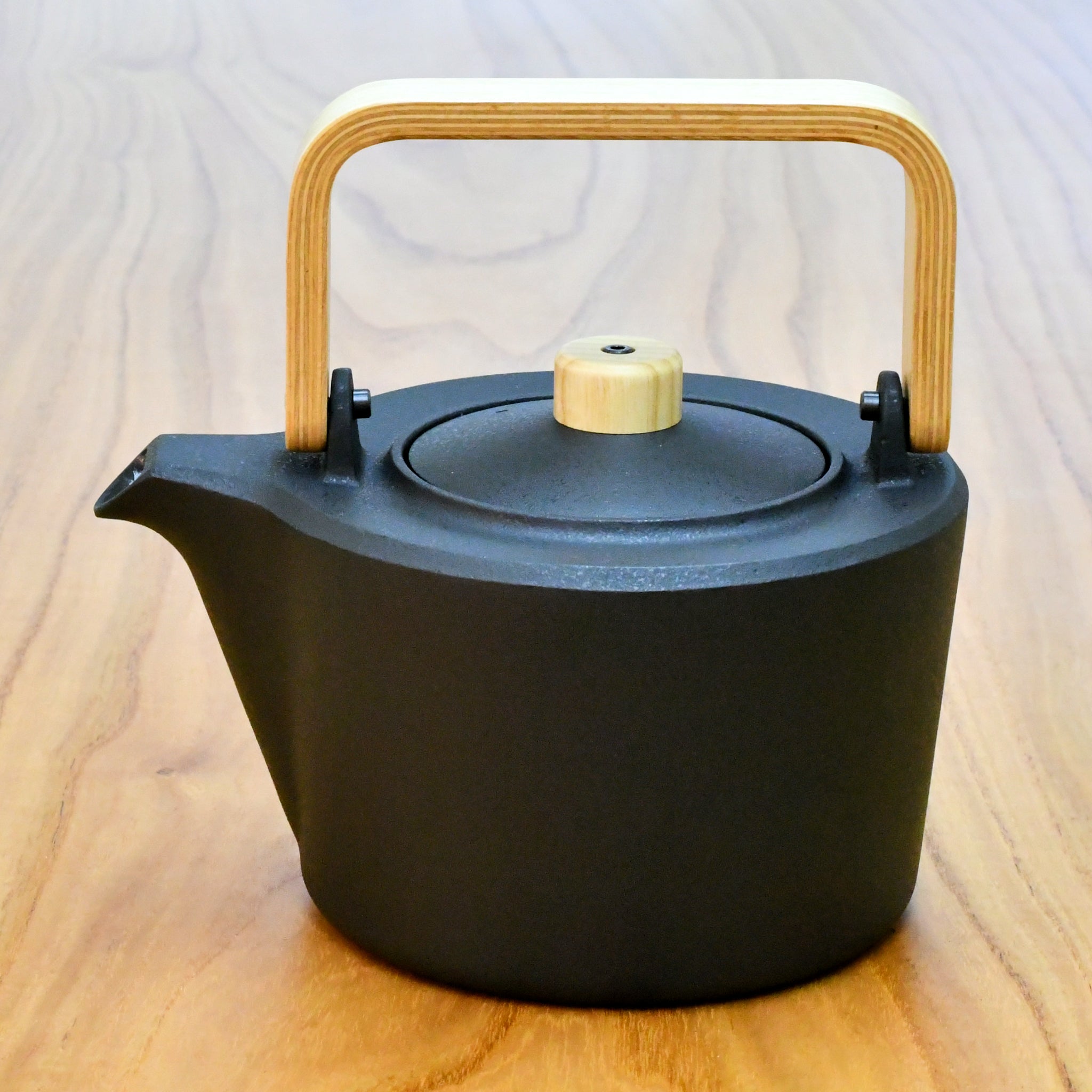
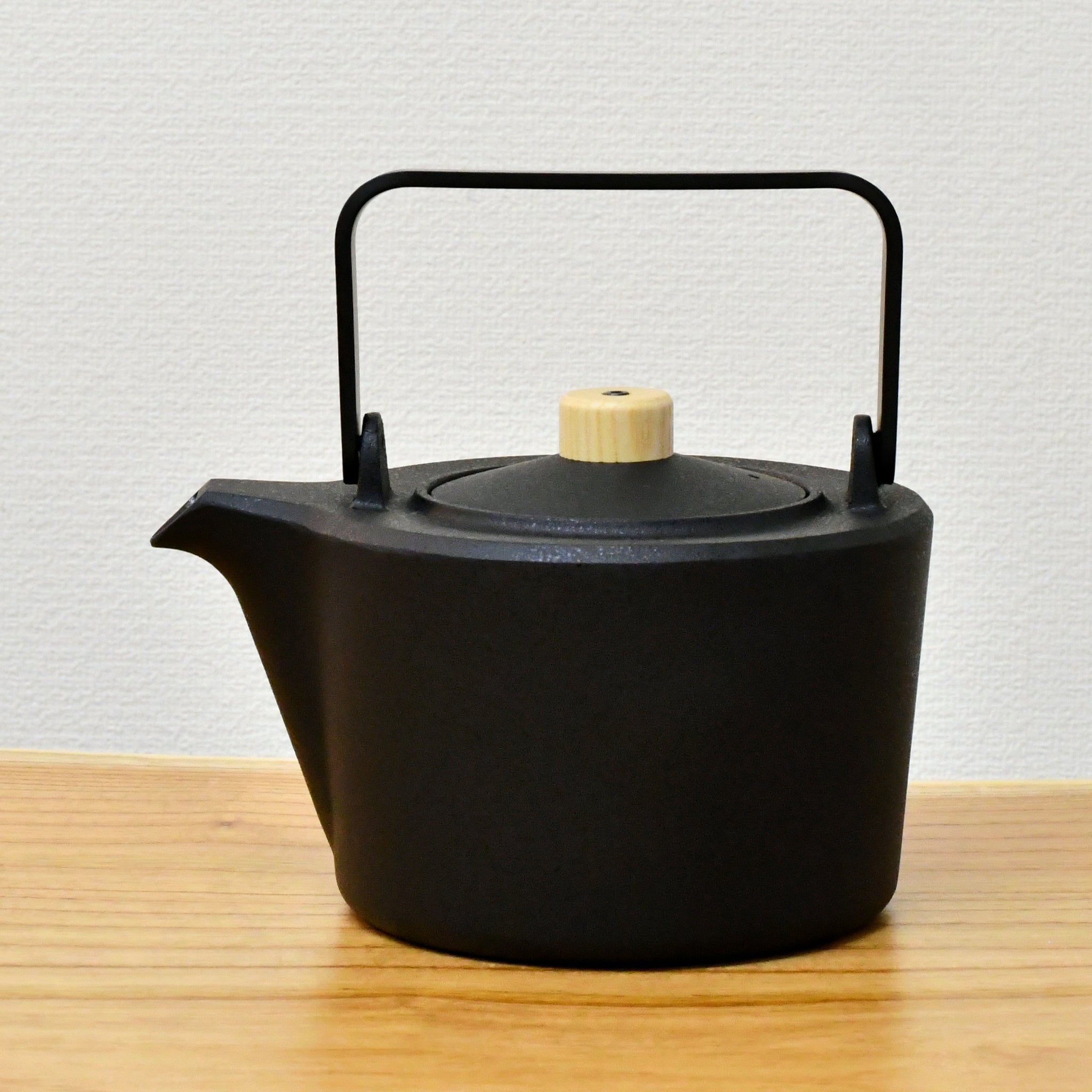
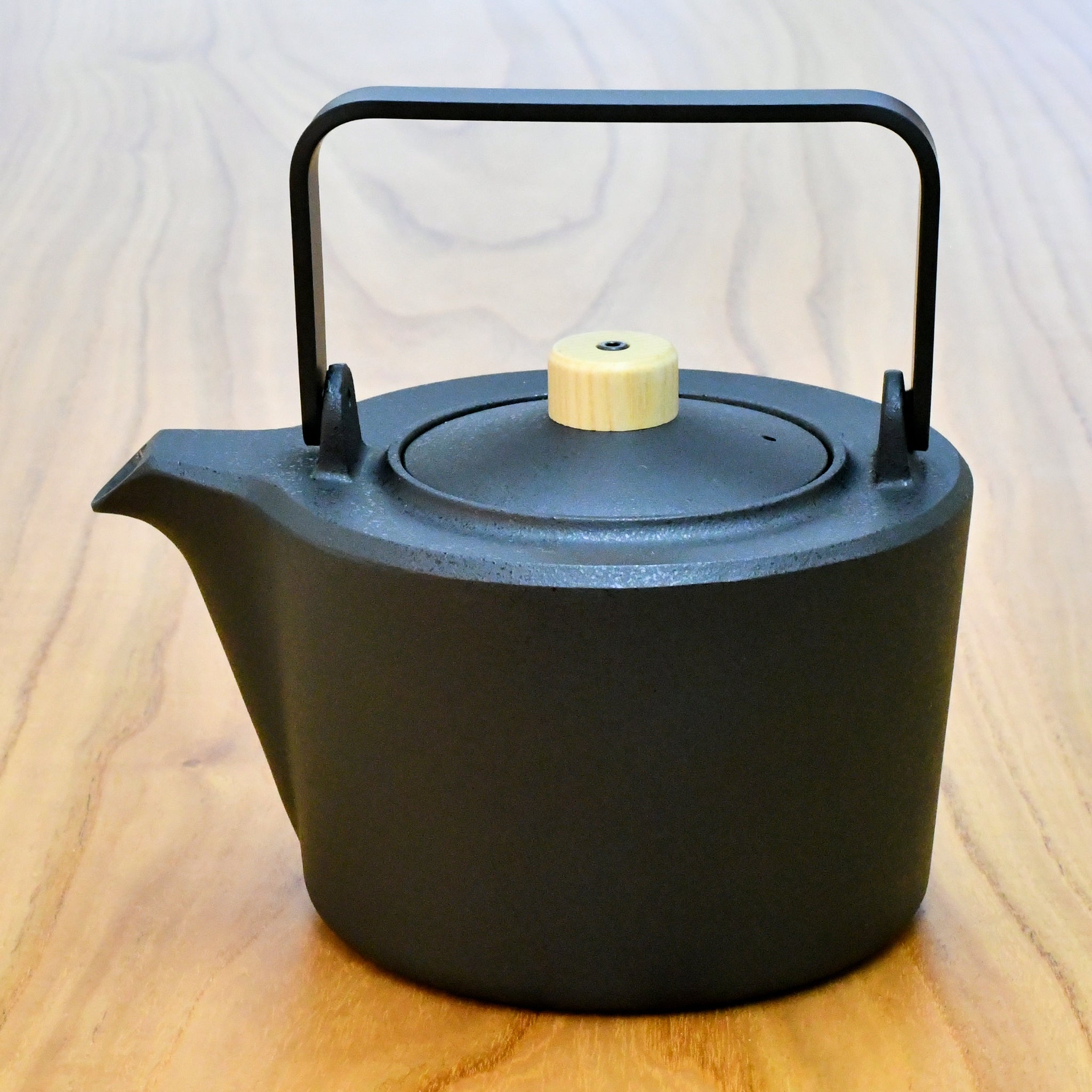
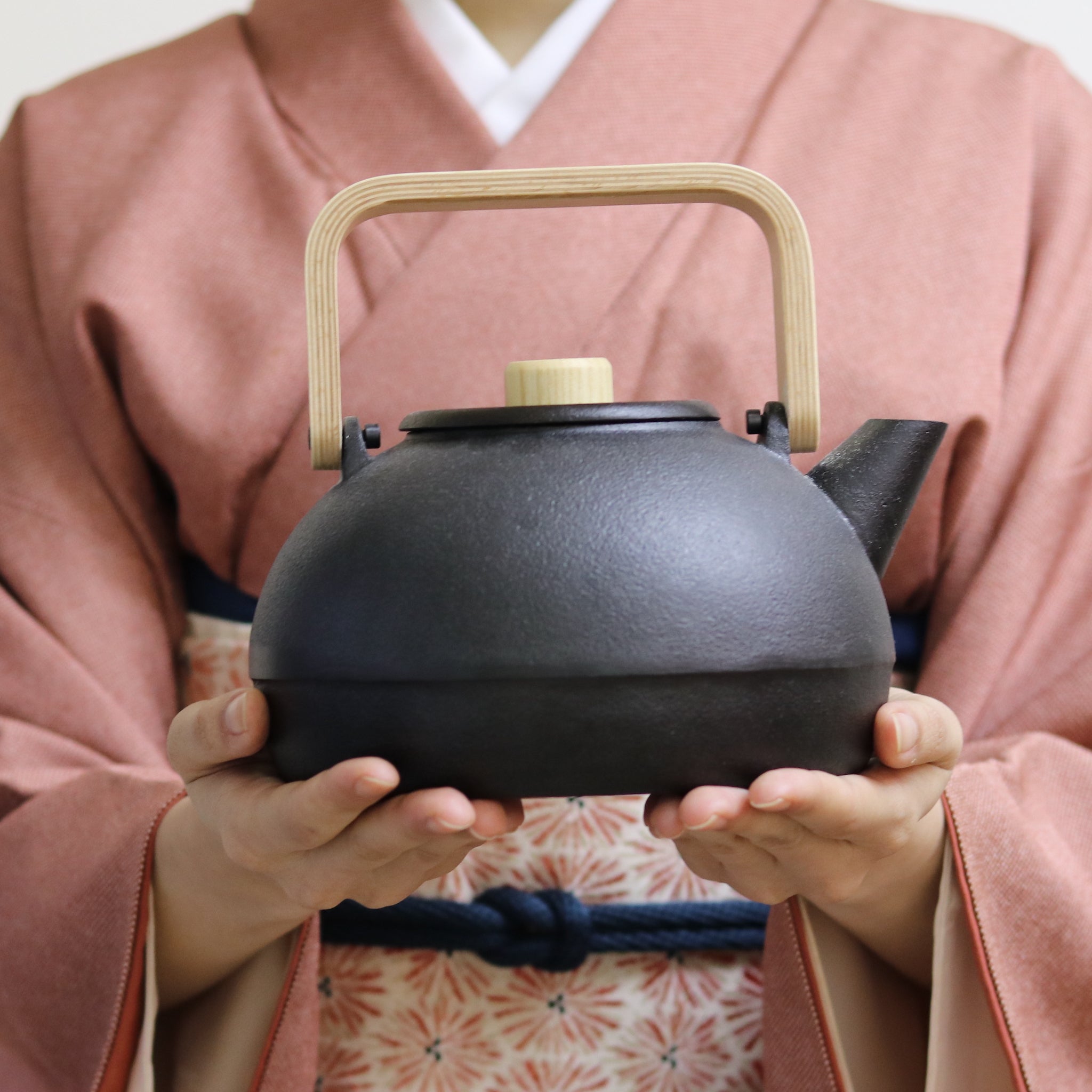
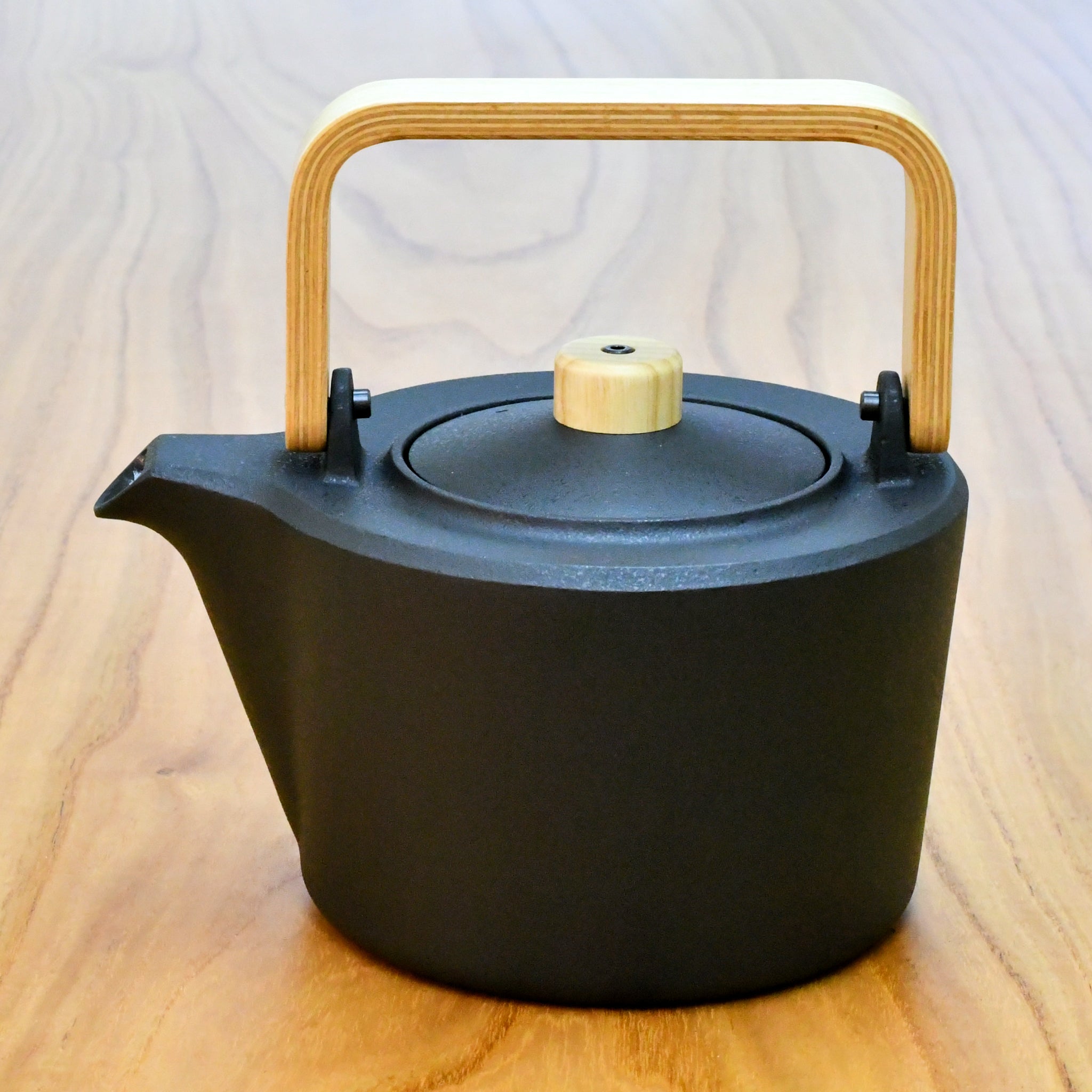
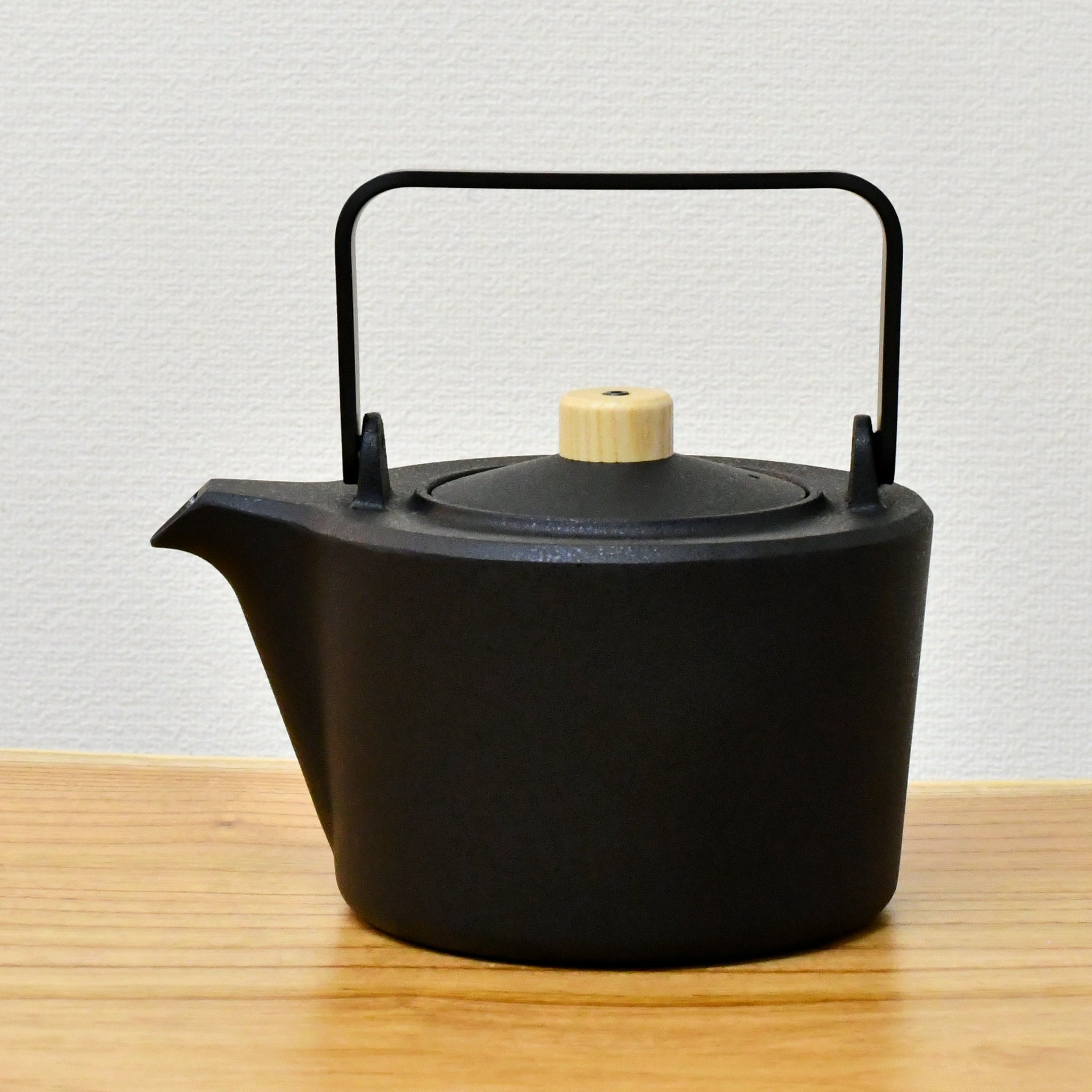
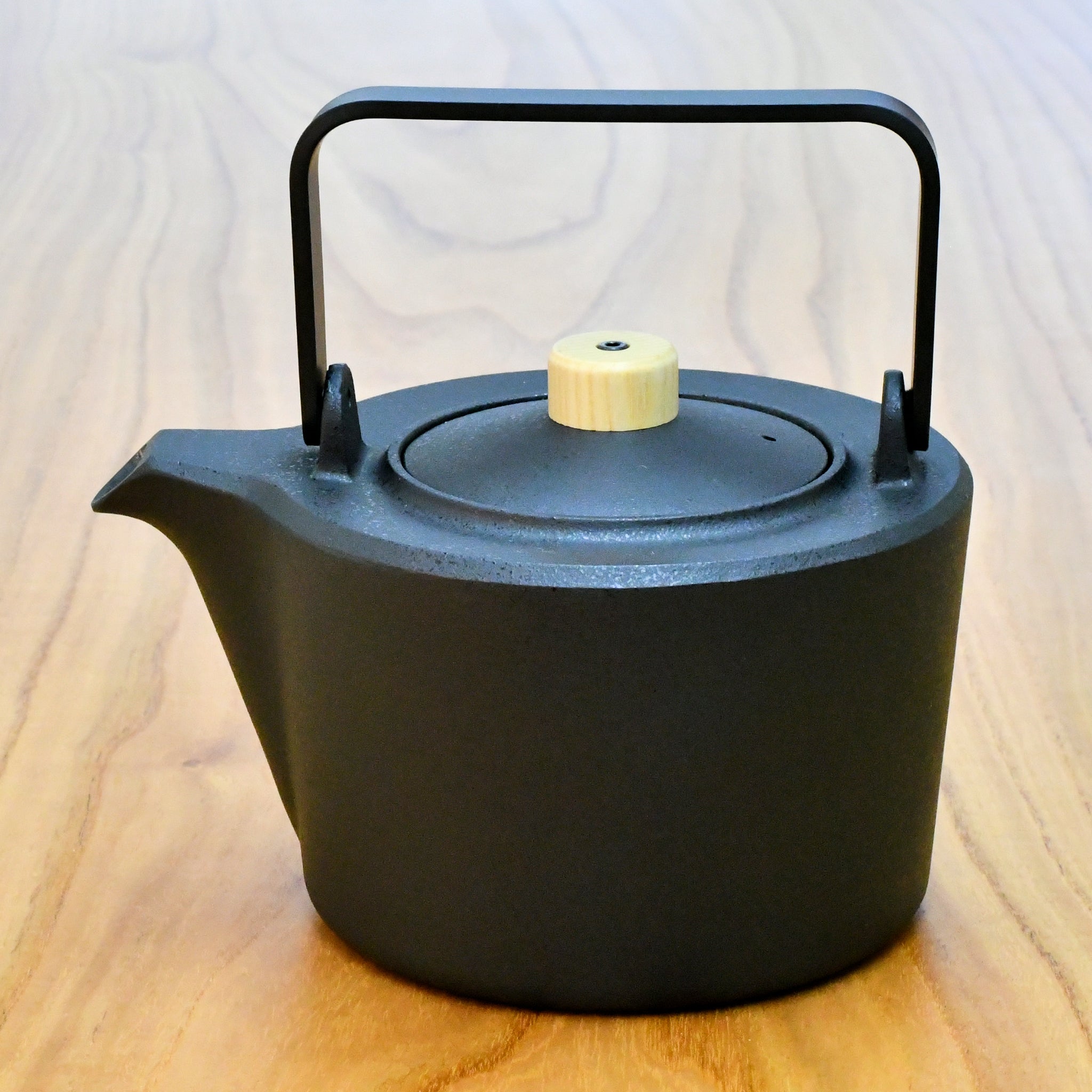
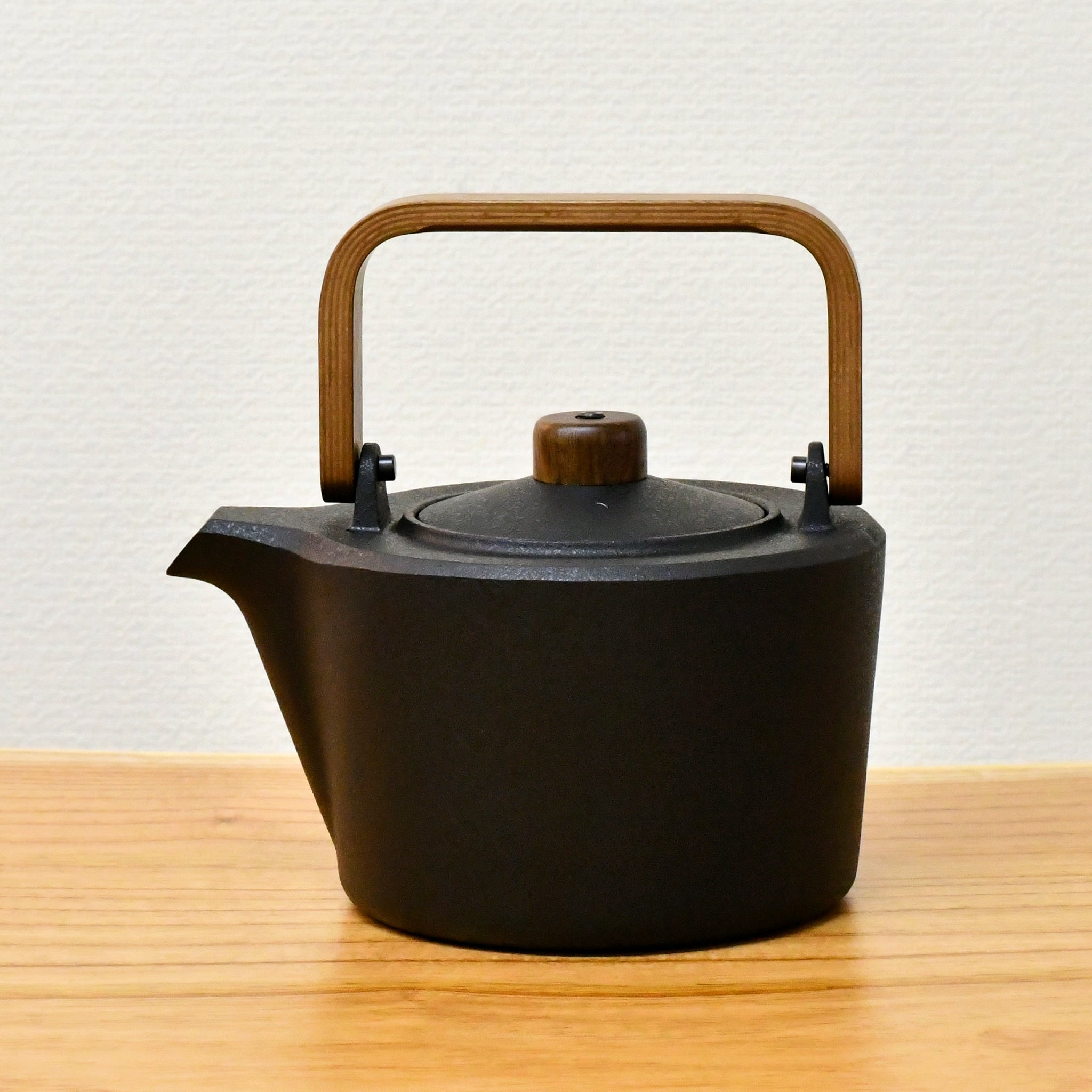
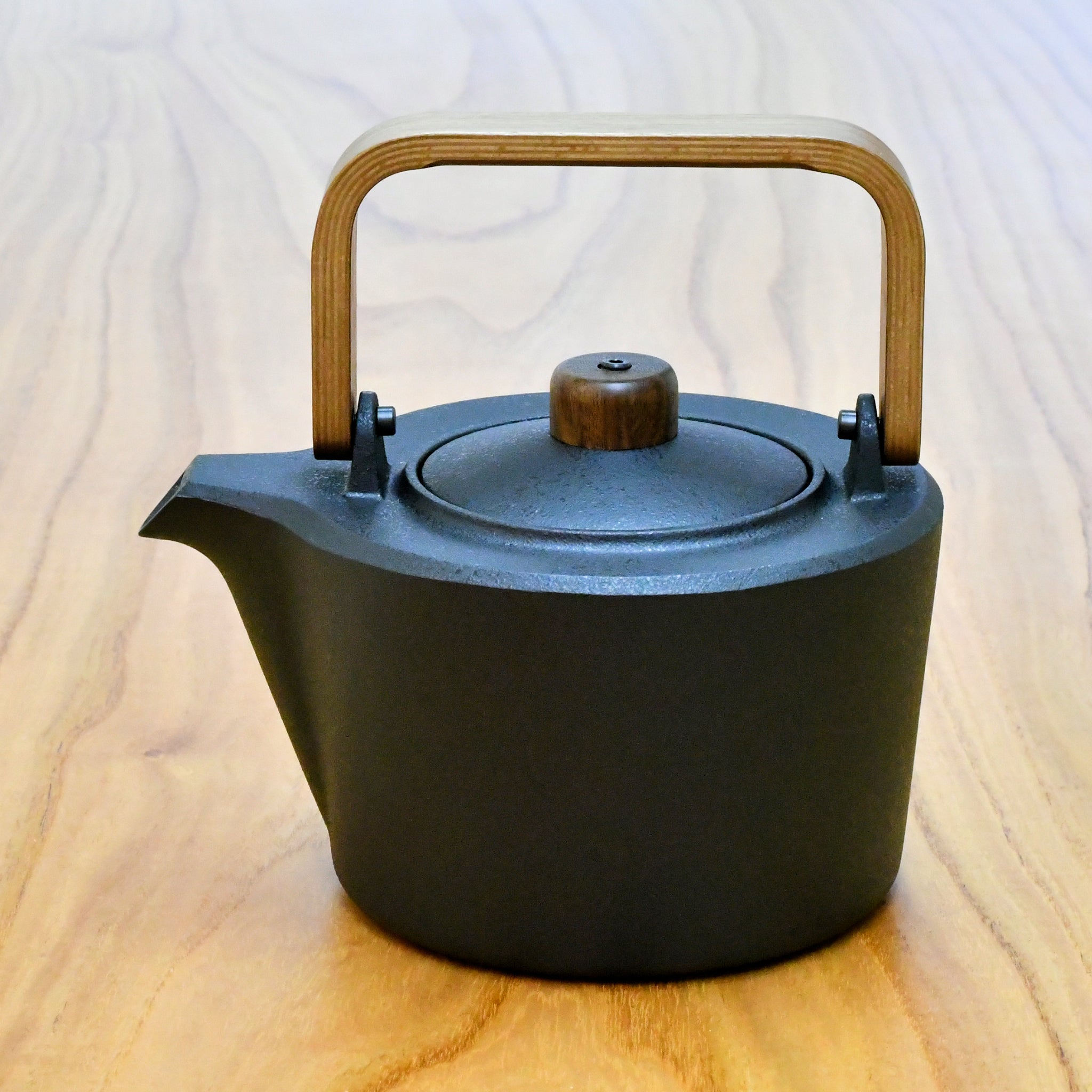
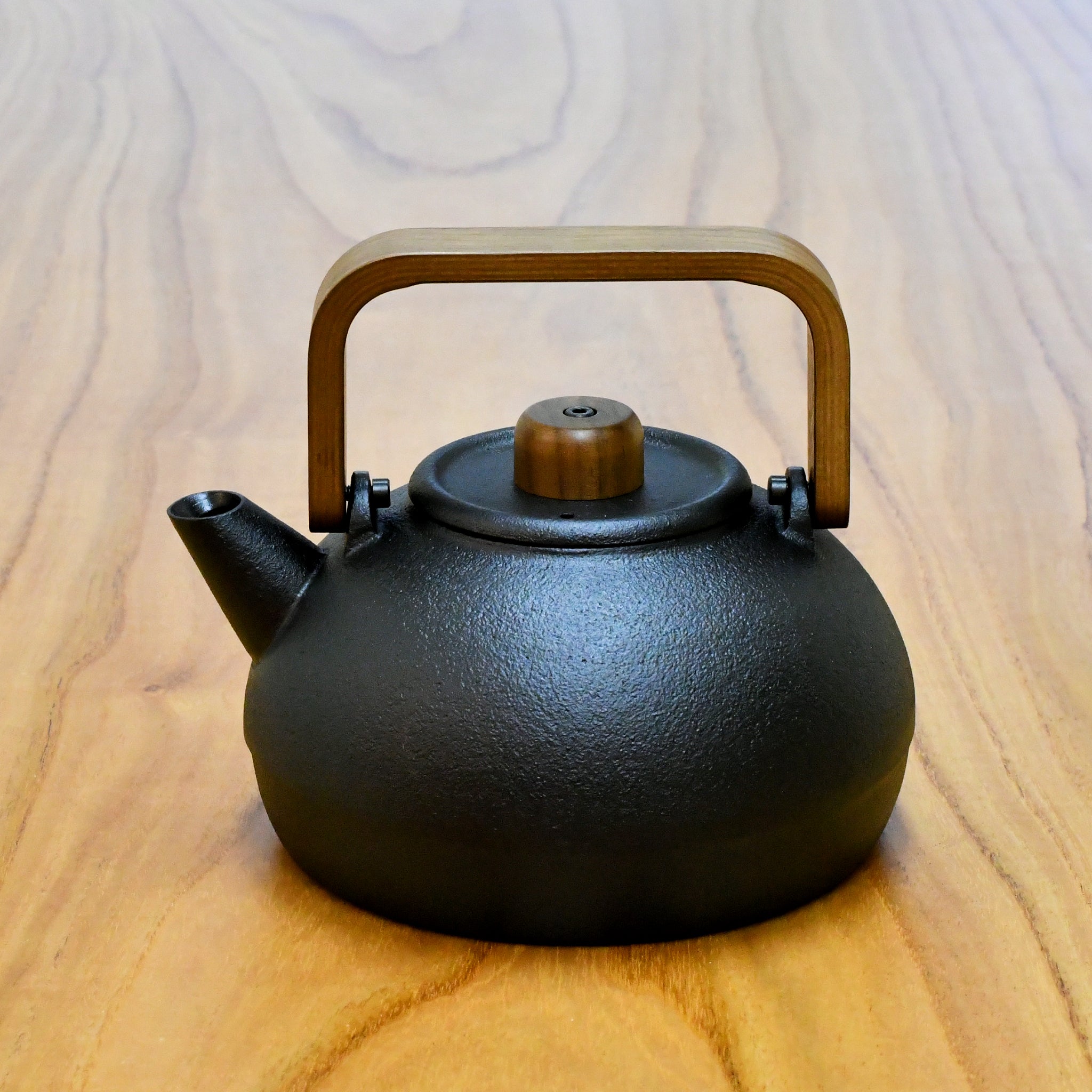
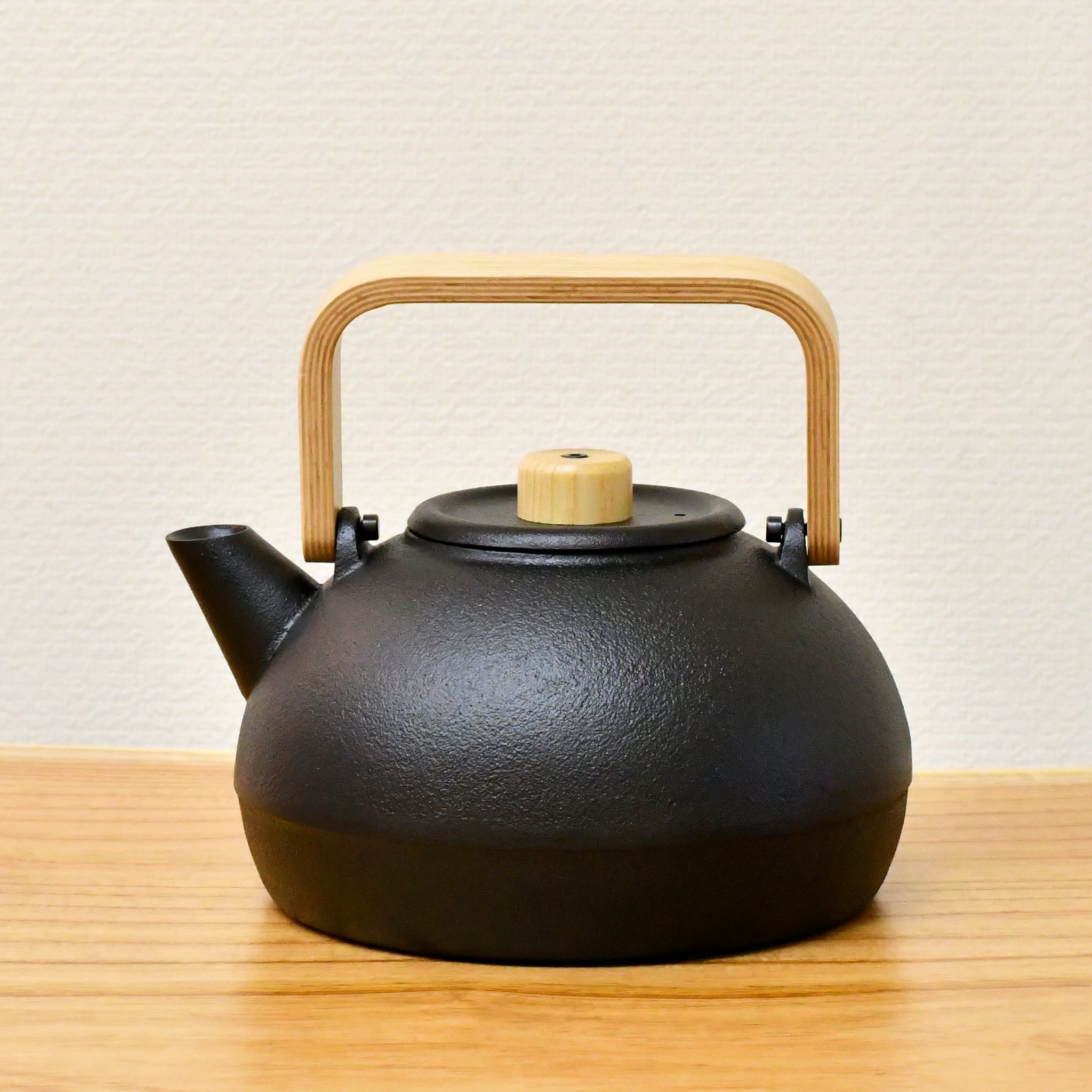
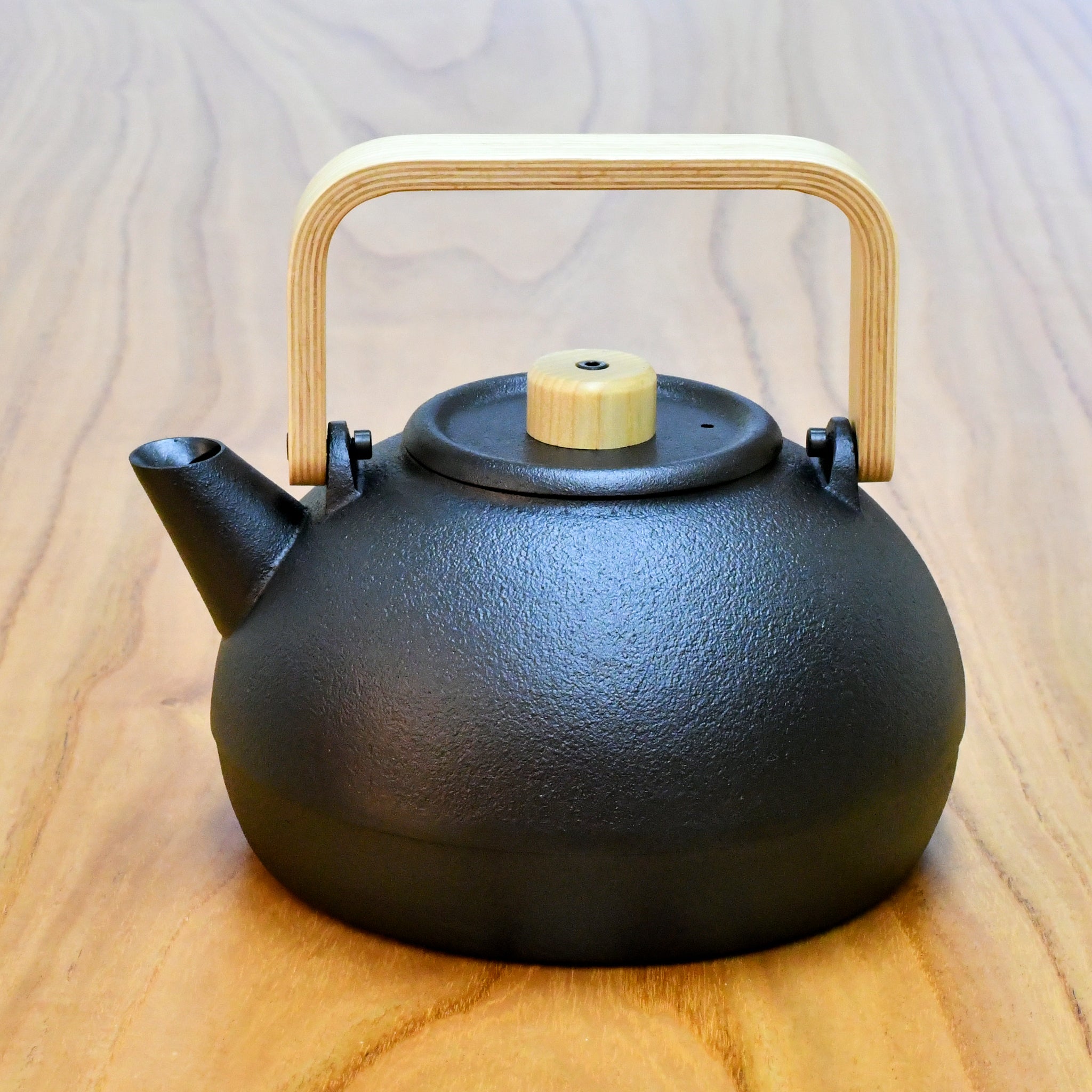
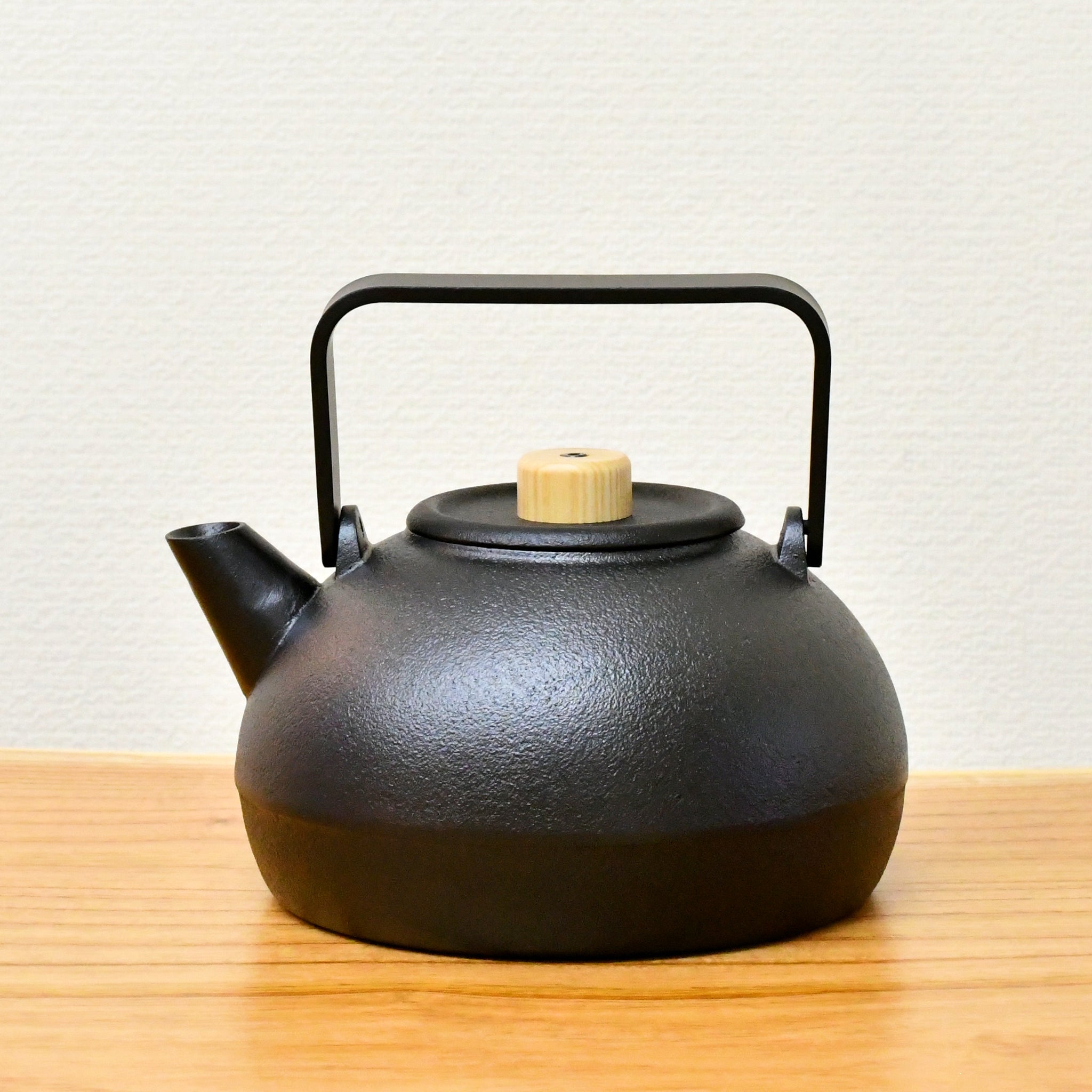
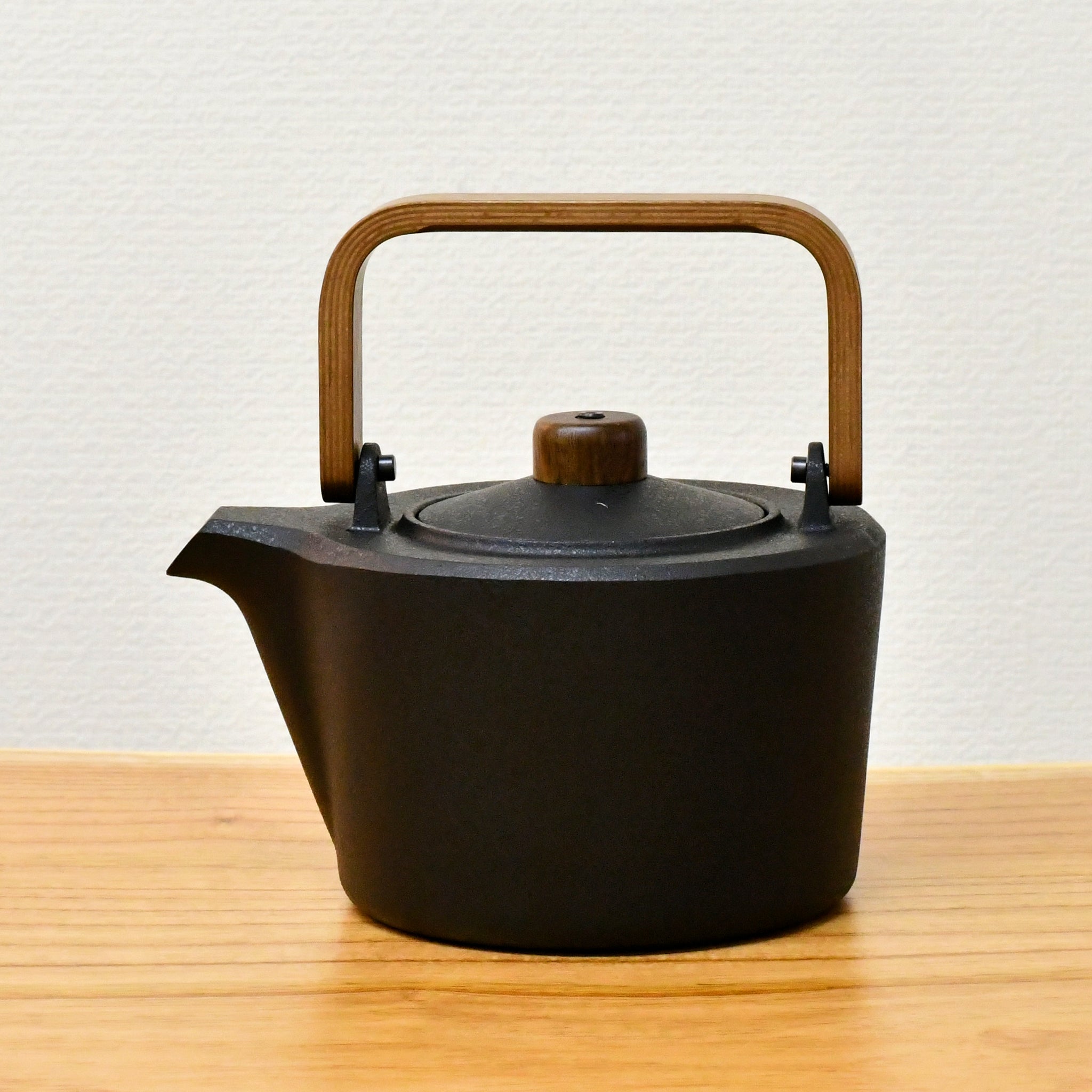
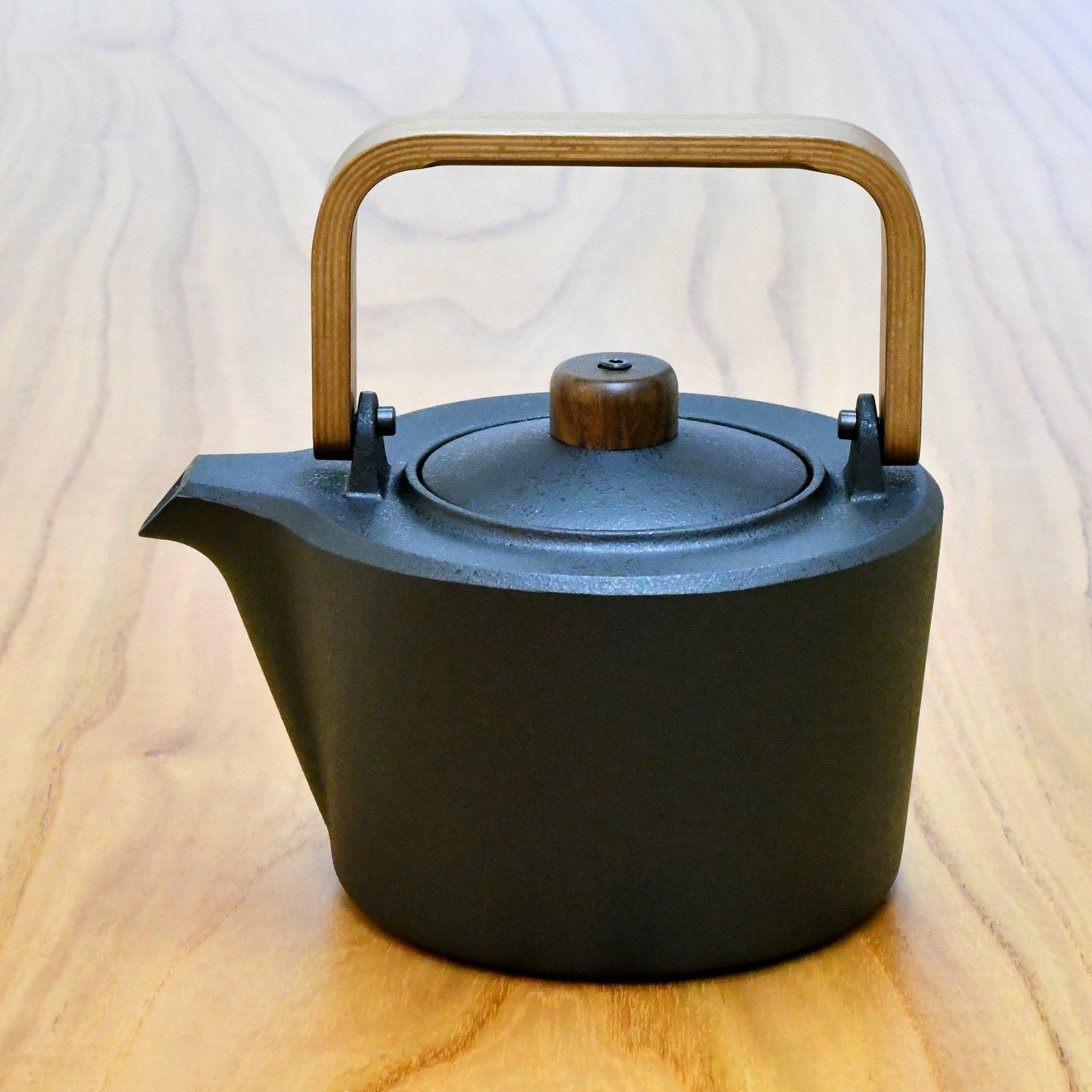
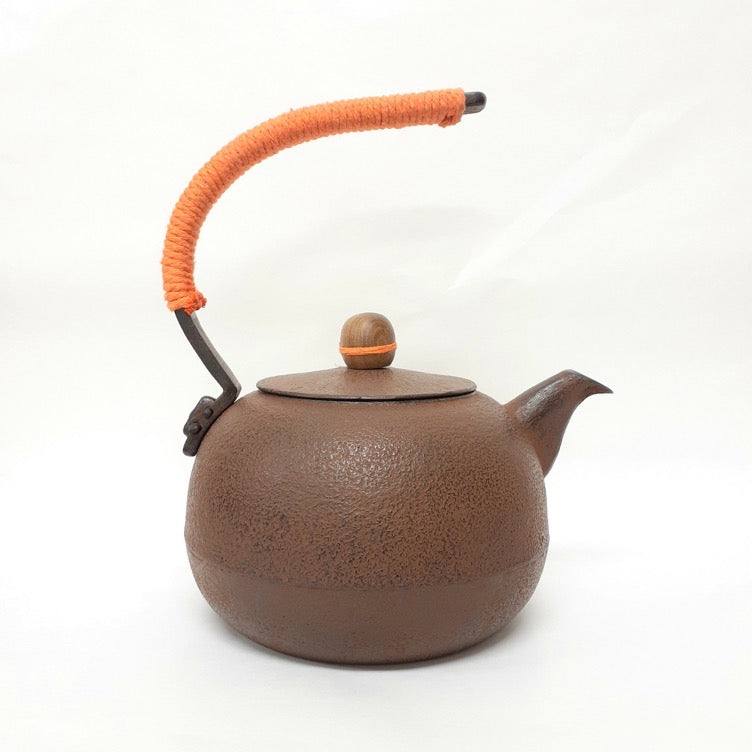
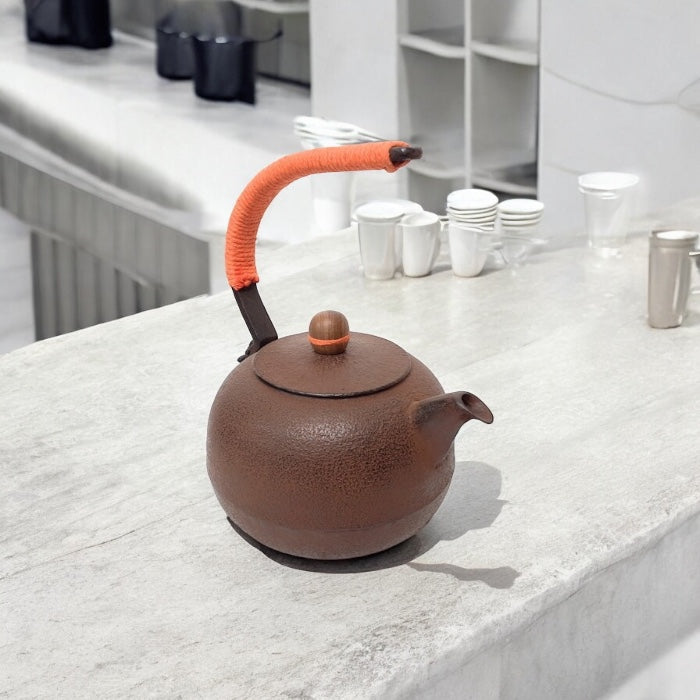
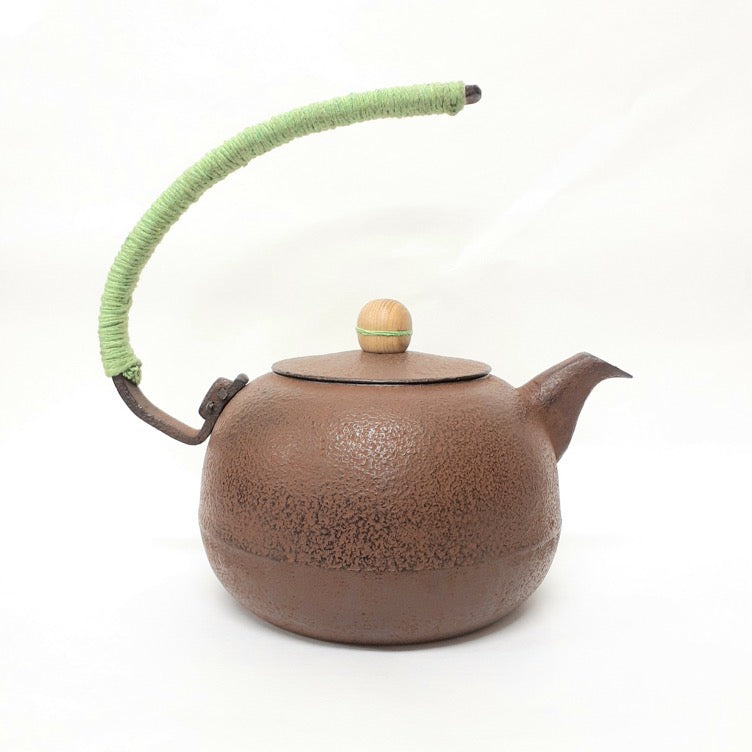
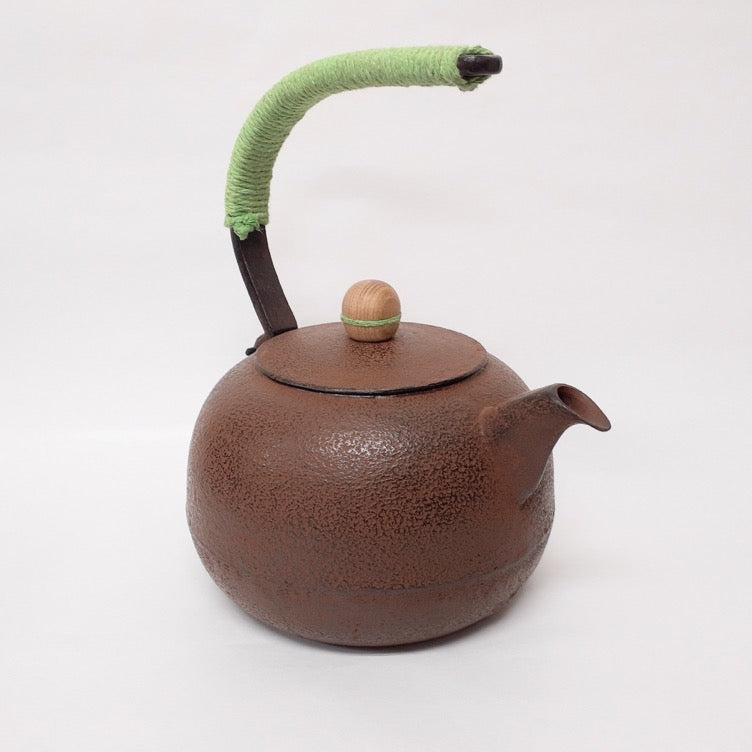
While cast iron kettles are strongly associated with traditional Japanese imagery, this kettle defies expectations with its simple, modern design and wooden handle, blending seamlessly into a Western lifestyle. The interior features a traditional lacquer-fired finish, preserving the cast iron kettle’s key benefit of replenishing iron in the body. Furthermore, every detail has been carefully considered to make it something you’ll want to use every day, from its flat base for use on induction cooktops and a spout positioned to prevent overflow, to a triangular spout that makes pouring hot water easy.
Recommended Brands of Takaoka Copperware Iron Kettles

A long-established foundry founded in 1870 in Takaoka City, Toyama Prefecture.
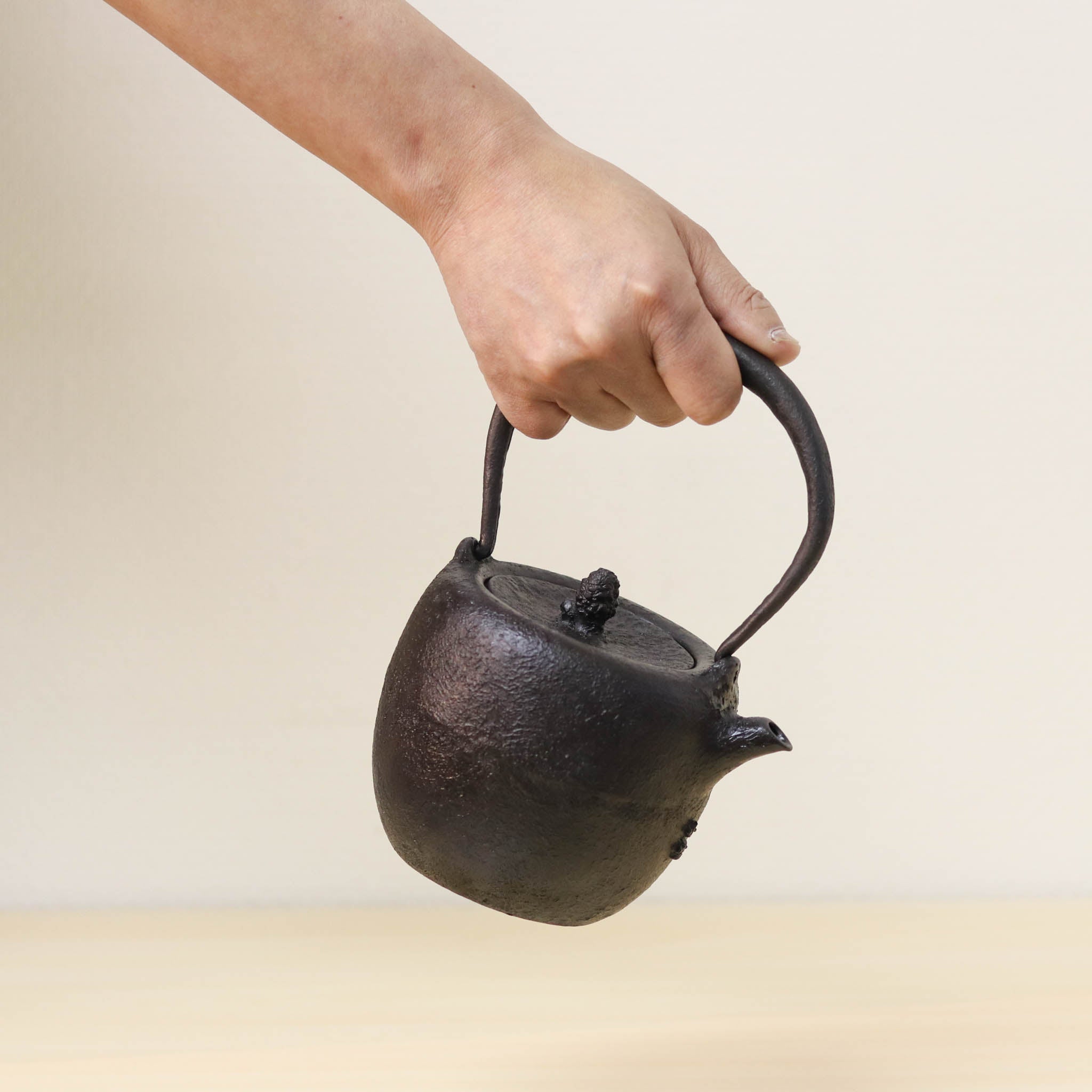
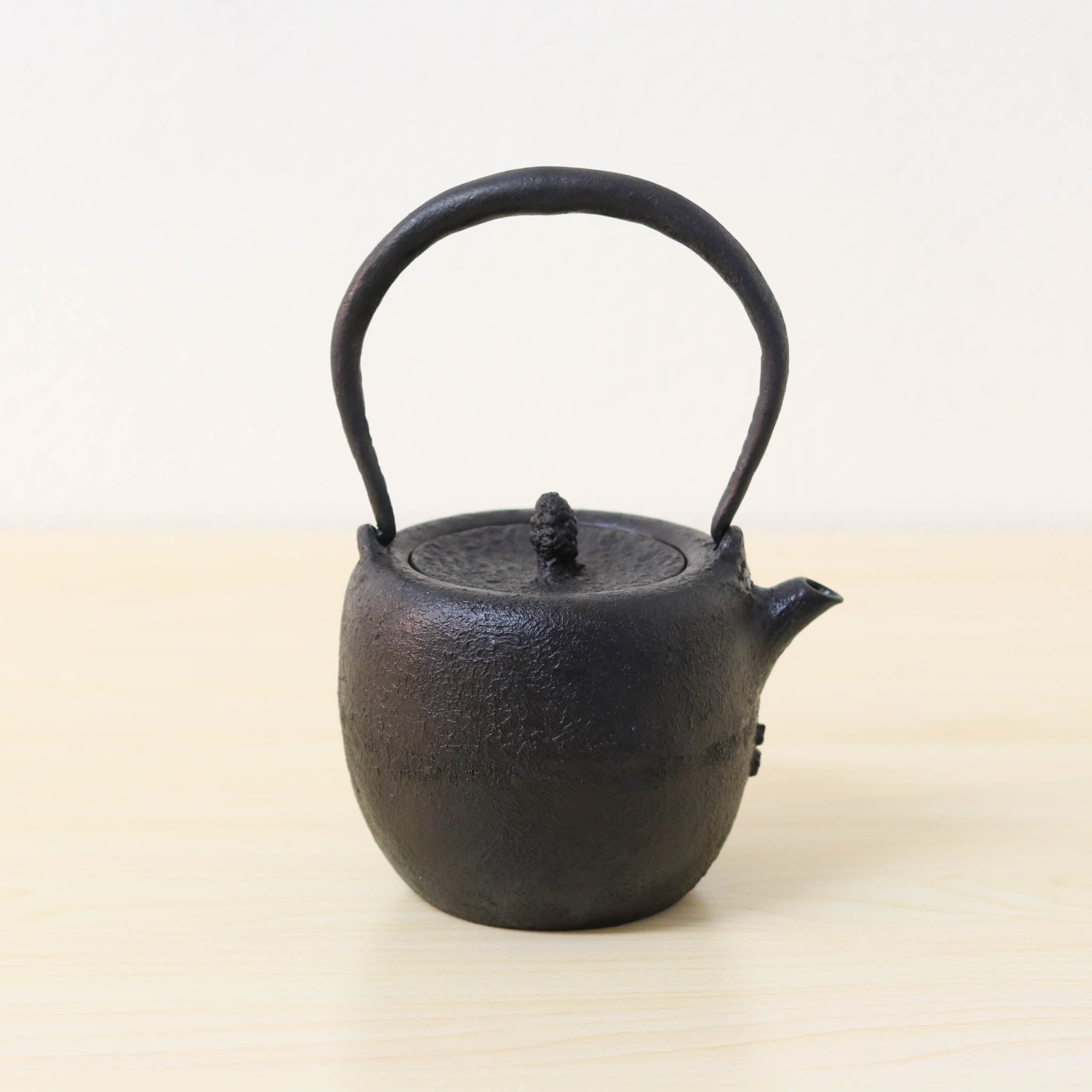
Our team of artisans, including traditional craftspeople, carries forward years of refined casting techniques and a deep understanding of materials into today’s craftsmanship. In recent years, our techniques and artistic expression have gained international recognition through presentations and awards at exhibitions both at home and abroad, as well as the acquisition of our works by the Smithsonian Institution.
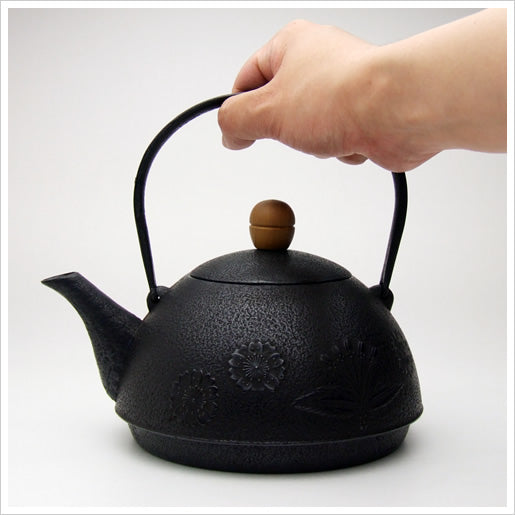
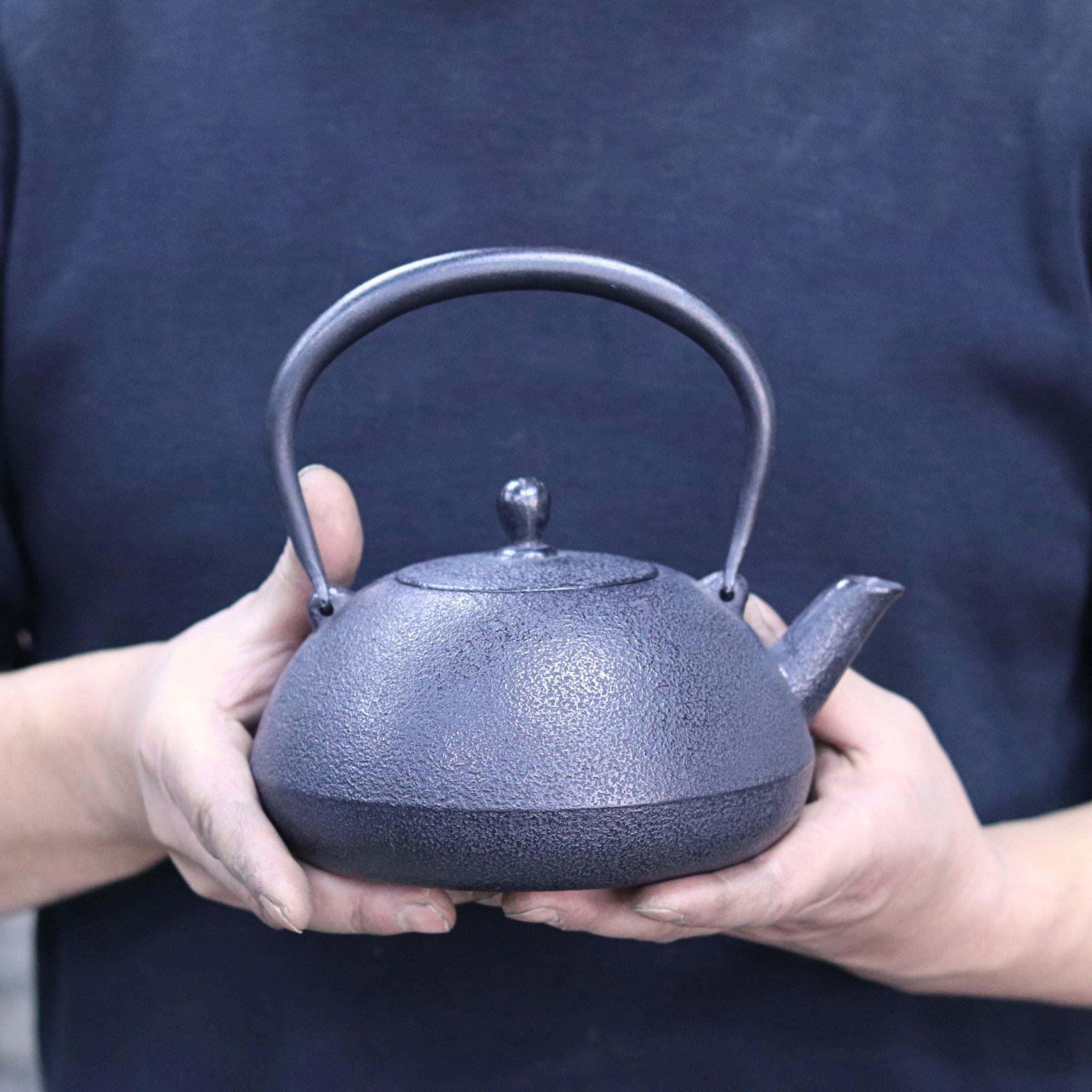
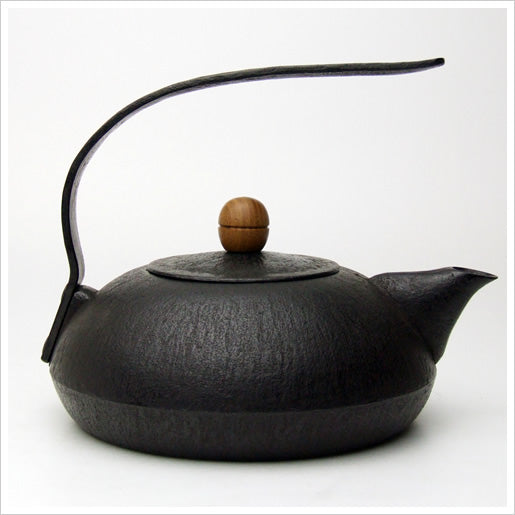
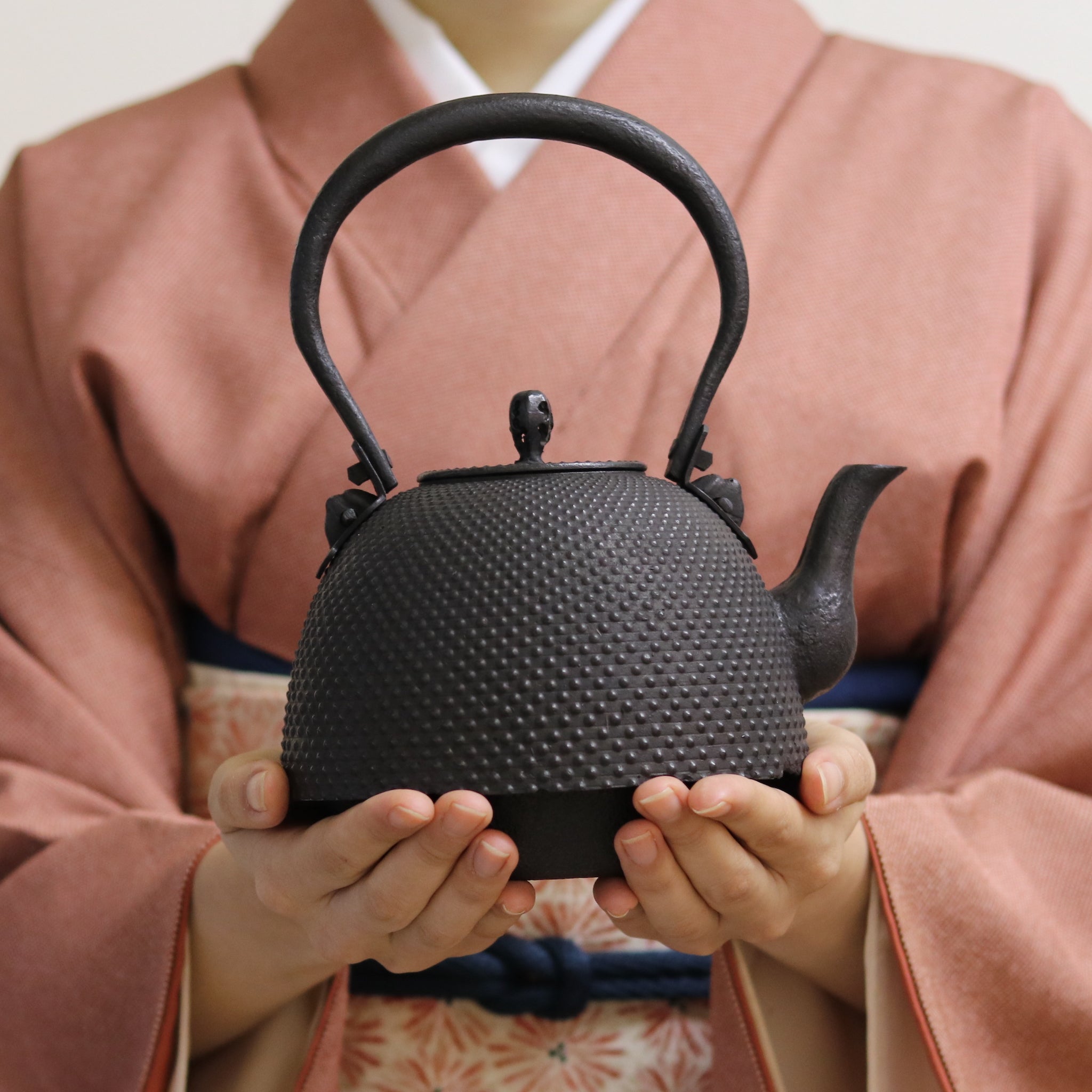
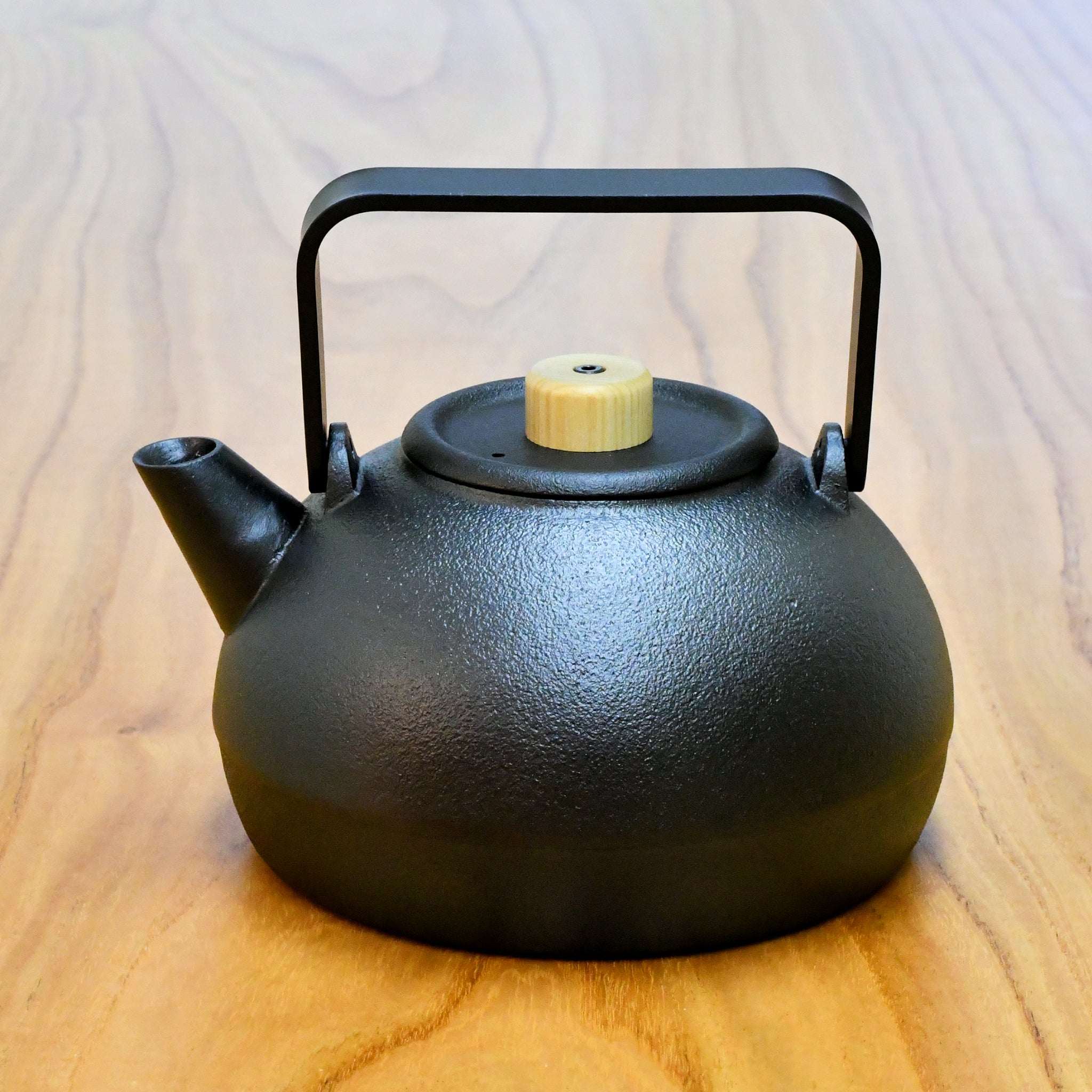
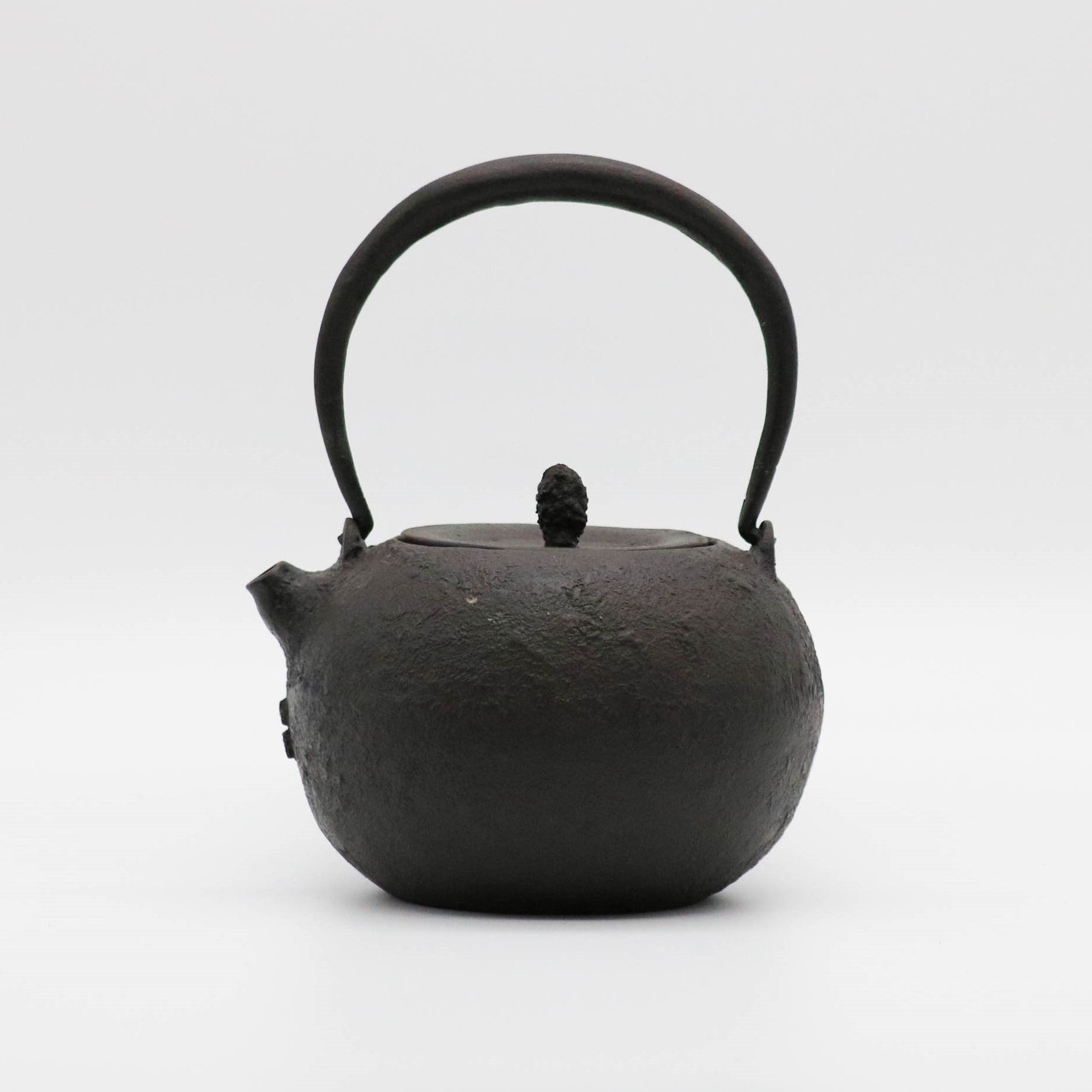
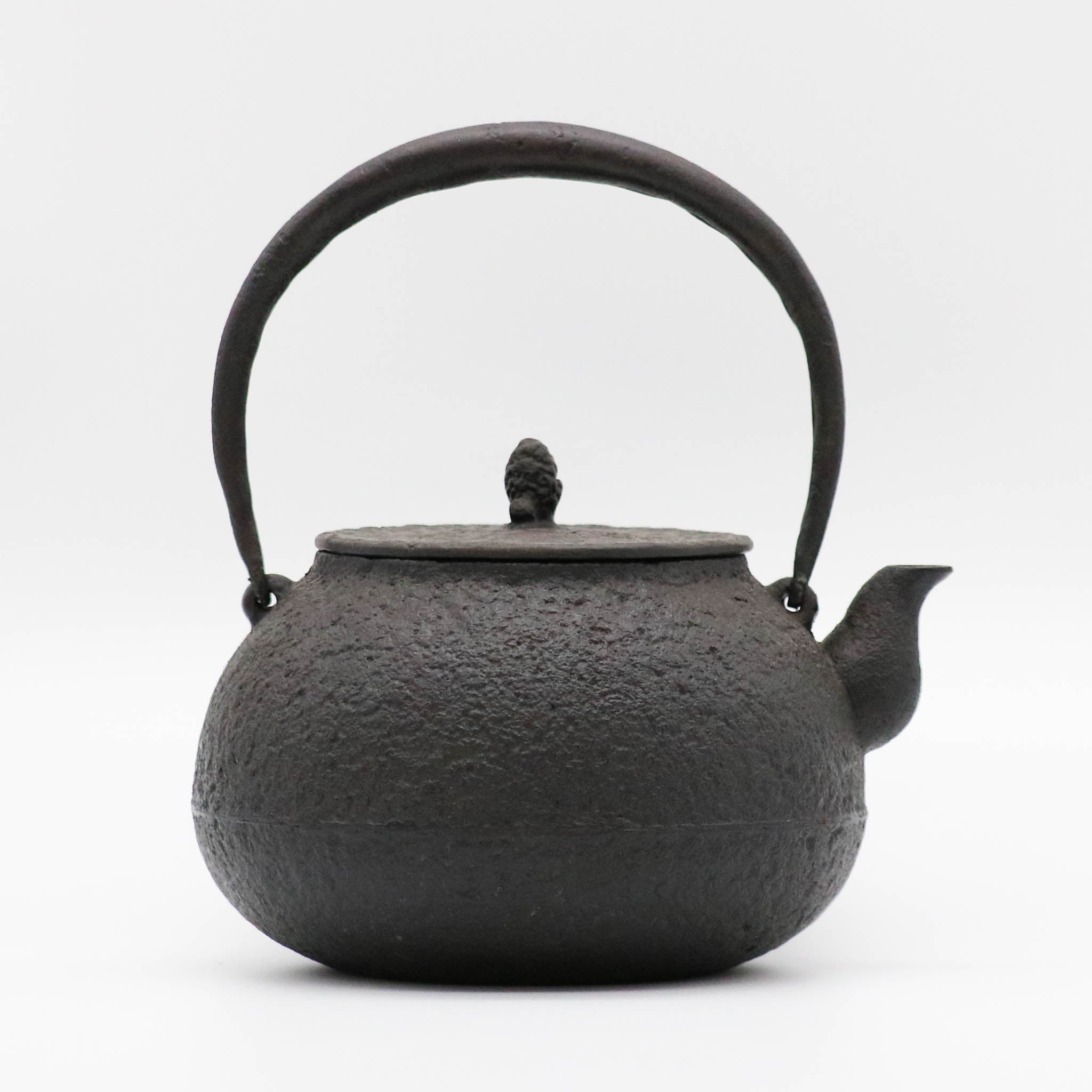
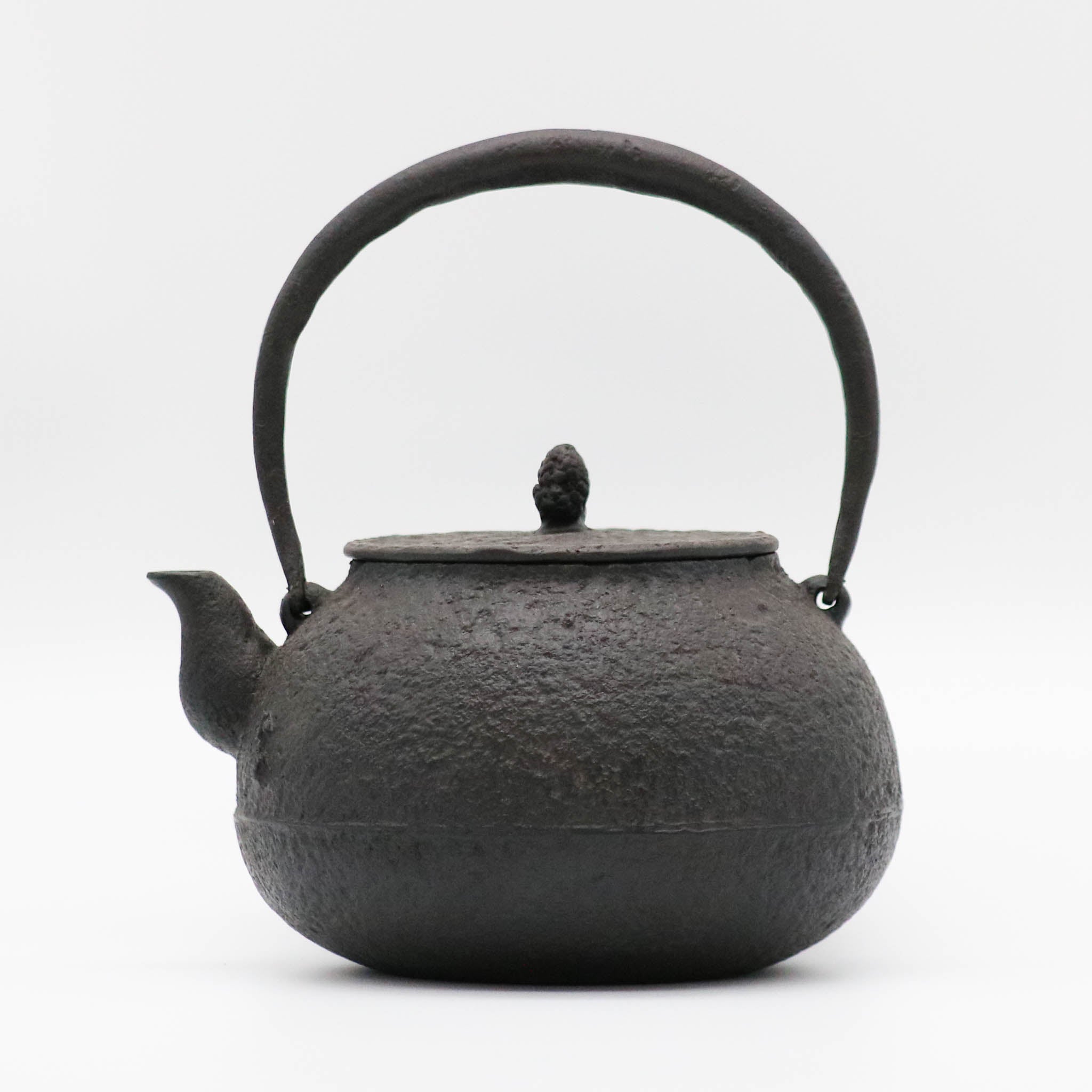
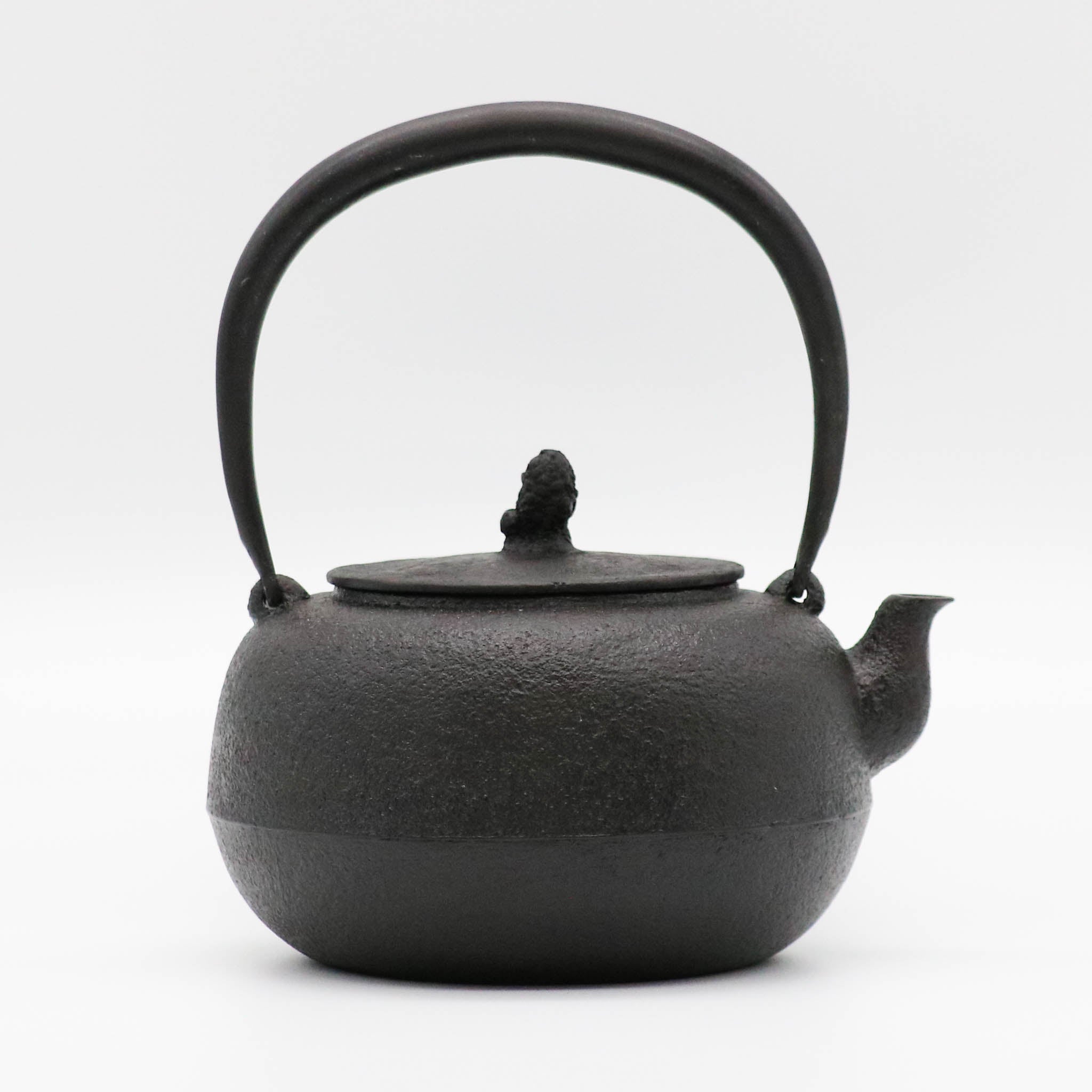
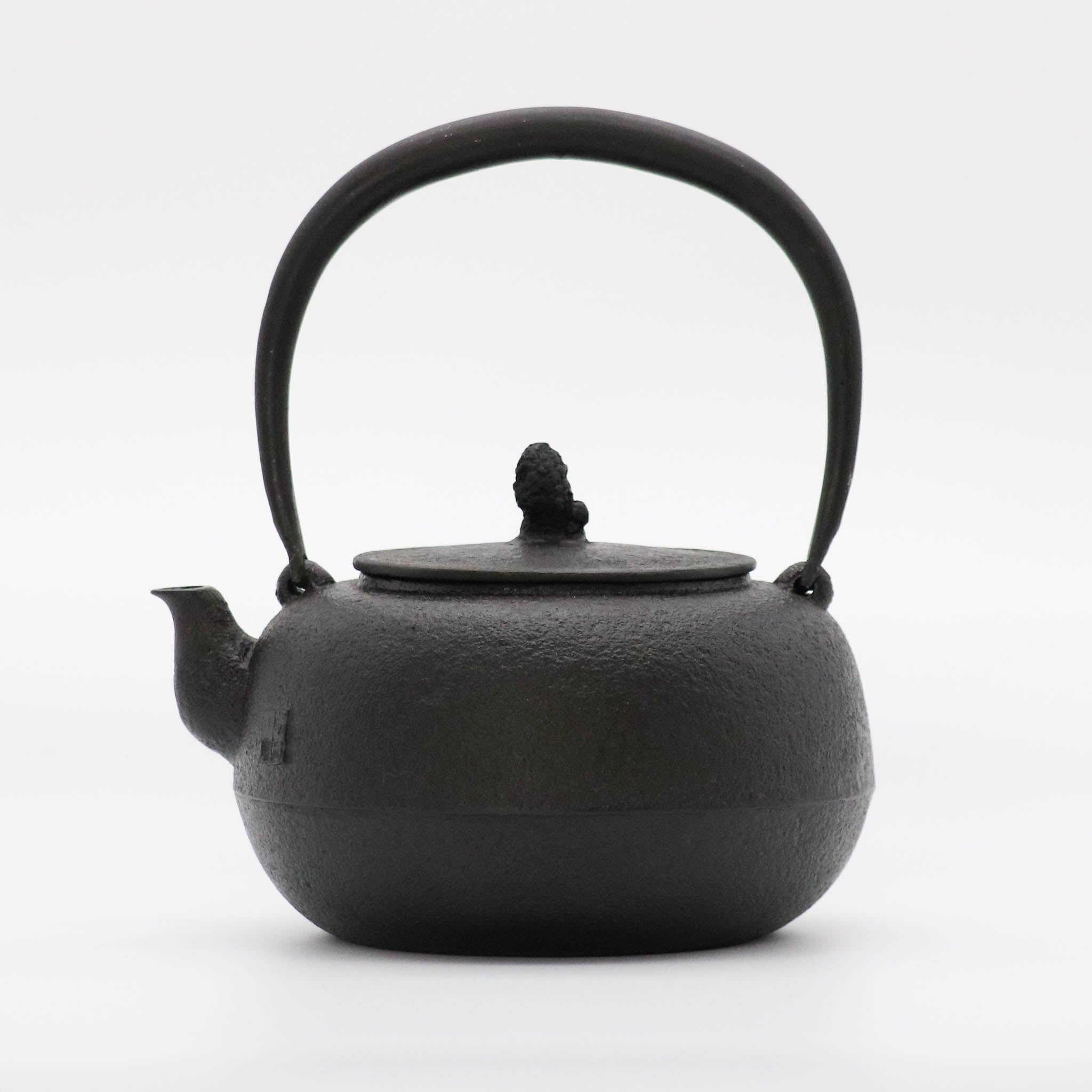
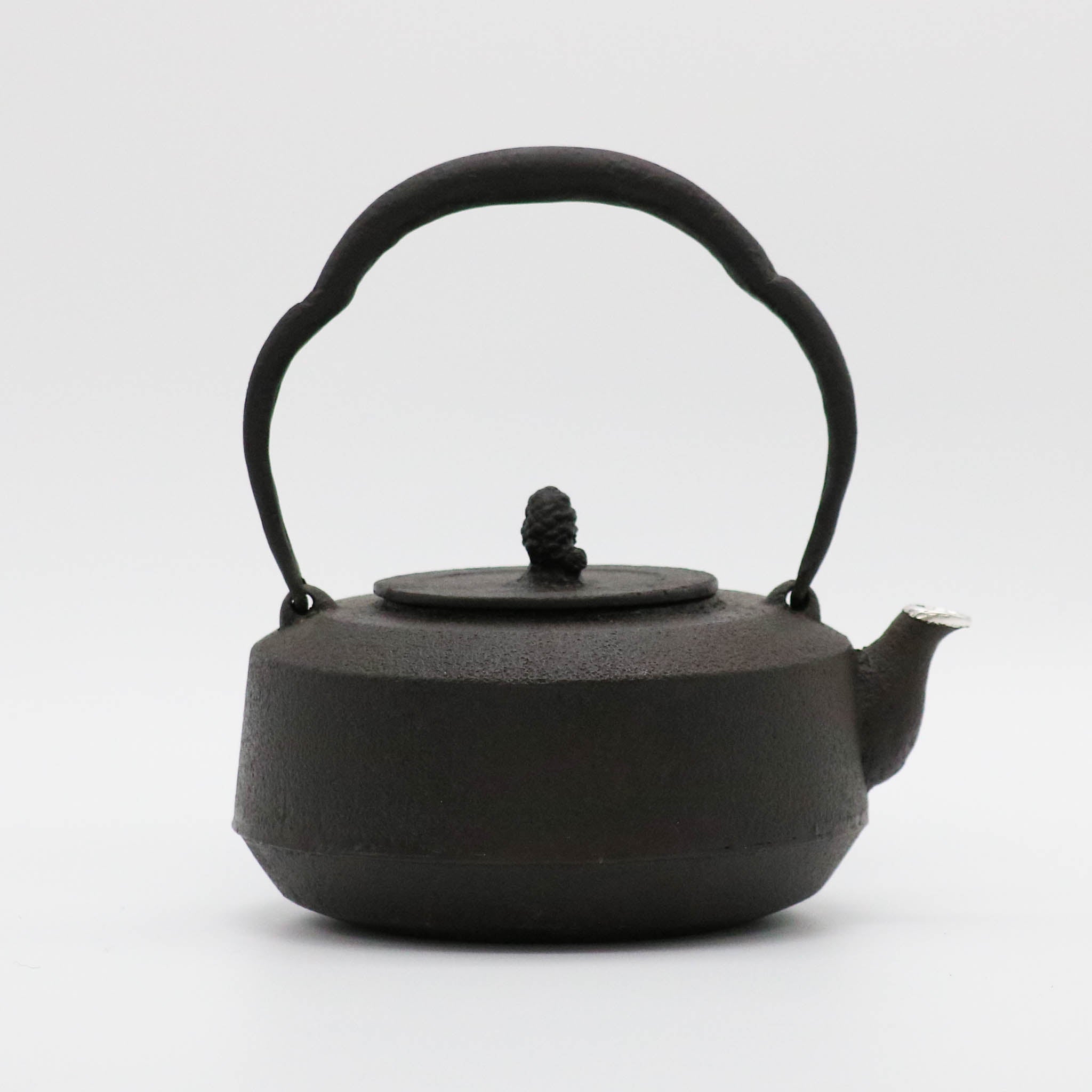
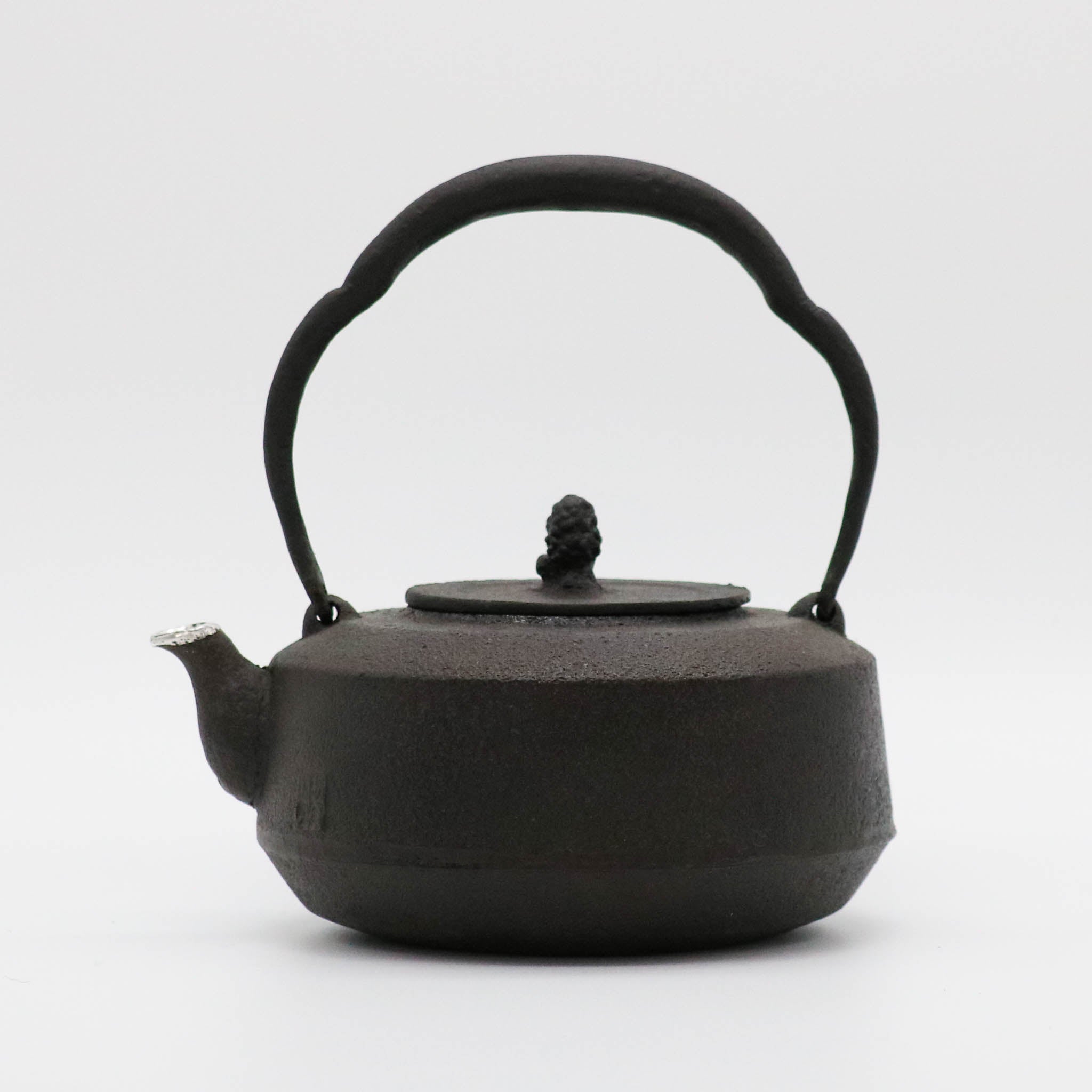
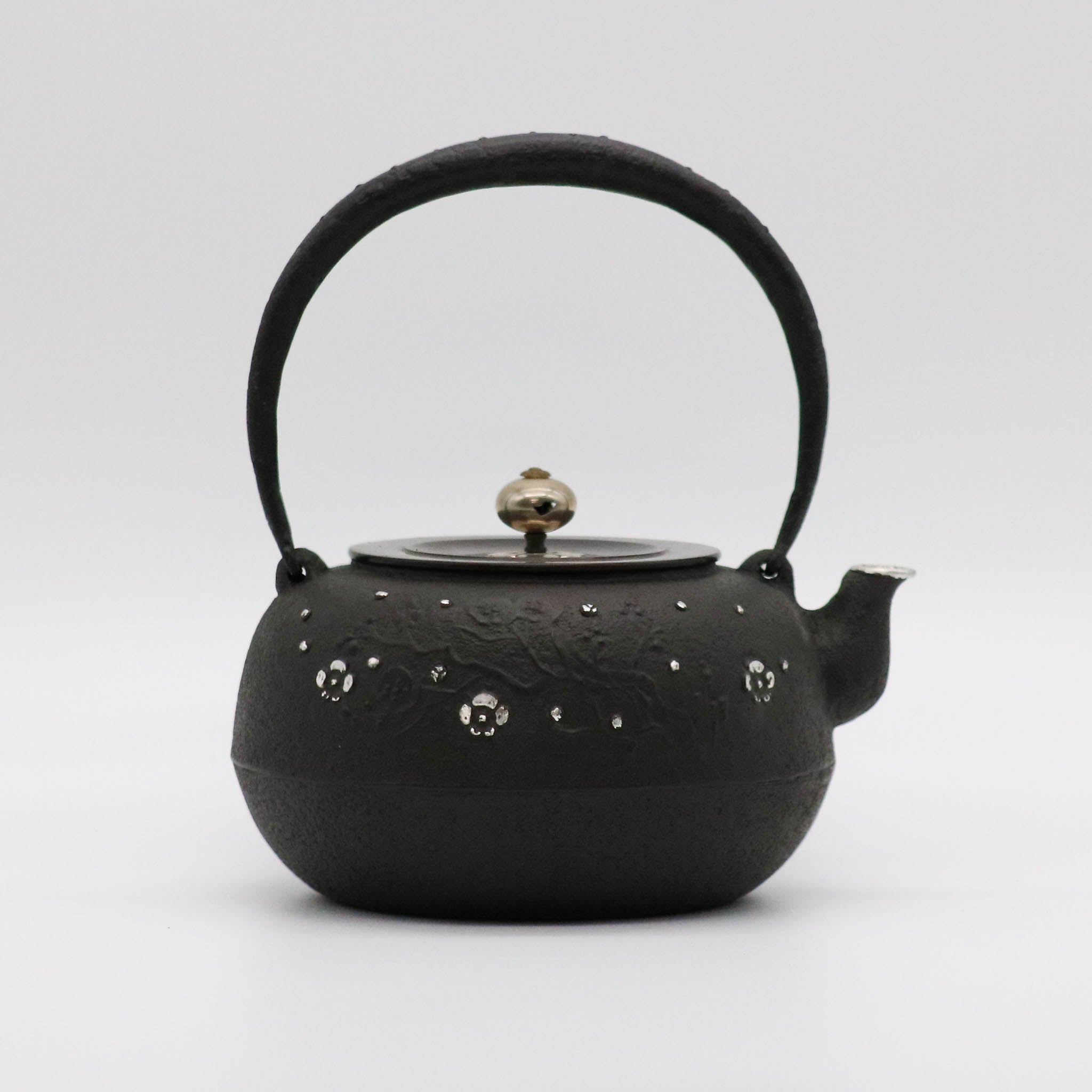
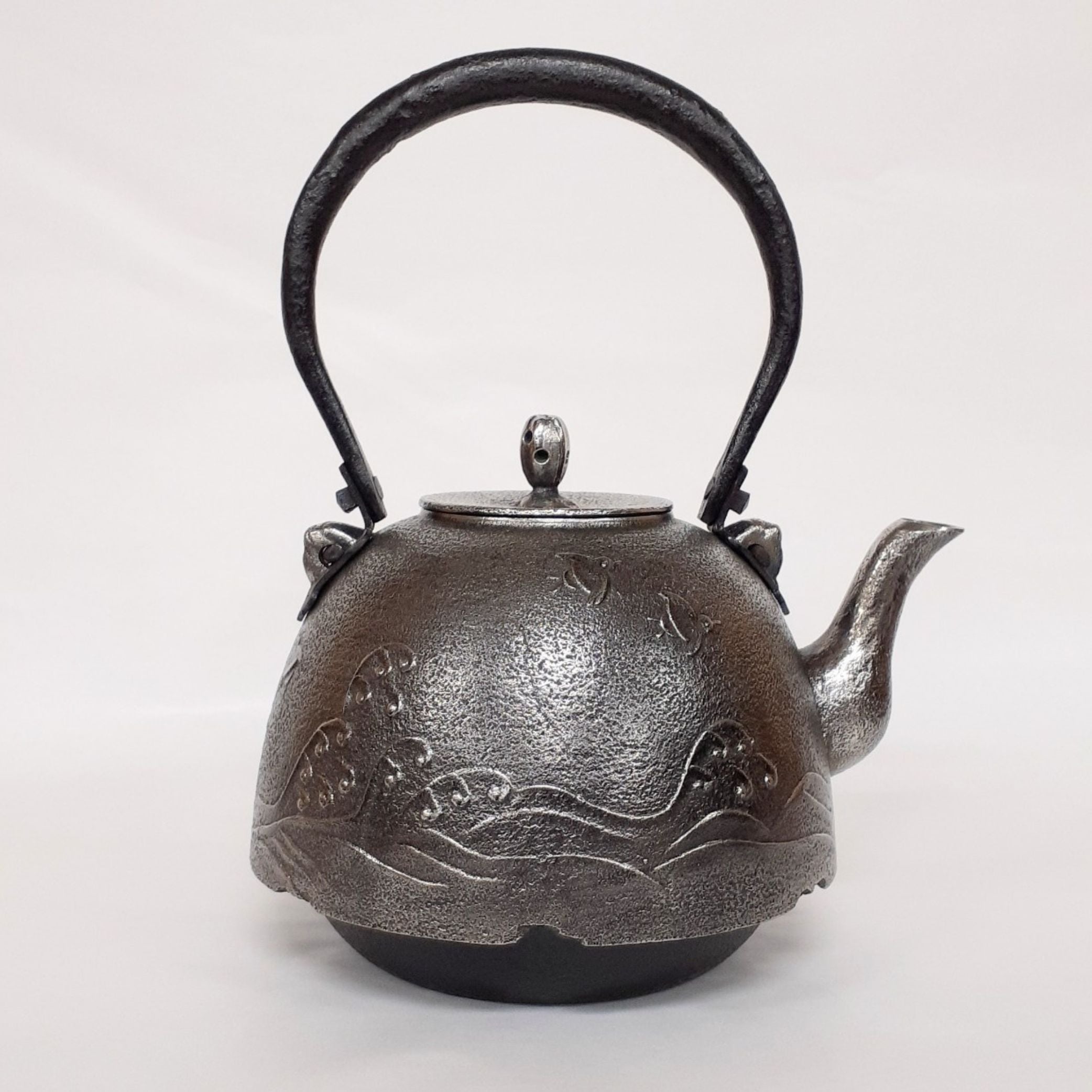
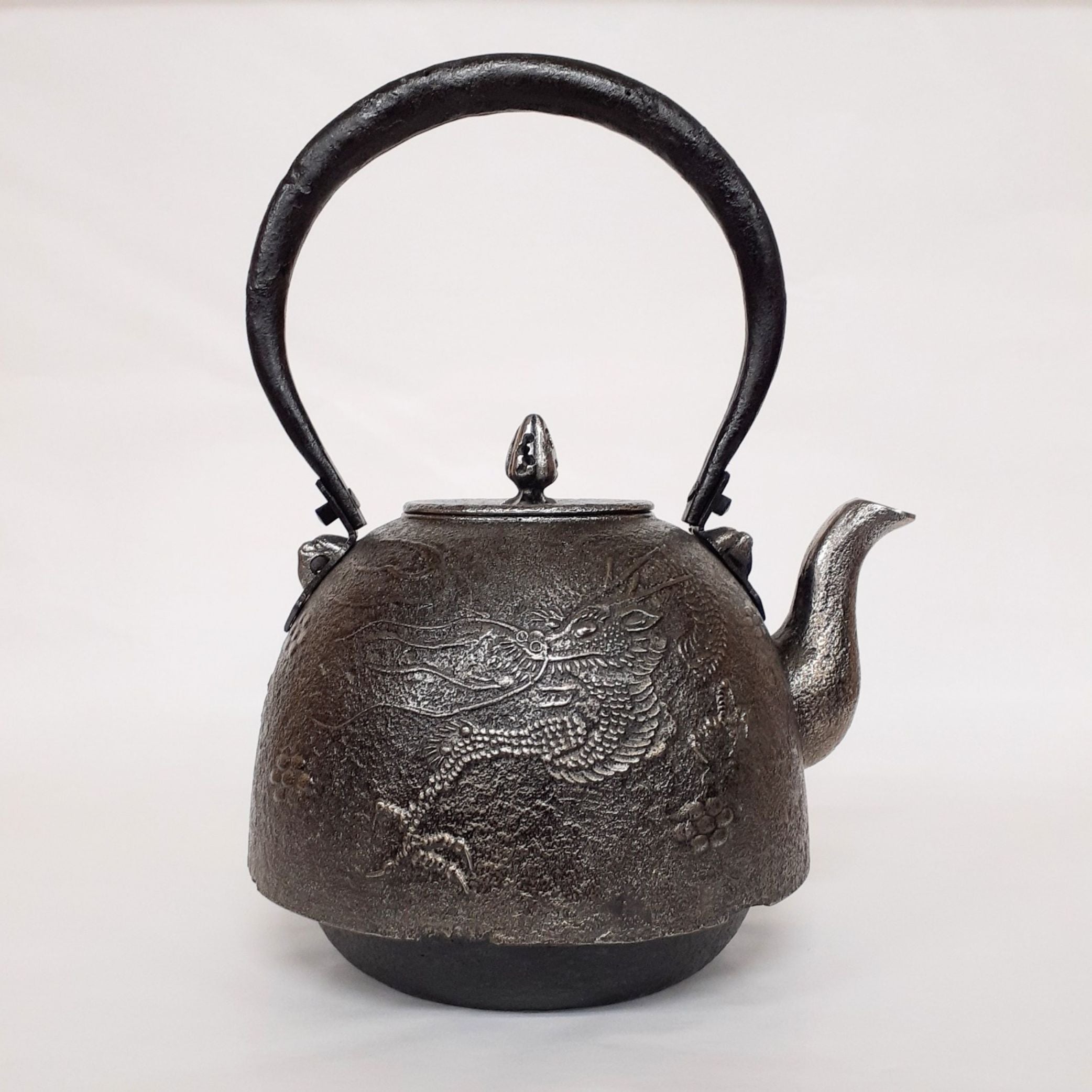
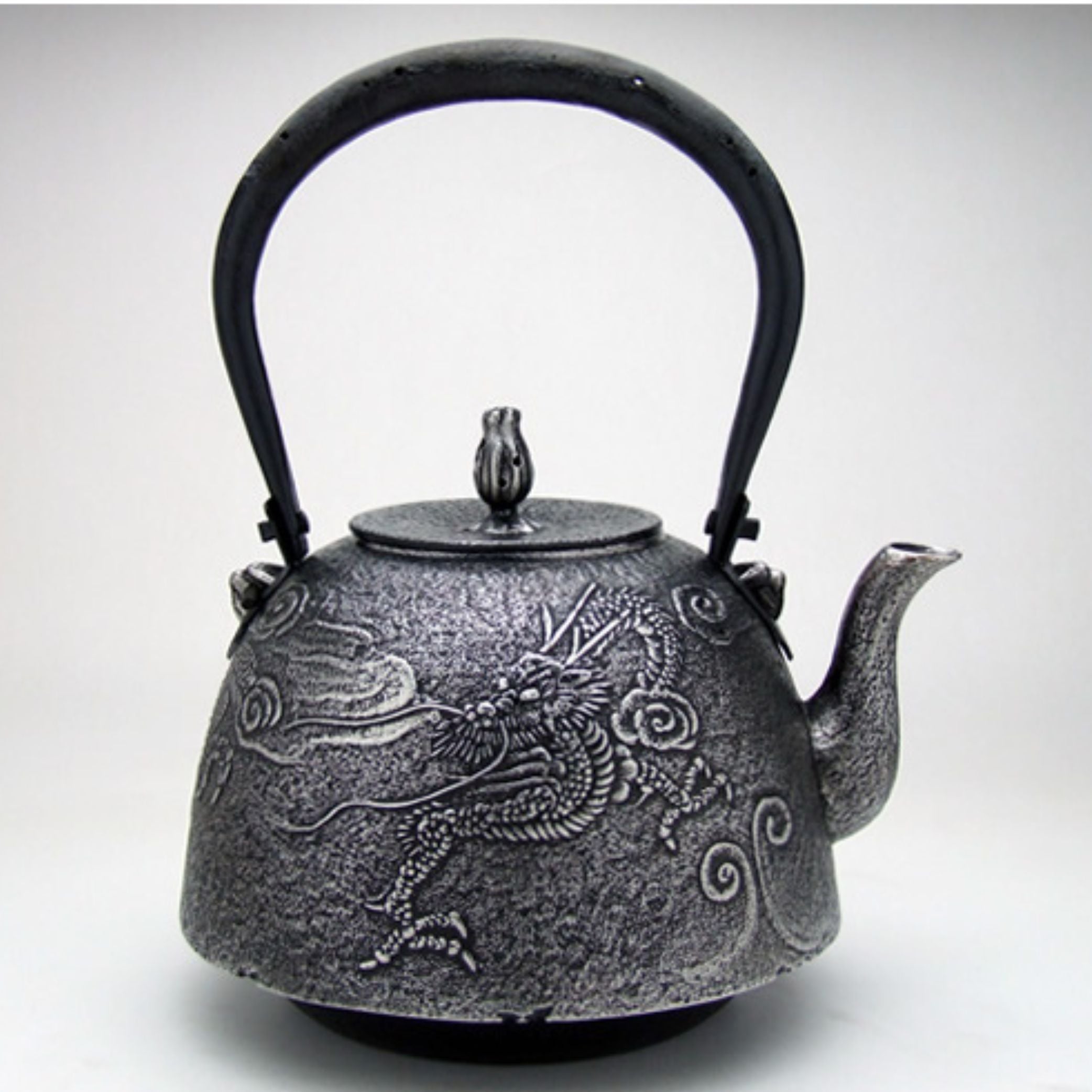
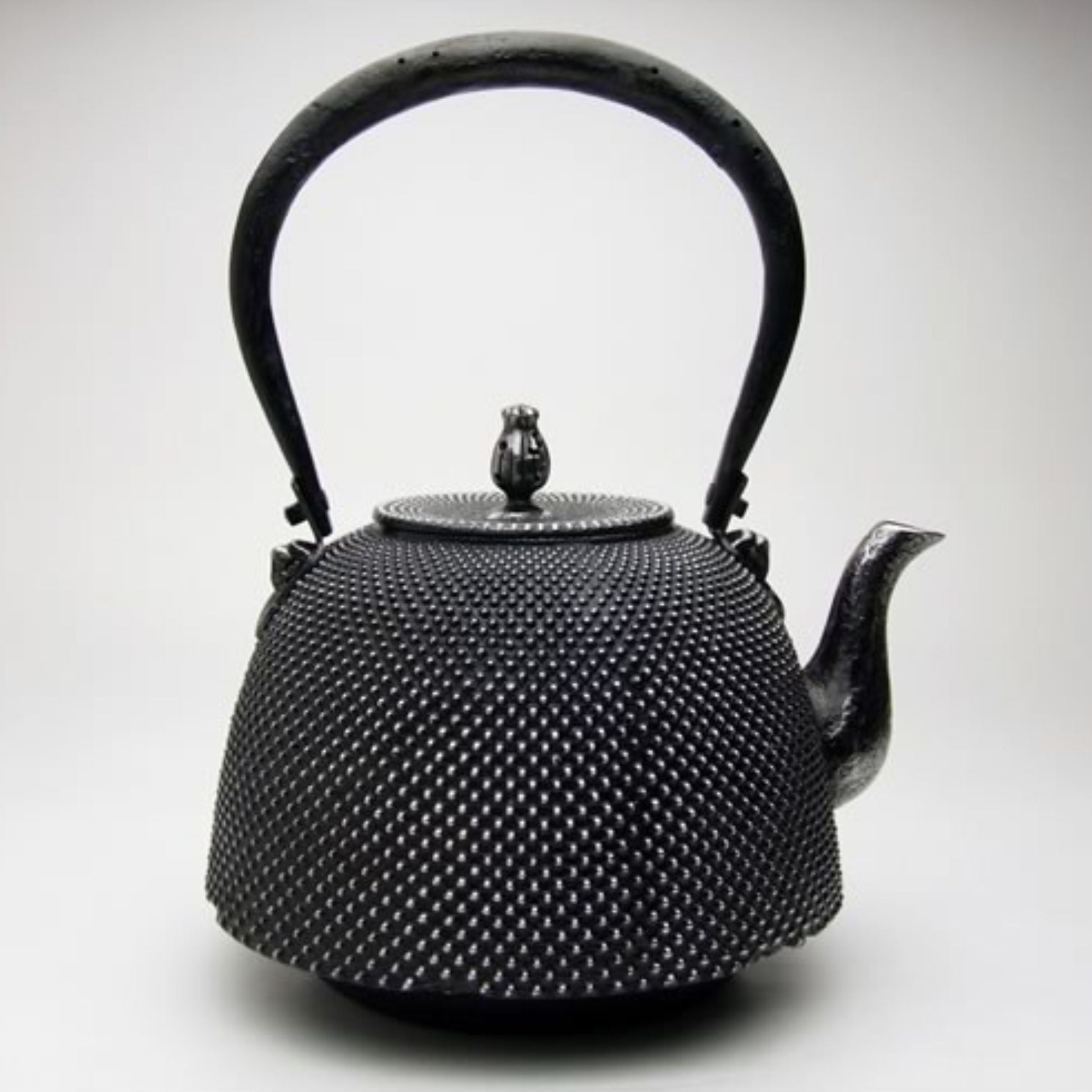
Iron kettle
~Product List~








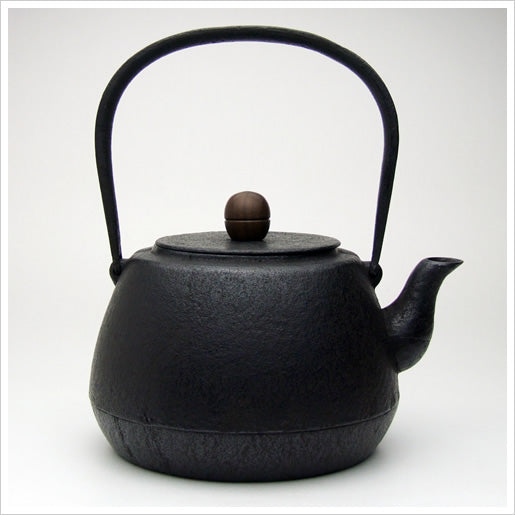


Frequently Asked Questions About Using and Caring for a Japanese Iron Kettle
For new or long-unused cast iron kettles, you should first "season" them. Briefly wash the kettle, fill it about 80% full with water, and bring it to a boil over medium heat. Repeat this process of boiling and discarding the water two or three times. It is recommended to wait until the water remains clear before using it for daily tea-making. This helps develop a uniform layer of mineral deposits and seasoning on the inside, making it less prone to rust.
After use, pour out or discard all hot water inside, remove the lid, and dry it using the residual heat or a low heat. Please be careful not to scrub the inside strongly with a sponge, scouring pad, or abrasive.
Also wipe off any water droplets on the outside with a dry cloth and avoid leaving it while damp to prevent rust.
If there are only a few small red spots and the boiled water remains clear without a noticeable metallic iron smell, it is generally considered safe to continue using it as is.
However, if rust has progressed to the point that the water becomes cloudy or develops a metallic iron smell, follow these steps to address it:
1. Gently rinse the iron kettle and lightly scrub the rusted areas with a scouring pad (but do not scrub the inside too vigorously).
2. Fill the kettle about 80% full with water, add sencha tea or used tea leaves, and simmer over low heat for about 20–30 minutes to promote a reaction between the tea’s tannins and the iron (a process known as “kin-ki-dome” to neutralize the metallic taste).
3. Afterward, boil the water; if it becomes clear, the process is complete. If the condition does not improve or if there are serious issues such as holes, consider having it repaired by the manufacturer in its place of production.
If reddish-brown rust spreads inside and causes noticeable issues during use, such as “cloudy boiled water” or a “noticeable metallic smell,” it may be necessary to consider professional repair (such as re-seasoning or replacing the bottom), as these problems cannot be fully addressed with routine care.
It is also a good time to seek maintenance if the kettle does not return to normal after being left unused for a long period.
- Avoid scrubbing the inside: Removing the oxide film and mineral deposits can make it easier for rust to form.
- Boil only as much water as you need, and do not leave the kettle filled for extended periods. Leaving water inside can cause rust.
- Dry thoroughly: To maintain its condition, dry the kettle using residual heat or a low flame before storing it.
- Form a white film of mineral deposits: It is said that allowing a white film to build up on the inside can help prevent red rust.


