
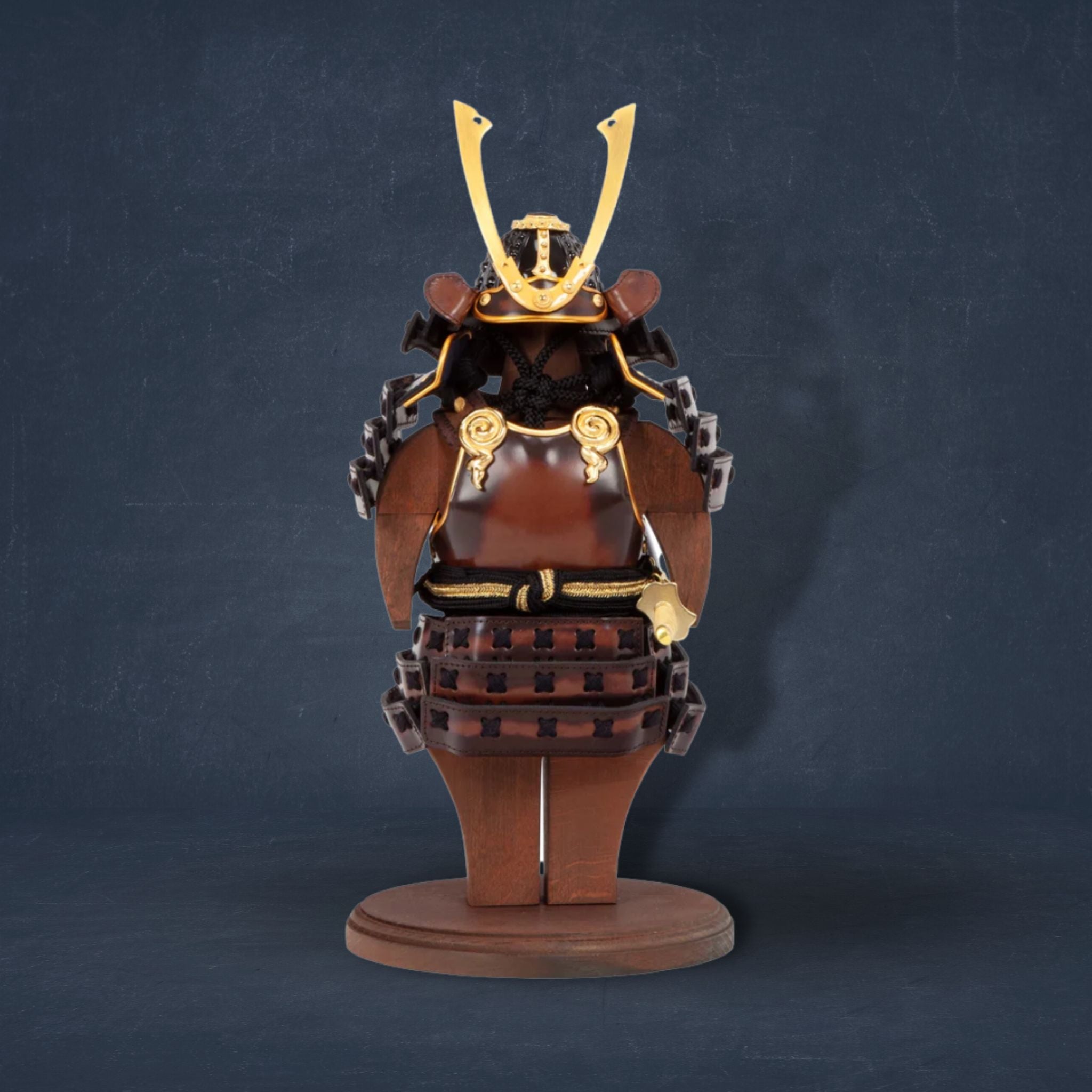
Suzuka Go Yuzan
Edo Seasonal Festival Dolls

Armor Crafted with a Century of Artisanal Spirit, Displayed in the Here and Now
Suzokoshi began over 100 years ago in the Meiji era. It started with artisans making accessories for May festival dolls. At that time, they primarily made military equipment, such as drums, bows, and longswords. From there, they expanded their production to armor, honing and passing down their techniques as armor makers for four generations, continuing to this day.
Among their specialties is armor that realistically recreates authentic historical armor. They have recreated armor that history and armor enthusiasts, and even those who are not, have surely seen at least once, such as the helmet of Date Masamune, designated as an Important Cultural Property, and the red-thread-bound armor of Minamoto no Yoshitsune, designated as a National Treasure.
This was not an era when images could be easily obtained on the internet as they are today. It is said that they visited the treasuries of temples and shrines where armor was kept, observed the designs, construction, and colors, made numerous sketches, and recreated them.
The techniques honed there are also reflected in the armor of May festival dolls. Pursuing realism, the armor, reduced to one-third or one-sixth of its original size, is crafted to a high level of perfection from every angle. Created by five traditional craftspeople, each utilizing their respective areas of expertise, the armor exudes a presence beyond that of a May festival doll and attracts considerable attention.
Modern Seasonal Festival Dolls Shaping "Aspiration"
“Seasonal festival dolls are symbols of aspiration,” says Yu Yamato, the fourth-generation head of Suzokoshi. Originally, the culture of displaying dolls for the seasonal festivals of May began in the Edo period. It is said that townspeople, admiring the custom of making armor for the eldest son to wear at his first military campaign, began providing armor for their own children as well.
Times have changed, and the aspiration to own May festival dolls has faded. “Even so, I want people to feel that same joy and sense of fulfillment that comes from buying a doll somewhere, the feeling of having an aspiration met,” Mr. Yamato says.
Dolls that match the aspirations of today. These are embodied in the antique-style “Armadura” series made from cowhide and the “Tango Samurai,” which features armor in natural colors fitted onto wooden dolls with visible wood grain.
While adapting to diversifying needs, these modern seasonal festival dolls still convey a sense of profound weight and captivate all who see them. Mr. Yamato’s passion for armor and his desire to “bring some kind of surprise every year” may be creating a new form of aspiration that resonates with today’s lifestyles and values.
Buyer’s Voice From Representative Matsuzawa
A Fourth-Generation Traditional Craftsperson Seeking a Way Forward Amidst Changing Times
The seasonal festival doll industry is extremely harsh. Dolls are considered specialty items and are sold only during a certain period. Moreover, armor making is a comprehensive craft. It requires high levels of skill in metalworking, leatherwork, braided cords, and more, so it cannot be made entirely by one person. Specialized artisans make various parts through division of labor, which are then assembled. As large May festival dolls have become harder to sell, the number of artisans making parts is gradually decreasing.
I met Mr. Yu Yamato through an introduction from someone at the workshop with whom I had jointly developed the “SAMURAI holder” business card case announced through crowdfunding. This project also began from a desire to create new demand in the shrinking doll industry.
Mr. Yamato also felt a sense of crisis as the workforce aged and the number of artisans dwindled. “As artisans who make parts disappear, the number of parts we have to make ourselves has increased considerably,” Mr. Yamato said. That is precisely why I felt a strong sense of empathy for Mr. Yamato, who is exploring what he can do in the present day, seeking a way forward, and taking on various challenges.
“I am making what I want and what I want to make. It is hard, but it is fun.” These are the impressive words of Mr. Yamato, who is moving aggressively to overcome the difficult times in the doll industry. By enjoying the work himself and listening to the voices of young people and women, he creates new “aspirational seasonal festival dolls.” If “fun” is at the foundation of this, even more interesting things will surely emerge. I look forward to seeing what will come next.
Japan Crafts YouTube / Craft Innovator Interview
Japan Crafts Collaboration Talk
【Japan Crafts Collaboration Talk vol.5】On the New Possibilities of Armor Reflecting the Times
Edo Seasonal Festival Dolls Co., Ltd. Suzokoshi, Fifth-Generation Yuichiro Suzuki
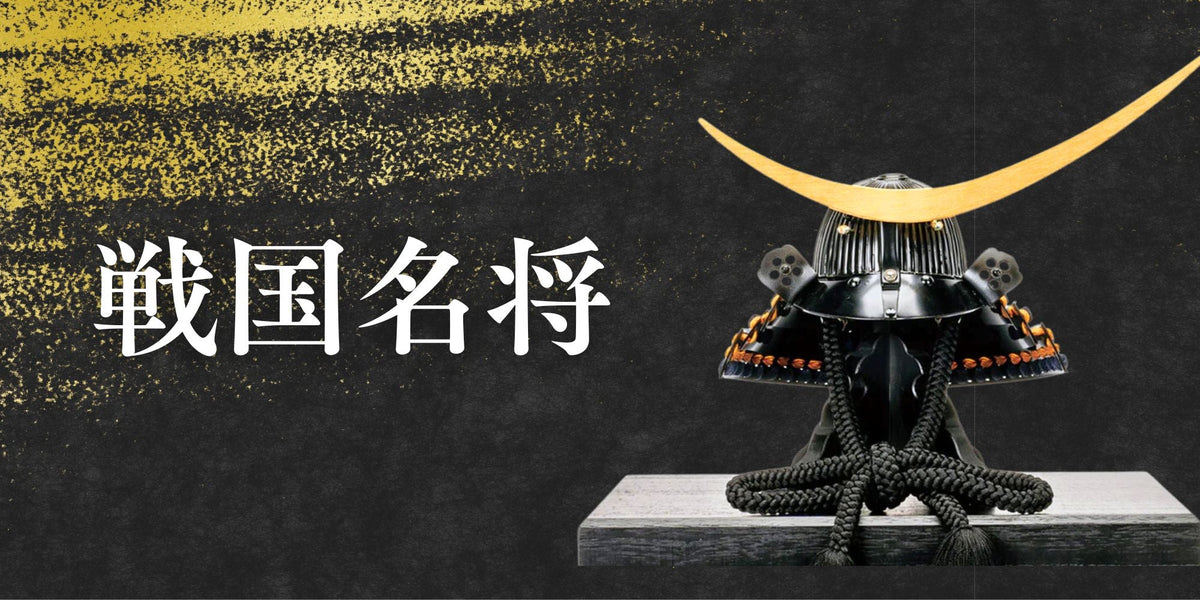
A full lineup of popular Sengoku warlords
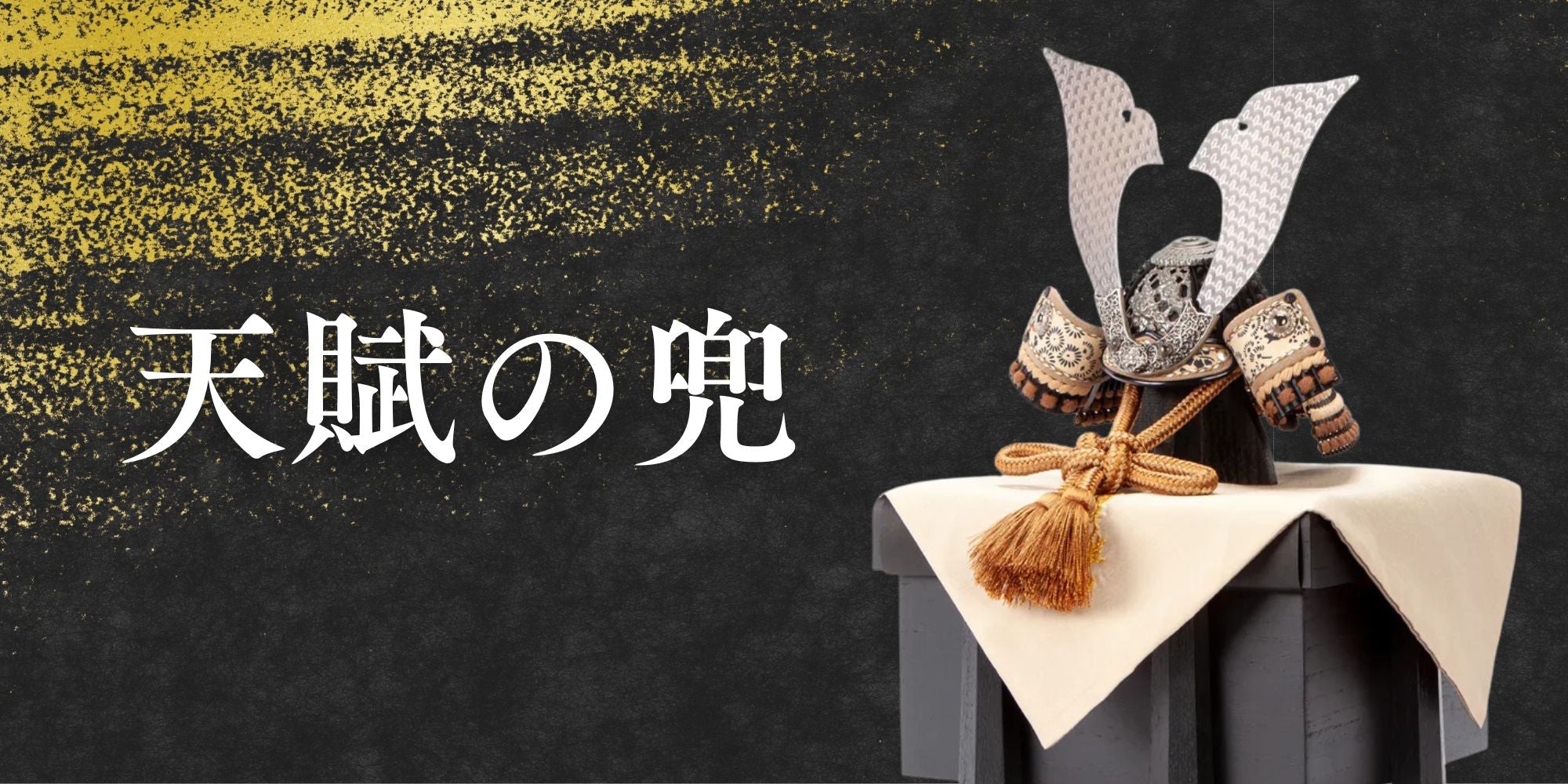
Natural modern tansu decoration
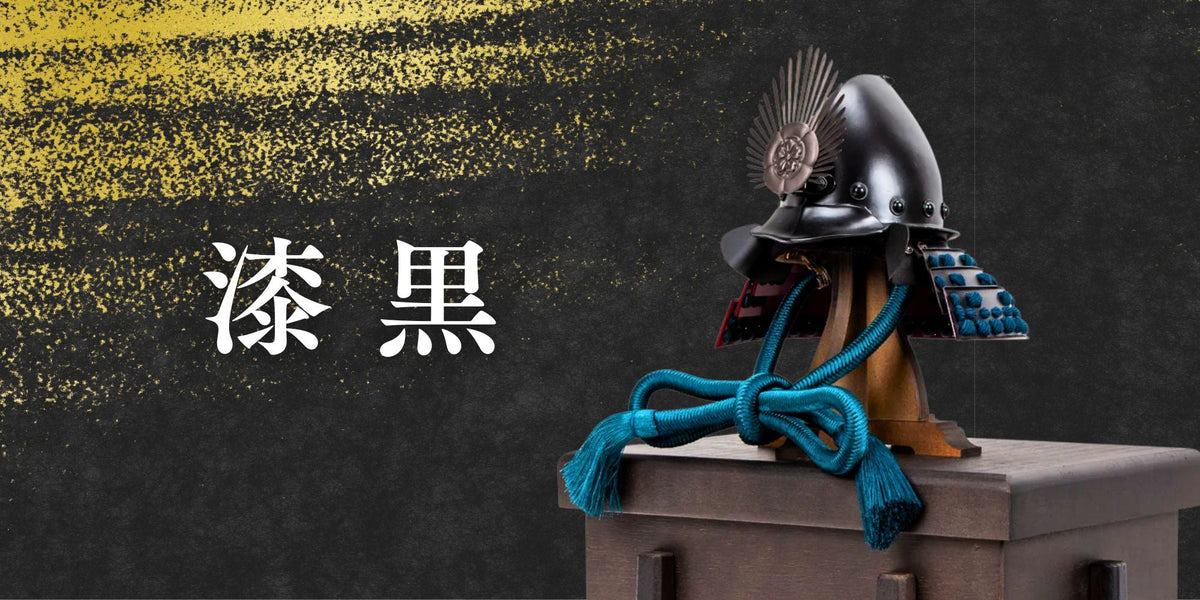
A luxurious, sophisticated jet black
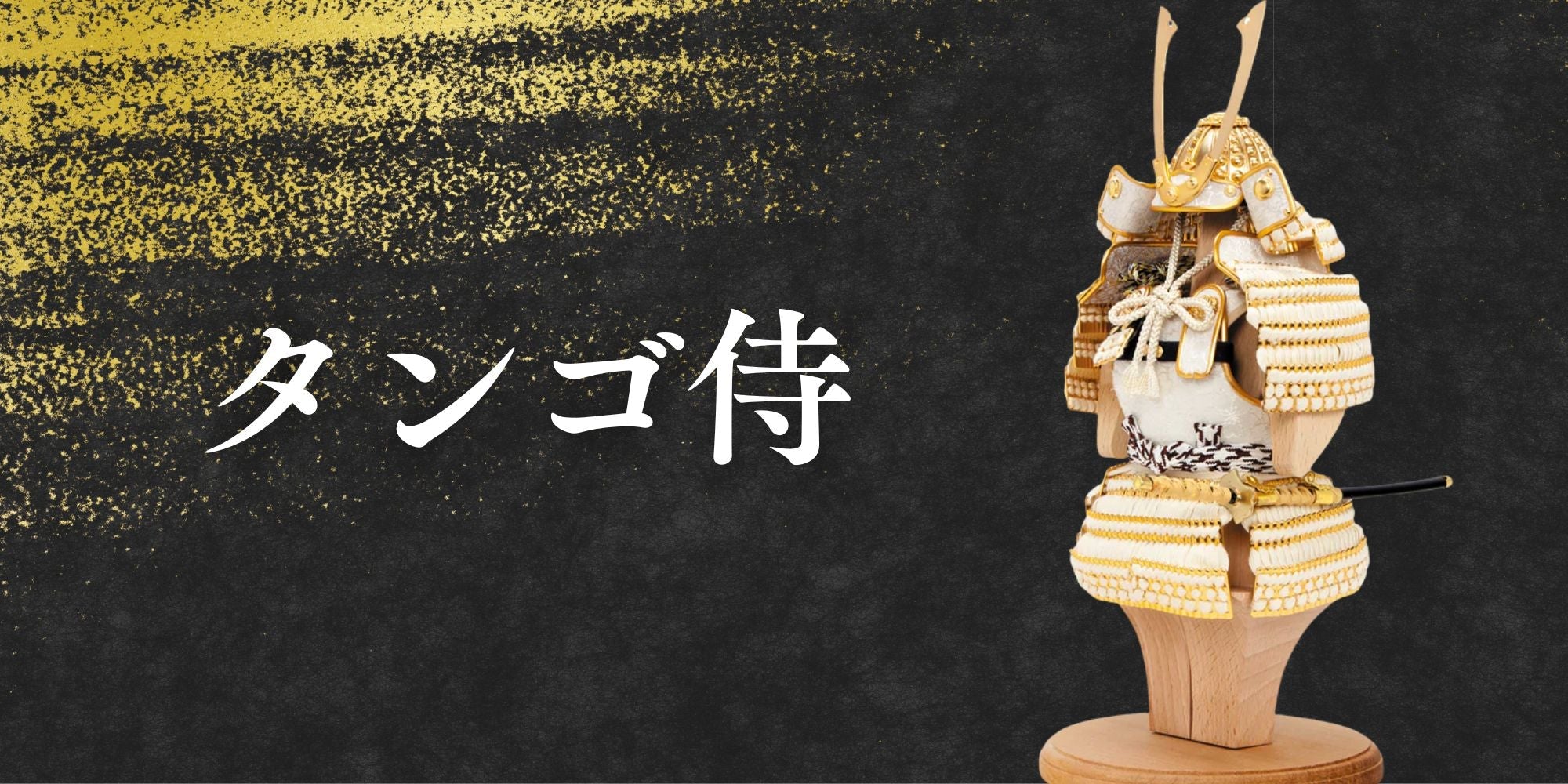
A calm, compact standing figure
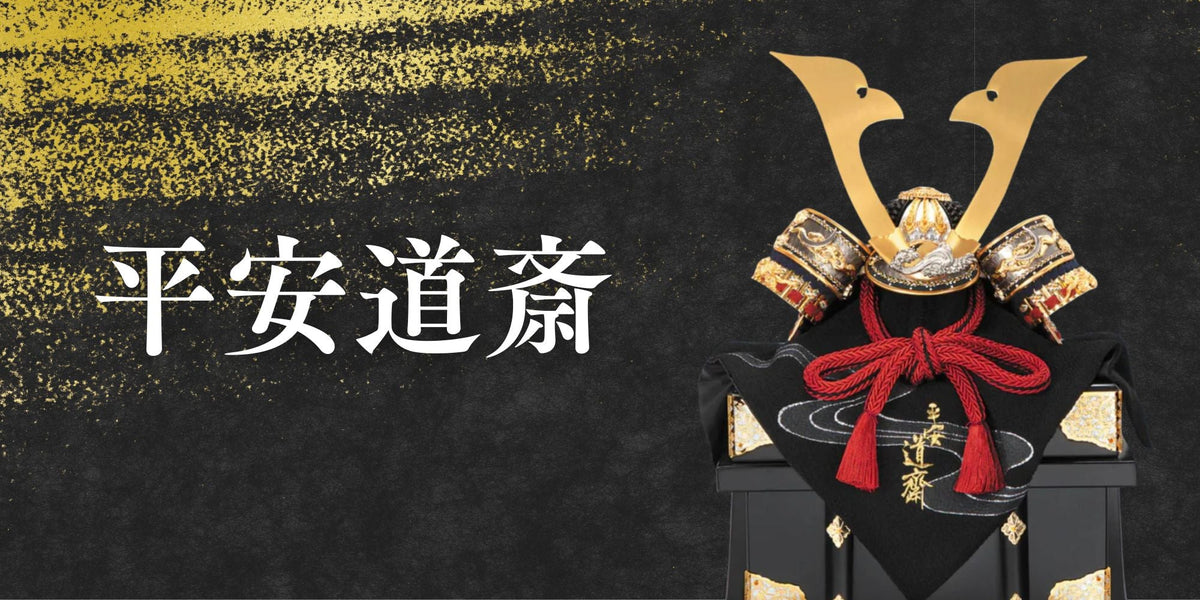
Supreme-Grade Samurai Helmet with Pure Gold Leaf Embossing
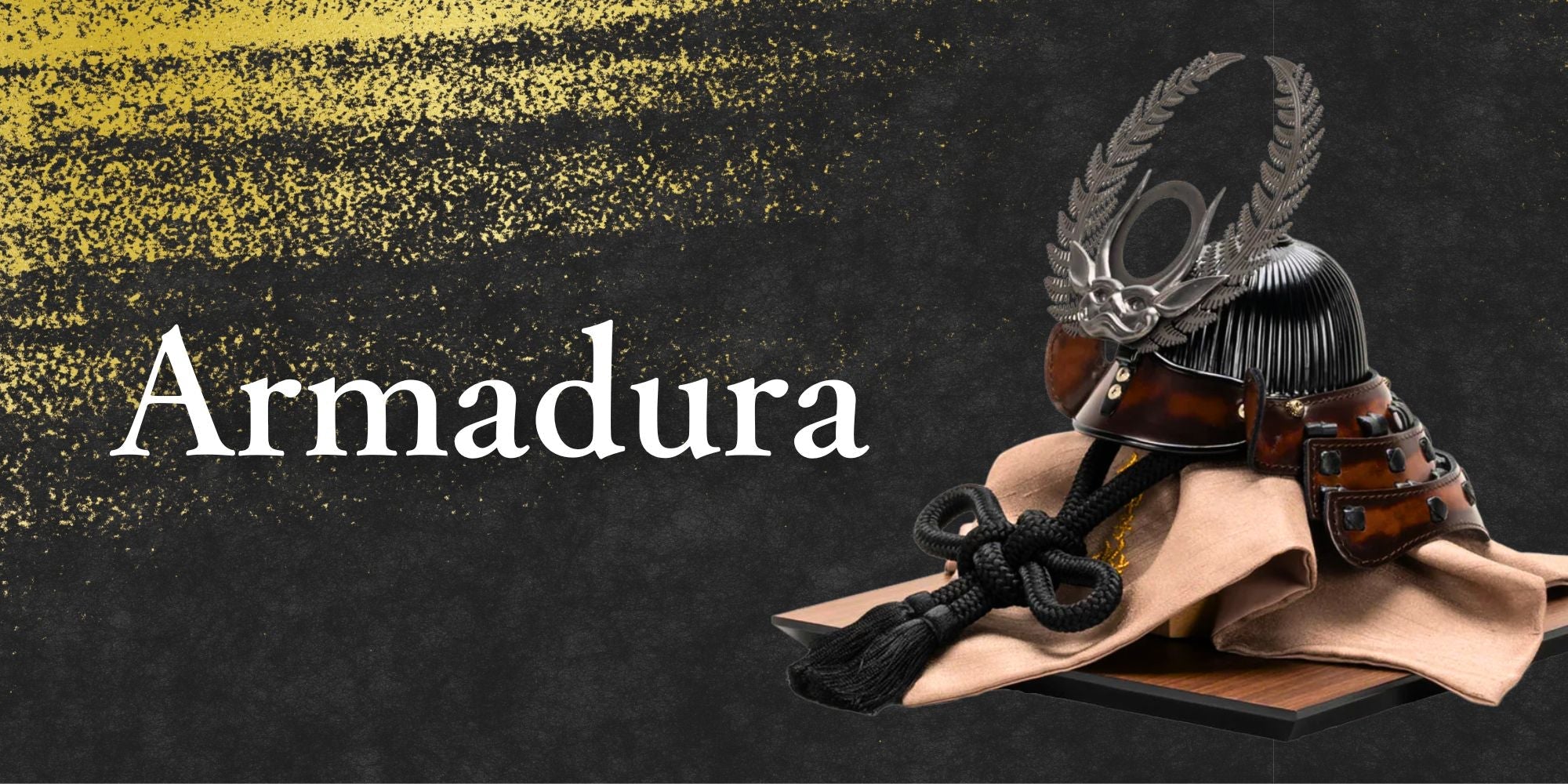
Antique-style cowhide armor
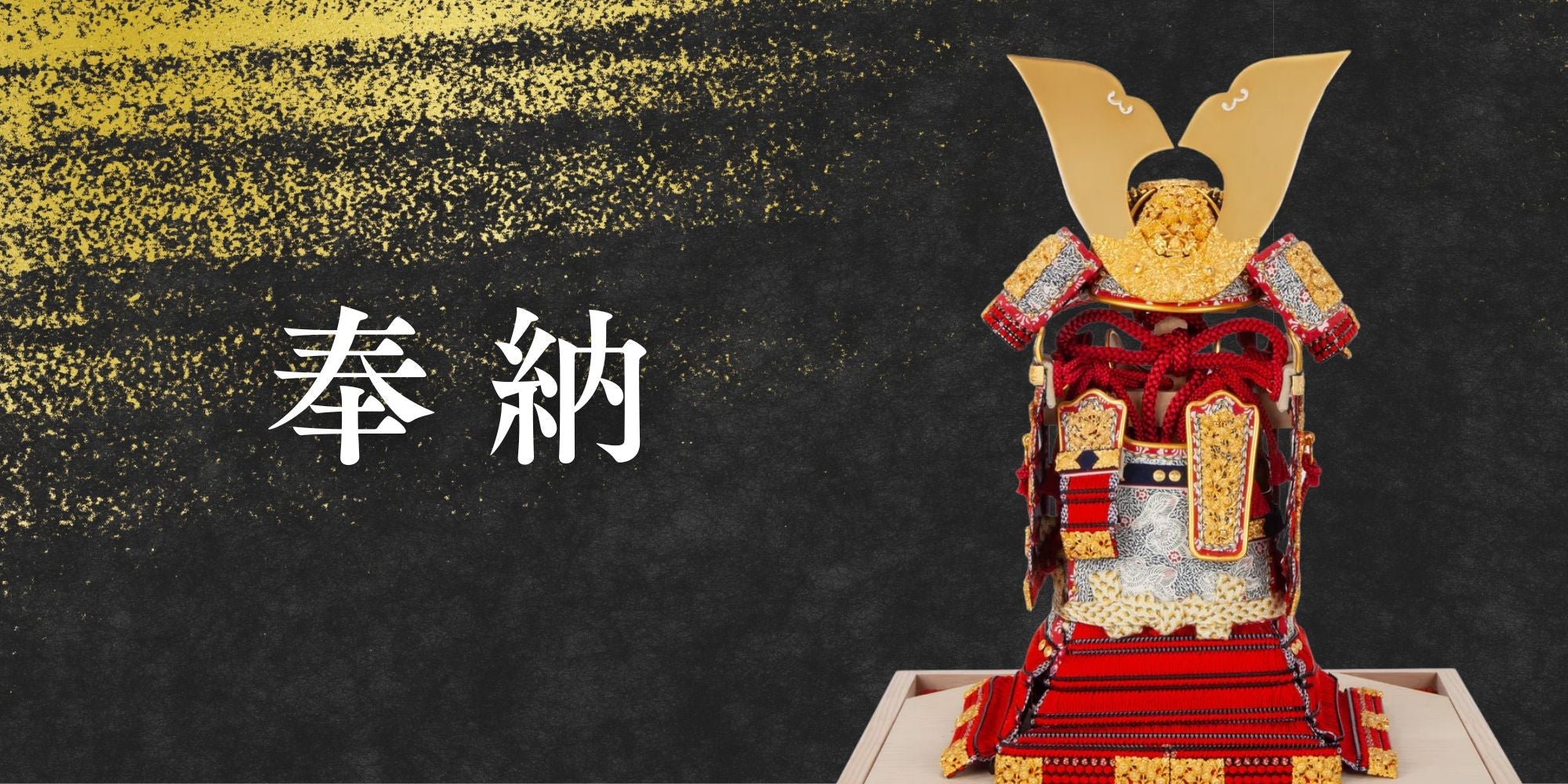
Facsimiles of National Treasures and Important Cultural Properties Throughout Japan
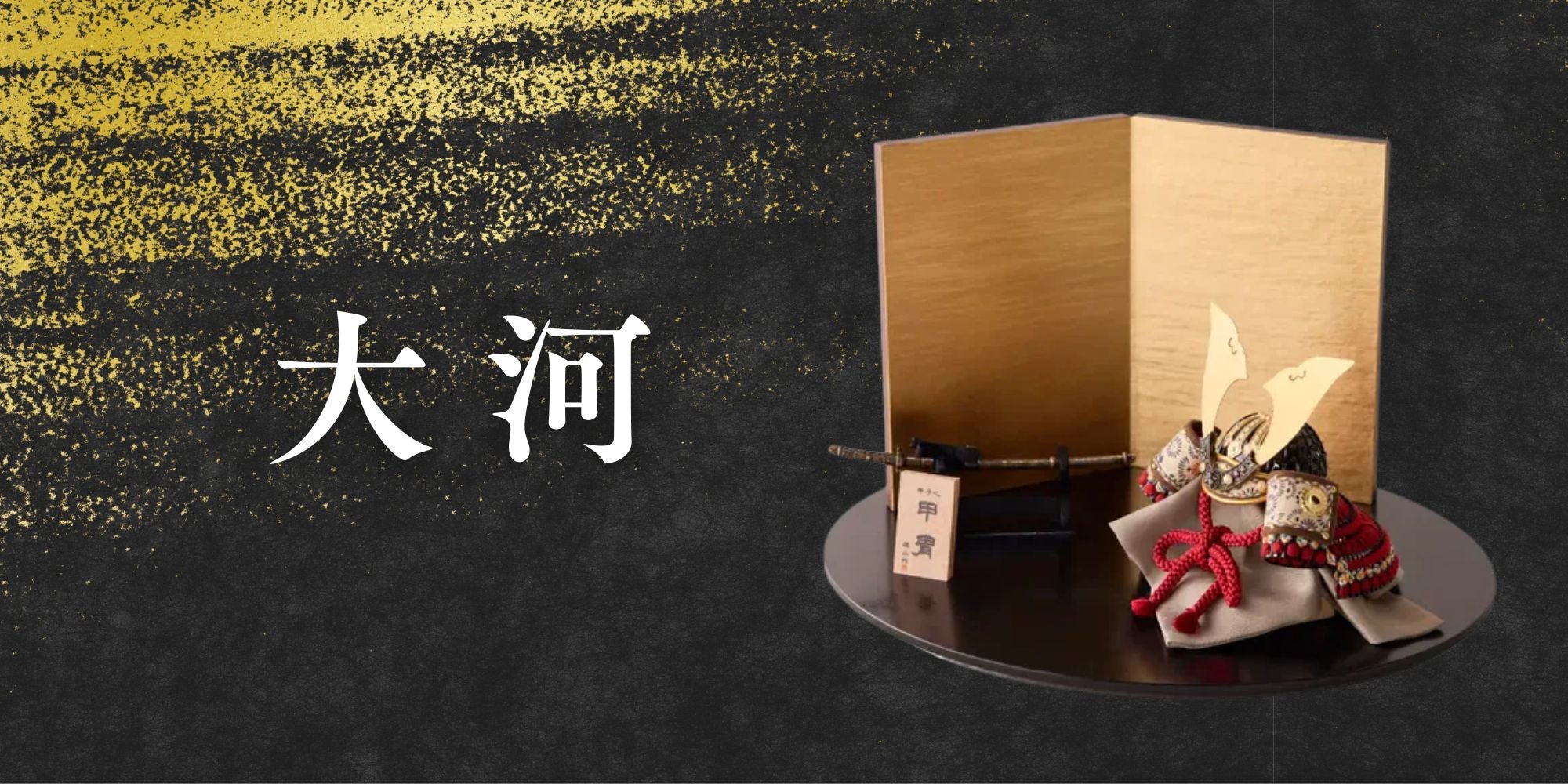
The most compact suit of armor and helmet in Suzouko history
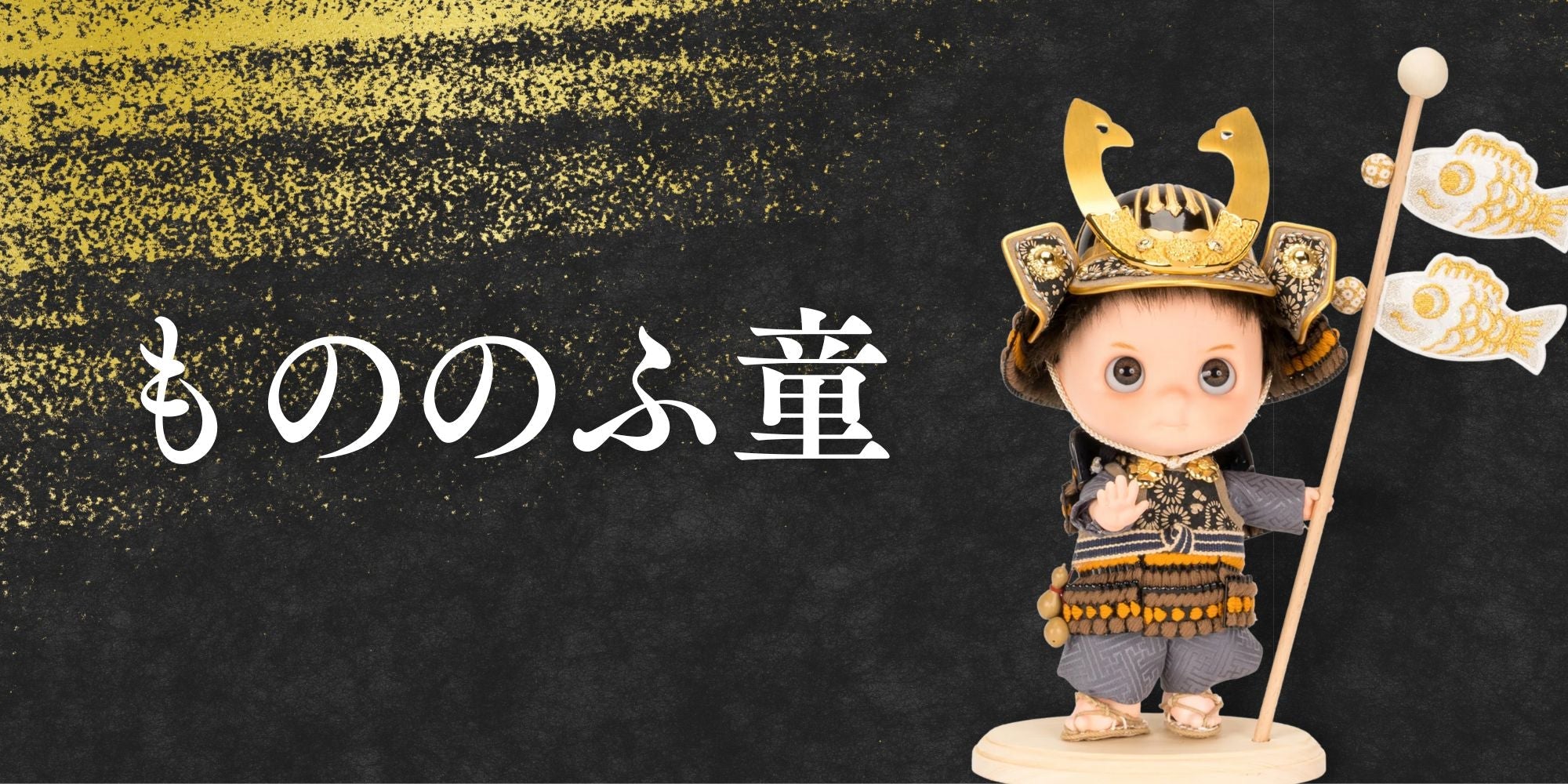
Adorable Child Chef
