
Crafts and Tea Utensils | Iron Kettles, Teapots, Tea Caddies, and Teacups
 The richness found in a cup of tea calms the mind and brings people together. Iron kettles, teapots, tea caddies, teacups—the wisdom and aesthetic of traditional craftsmanship deepen the flavor of the tea and the moments you spend enjoying it.
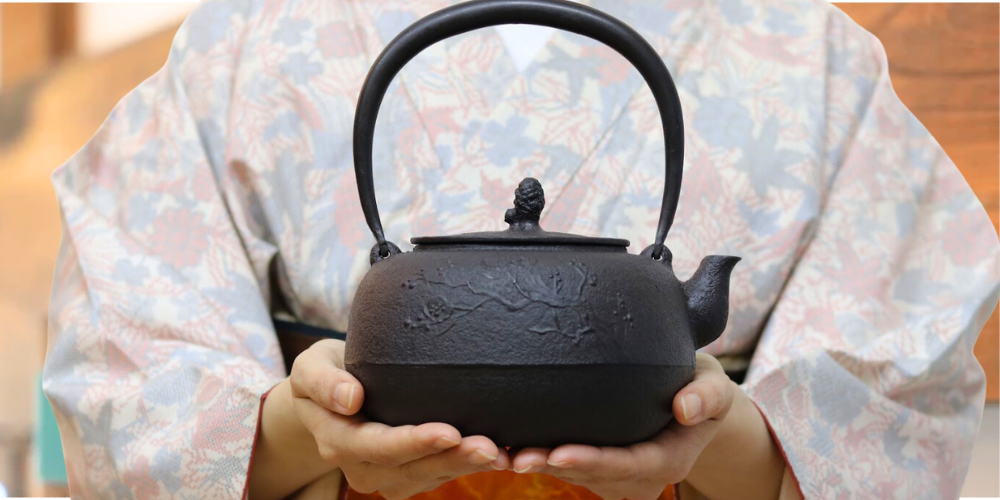
Helps replenish iron and makes hot water taste milder.
Iron kettle (a tool for conditioning the water)
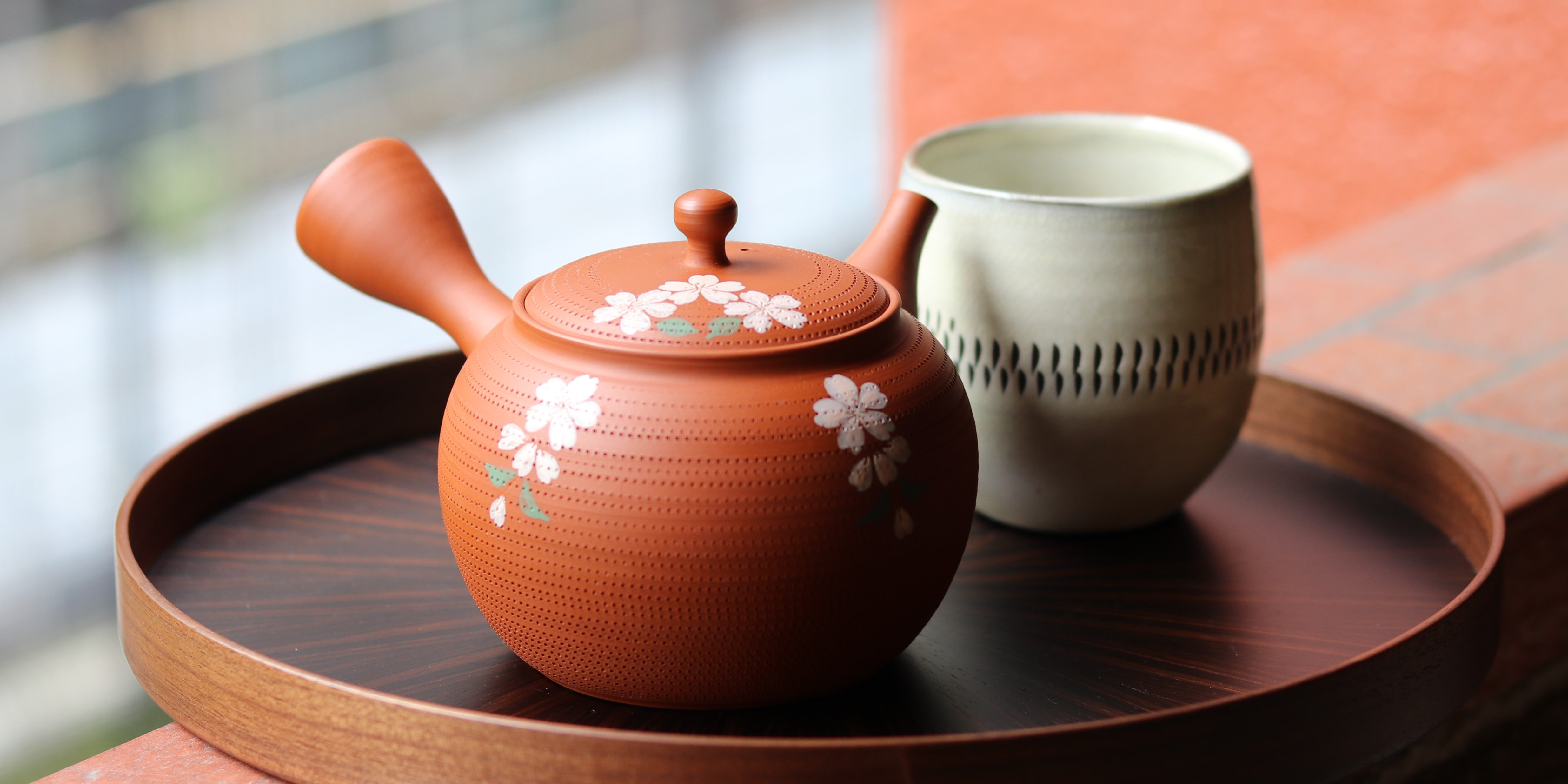
The happiness of brewing delicious tea
Kyusu (teapot)
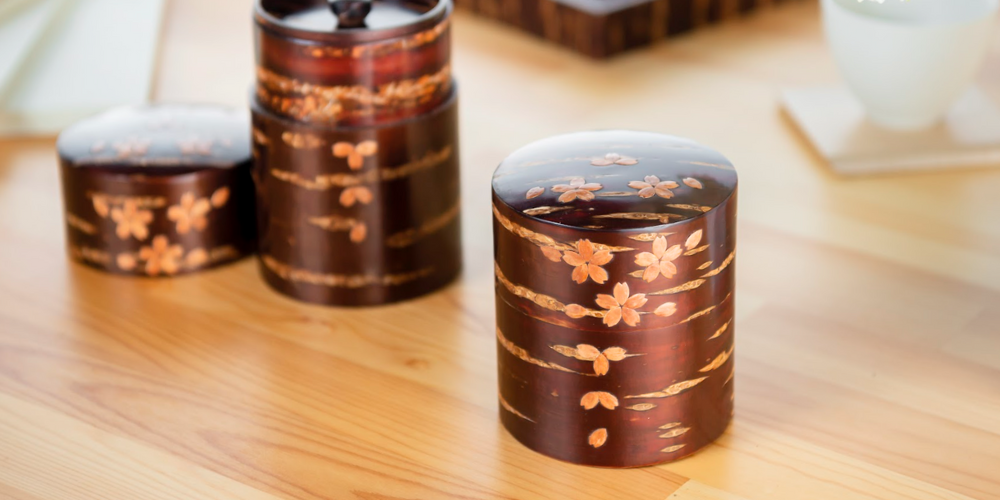
Don't miss the original aroma of the tea leaves.
Tea Caddy (A Vessel to Preserve the Aroma)
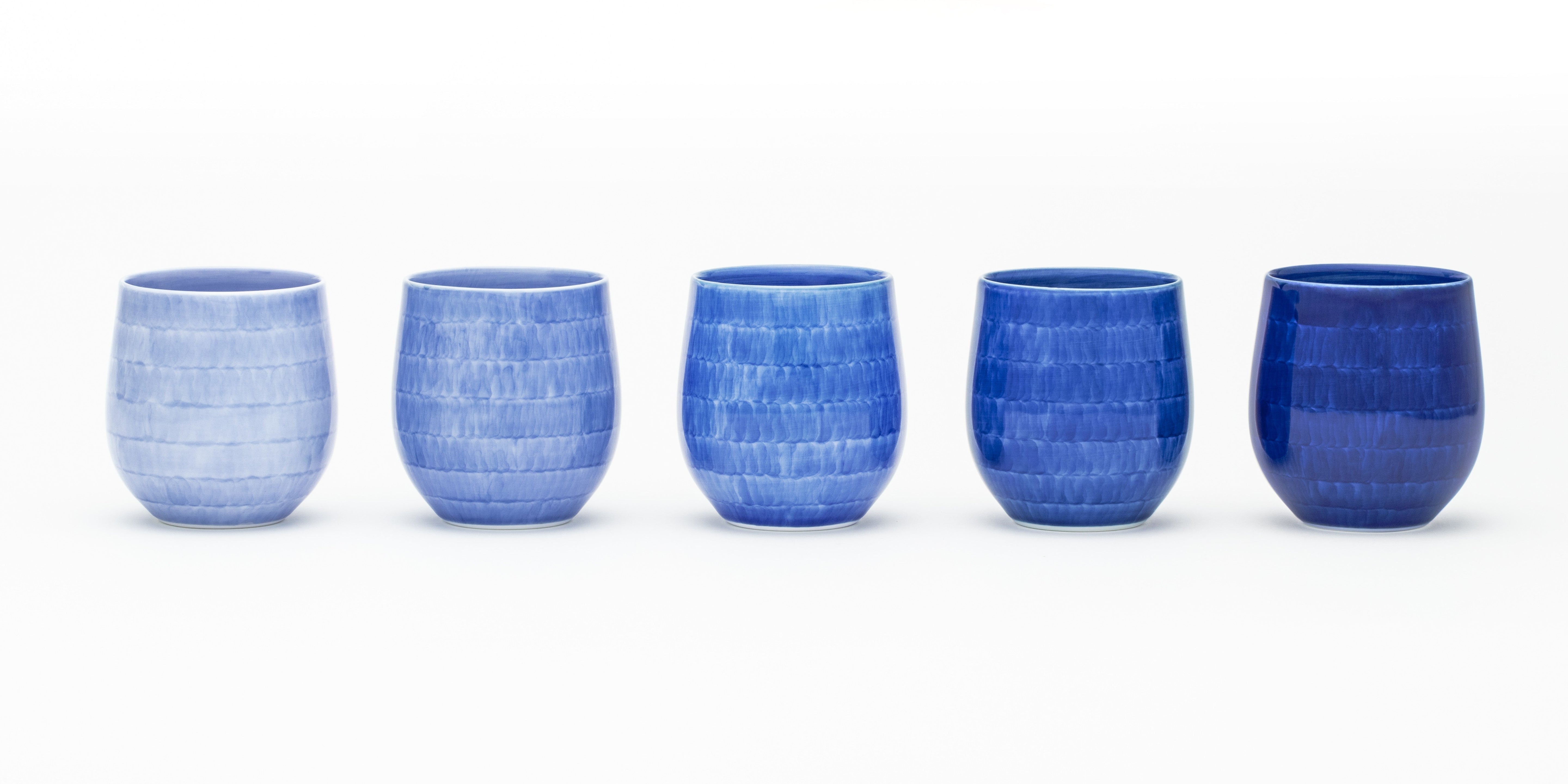
A companion for your moments of rest.
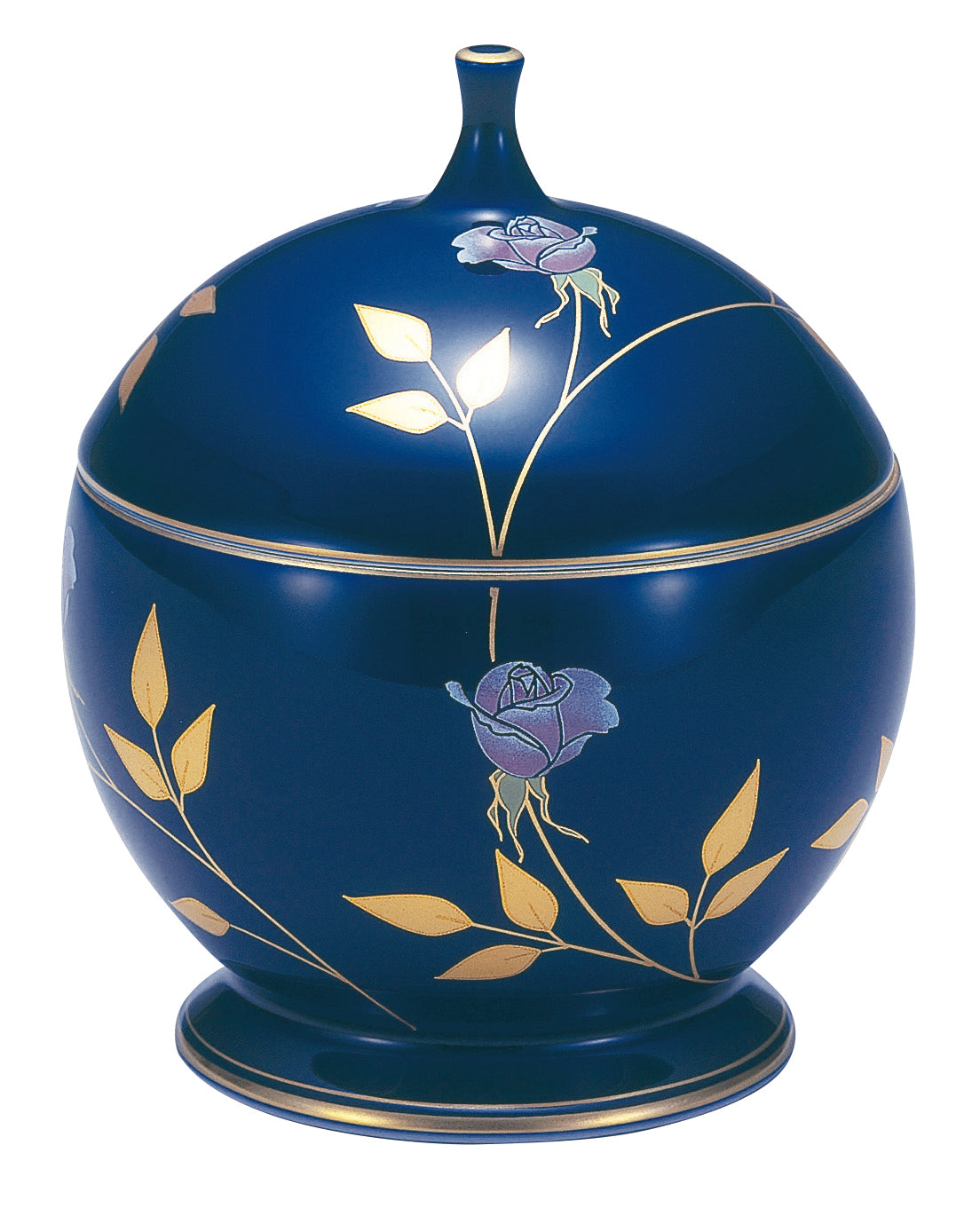
Yunomi (a cup for savoring tea)
Column
Why does tea taste better when boiled in a cast-iron kettle?
Water boiled in a cast-iron kettle is said to have a softer mouthfeel. During the boiling process, a trace amount of iron dissolves and the calcium in the water is softened, mellowing the astringency and bitterness of green tea and sencha. The effects of metal ions have been scientifically confirmed, further enhancing the savory umami of the tea leaves. Furthermore, cast-iron kettles retain heat exceptionally well and maintain a stable water temperature, making them the ideal tool for brewing a delicious cup of tea every day.
Post-Use Care Guide (Iron Kettle, Teapot, Tea Caddy, Teacup)
Iron Kettle: After use, empty the hot water, drain, and allow it to dry. Do not wash the inside; letting it air-dry naturally with the residual heat after each use helps prevent rust.
Teapot: Gently clean tea stains with lukewarm water and a soft sponge. Simply lightly brushing the mesh section is sufficient.
Tea Caddy: Keep strictly away from moisture. Wipe with a dry cloth to keep it clean. Kabazaiku, in particular, is sensitive to moisture and acids, so handle with care.
Teacup: Wash gently with a neutral detergent and dry thoroughly. For lacquerware teacups, it is best to simply wipe them with a soft cloth.
Crafts and Tea Utensils | Iron Kettles, Teapots, Tea Caddies, and Teacups
This collection is empty
Continue shopping